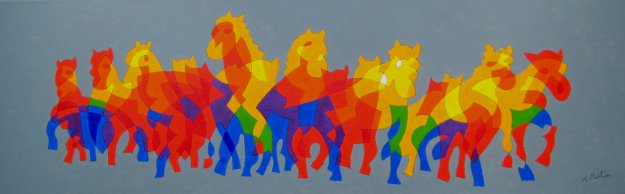
Symmetry of Broken Plastic Table Tennis Balls – in Structure, Time and Space.

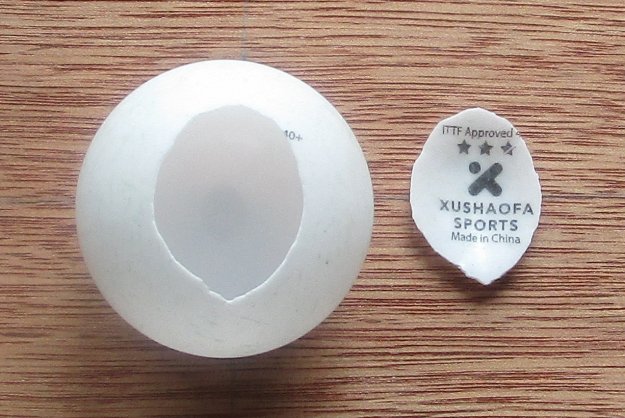
First broken Plastic table tennis ball.

First of two plastic table tennis balls broken during a match on 25 July 2017.  Manufactured by XuShaofa Sports in China, whose badge is fully shown on the separate piece .  Photo by Mick Burton, continuous line artist.

This match ball is made of plastic and my table tennis club in Leeds has used the XuShaofa ball for over two years since plastic balls were introduced internationally in place of the celluloid ball. This is my favourite type of new ball to play with and they are long lasting and I have rarely seen one break.

Last night I played a Leeds Summer League match at Moor Allerton Sports and Social Centre and the above ball was broken during a game between Kiran Babra of Leeds YMCA A and Liang Wong of Leeds Judean C team.  Kiran has an outstanding vicious forehand topspin stroke which he can play from anywhere, often from wide on his backhand side of the table.

In one point he hit the ball with the top edge of his bat and it flew up and hit the corner of the lighting casing on the ceiling.  When Liang picked up the ball from the floor it was in two pieces, as shown in the photo above.   Unlike the old celluloid balls, which had a seam around the ball, this plastic ball is seamless and so when it breaks a piece usually separates.

I noticed that the piece which came off nicely encompassed the maker’s badge, along with a dent from impact, and so I pocketed it as a natural artistic object for my collection and then produced my last new ball to continue the match.

Two points after the above incident, Kiran again went for his topspin and mishit the ball in exactly the same way and it flew up and hit the corner of the lighting casing again.  This time the ball was picked up and they played another point.  (see later note at end of this post).

Things did not seem to be quite right in this point and Michael Chang said “Can’t you see that the ball is dead”.  We looked at the ball and there was a big hole in it and a loose piece inside.  I announced that this time you could look through the hole and see the reverse of the XuShaofa badge at the opposite side.

Second broken plastic table tennis ball.

Second of two plastic table tennis balls broken during a match on 25 July 2017.   Manufactured by XuShaofa Sports in China, whose badge in reverse can be seen through the hole.  Photo by Mick Burton, continuous line artist.

Another specimen for my collection.   In fact in over two years I have only seen 2 or 3 balls XuShaofa balls break and each time commented that the broken ball was “A collector’s item”.  But these two balls are something else!  Think about the probabilities of the same mishit, followed by the same trajectory and point of impact and with the speed and distance involved resulting in the same type of break.  Think about the spin, all those revolutions per second, and the first point of impact being directly on the badge and then the impact on the second ball directly opposite that of the first.

I love symmetries, but have difficulty in working out what this is.  A piece of ball with the full badge on it and a similar hole in the other ball where you can look through and see the reverse of the badge on the other side.  Is that a reflection, a transformation, anti-symmetrical, or what?

Regarding probabilities, there is probably more chance that I will post pictures of symmetrical and anti-symmetrical prime numbers on this web site than the above happening again.

Just to put the old celluloid balls to bed, XuShaofa themselves welcomed the decision to ban them saying that “celluloid is flammable and has killed countless factory workers in China from fast-spreading fires”.  I have long known of this flammable nature and have often used broken celluloid balls as fire lighters at home.

If you would like to know what was in use before celluloid balls were introduced in 1901, one original choice was the ball shape cut from champagne corks which were hit around on dining tables with cigar box lids.   No surprise that Boris Johnson could refer to “Whiff  Whaff” when welcoming the 2012 Olympics to London.

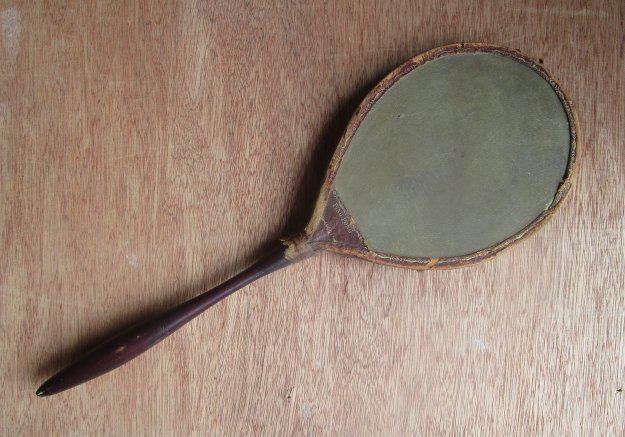
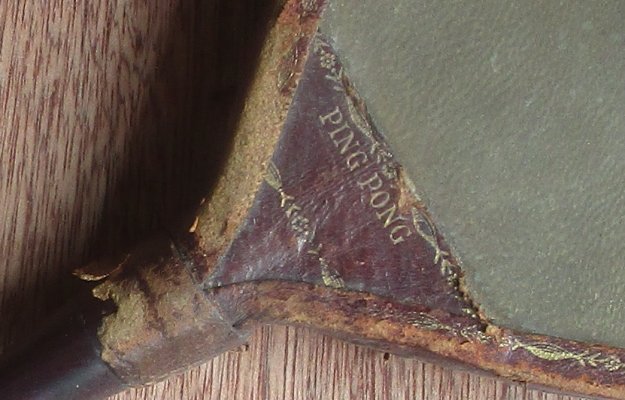
Subsequently, Battledore bats were manufactured from around 1890.  These had parchment paper stretched around a frame and I am lucky to have one circa 1903, see below.  It has “PING PONG” stamped on it, which was in general use before  J. Jaques & Sons Ltd registered the name as a copyright in 1901.  

IMG_1905 - Battledore circa 1903

Table Tennis battledore, parchment paper stretched around a frame, stamped “PING PONG” circa 1903.  Photo Mick Burton, continuous line artist.

IMG_1905 - Ping Pong

“PING PONG” stamped on Table Tennis battledore, circa 1903.   Photo Mick Burton, continuous line artist.

Pimpled rubber was first used on bats in 1903.  Mr E. C. Goode from London was in his local chemist’s when he saw a pimpled rubber mat on the counter.  He purchased it and stuck it to his plain wood table tennis bat and found it produced fast spin on the ball.  He became Champion of England and others copied his idea.

I have never used my battledore for fear that a modern ball, such as XuShaofa, might burst through the parchment.   I don’t want a ball shaped hole in that !

NOTE ADDED on 15.6.2018.  A couple of days ago I bumped into Kiran, who had broken these two balls, and he had heard that he was on my website and I told him where to find the post.  I re-read it myself and realised that things had moved on since I wrote the post.

Kiran became well known after that for breaking balls in most matches that he played in. His topspin action is extreme in that the bat travels very fast past the ball, hardly touching it, and a slight error can mean the ball hits the top of the bat and smashes.  My original assumption that the ball hitting the light casing after Kiran hit the ball was incorrect.

Other players are also finding this happens to them.  In fact a player did it twice in a match I played in this week, and Kiran said that he had done it five times in practice the night before I spoke to him.  I would rather not say how much a ball costs!


“Vortex” by David Kilpatrick. Single Continuous Line and Alternate Overdraw colouring.

Vortex, David Kilpatrick. flat,1000x1000,075,f.u1

“Vortex” by David Kilpatrick, artist from Atherton, Australia.   Single Continuous Line using the Alternate Overdraw method to allocate colours.   March 2017.   Mick Burton blog.

I have been exchanging ideas with David Kilpatrick recently and he has agreed to let me put some of his pictures in my blog.  “Vortex” stands out to me, as I have been a fan of Vorticism for many years.  He has used Alternate Overdraw to allocate colours in sequence and it has worked well.

David’s design gives the impression of a sheet of plastic, coloured green on one side and red on the other, and each twist showing the other side.  With overlaps you get darker greens or darker reds.  Four internal areas let the background shine through.  The whole thing is very natural, including David’s own style of patchy colour radiating outwards.

Next is David’s “Knight’s Tour” which he is still working on.

David Kilpatrick knights tour. image011

“Knights Tour” by David Kilpatrick, artist from Atherton, Australia.   Single Continuous Line based upon moves of a knight and using Alternate Overdraw to allocate colour sequence.   April 2017.  Mick Burton blog.

I did a Single Continuous Line “Knight’s Moves on a Chessboard” in 1973 (see Gallery 1965-74) with the intention of colouring it, but never tackled it properly.  One of the problems was the number of fiddly small areas.  It led to my “Knight’s Tour Fragments” instead (see my previous post on 16.2.2017).

But now we have GIMP!  David said that he used this to move the lines about on his “Knight’s Tour”.  I googled GIMP and it means “GNU Image Manipulation Program”.  Some areas are still fairly small but he has produced a vibrant structure.

David says that these are trial colours (I presume from GIMP) and he intends to work out an improved scale of colours in his own style.

However, the colours shown already demonstrate the natural balance inherent in the Alternate Overdraw colour allocation.  The composition suggests to me an island with yellow “beaches” as well as reds within opposite “volcanic” zones.

There is a choice regarding background, which would naturally be the same colour as the light blue internal areas and result in a surrounding “sea”, or it could be left white as shown above.

I look forward to seeing the final version, which I am sure will be another splendid example of Vorticism.

Another picture that caught my eye was his “The Pram” which is based on a magic rectangle.

“The Pram” by artist David Kilpatrick, from Atherton, Australia.   Based on a Magic Rectangle. 2015.    Mick Burton blog.

This pram picture has lots of line ends in it and makes me want to attempt one myself using a Continuous Line animal.  Such a design would make you want to connect up so many loose ends.  My Spherical pictures already do this to an extent, as I take a line out of the picture at one side and bring it back in at the corresponding opposite side.

I think that David chose the positions of the displaced squares in a sort of random way.  Maybe I would want to be confident that I could move them around, in the way you could on the movable squares game of my childhood, and get back to the actual original picture.

You can see much more of the art of David Kilpatrick on

https://www.redbubble.com/people/fnqkid

Nessie the cockapoo visits Gledhow Valley

img_0485

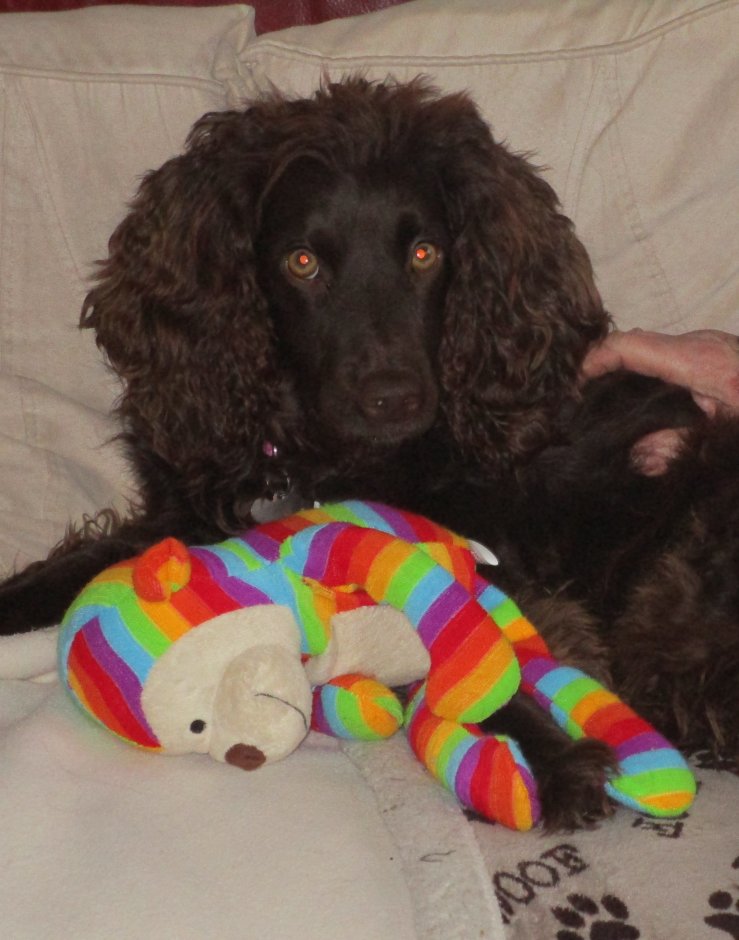
Nessie the cockapoo arrives with a favourite toy. How did she know my favourite colour range. Mick Burton, continuous line artist.

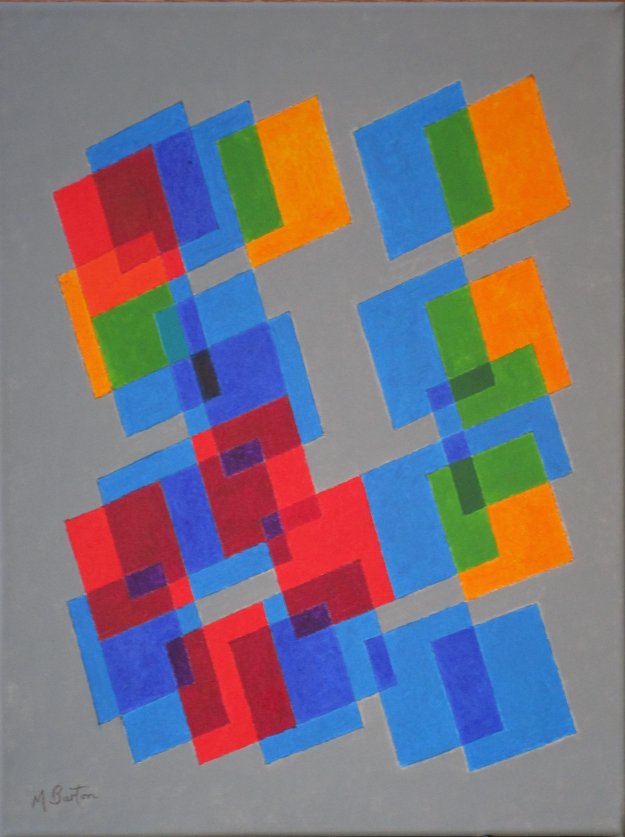
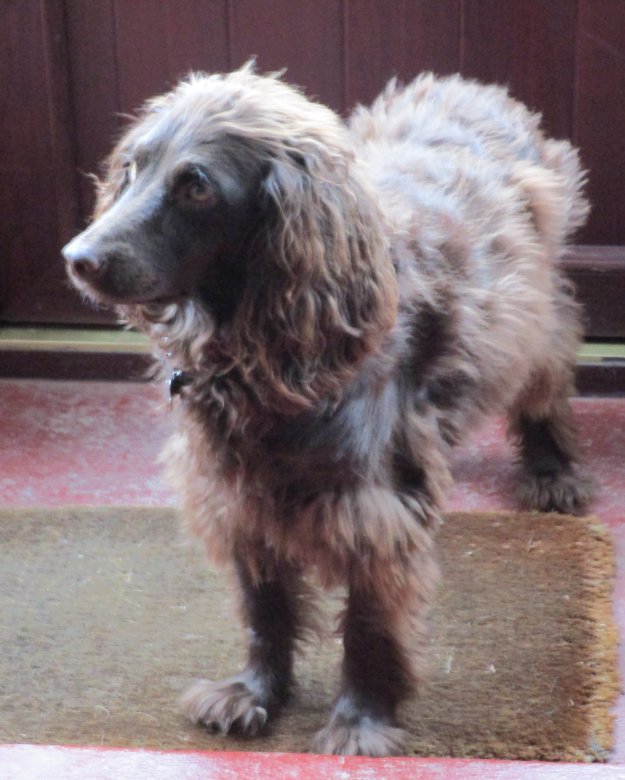
Nessie the cockapoo has come to stay for a week whilst Helen and Janet are in California.  She arrived waving one of her favourite toys, which just happens to have a range of colours similar to those in a recent painting of mine.

img_0224

“Knight’s Tour Fragments”, acrylic on canvas. Exhibited at Harrogate and Nidderdale Art Club Exhibition in November 2016. Mick Burton, continuous line artist.

Nessie is two and a half and lives in a village in Worcestershire in a house almost surrounded by common land.  Strangely, there are no cats in the village and no squirrels (although several years ago one appeared in the garden the day we arrived for a visit, and it was suggested that it had been a stowaway in our car).  Hens roam free in the garden – so where are the foxes?  No greater spotted woodpeckers, they are all green.

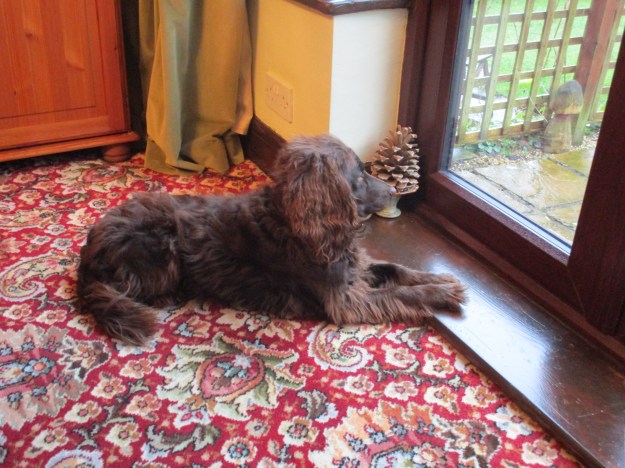
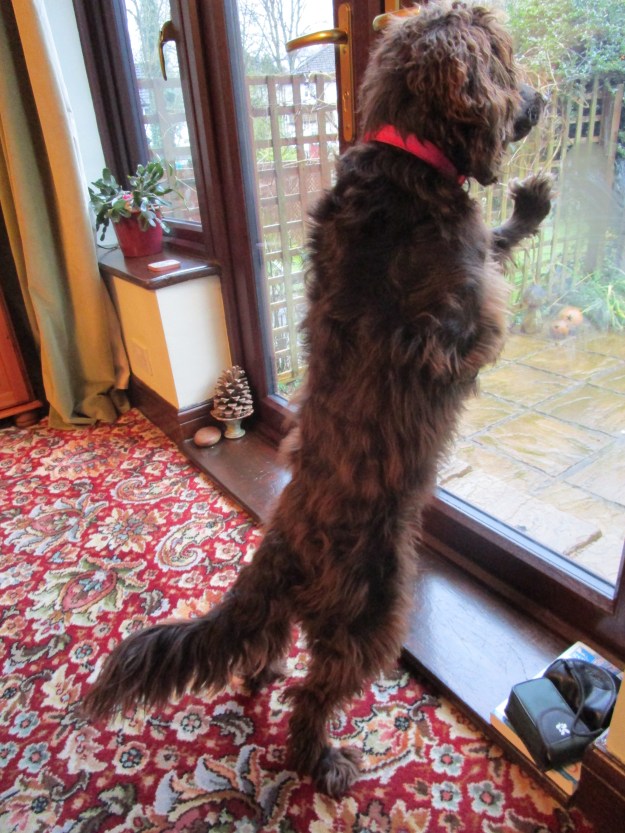
Nessie’s favourite spot in our house is by the French Windows at the back.  She watches the birds and squirrels endlessly, and it is good to lie down on the job.

img_0510

Nessie, the cockapoo, watching birds and squirrels. Why not take it easy?   Mick Burton, continuous line artist.

But Nessie is not used to seeing cats, and we have plenty of those.  Suddenly we hear barking and scraping at the window.

img_0519

Nessie spots a cat and all hell breaks loose.  Mick Burton, continuous line artist.

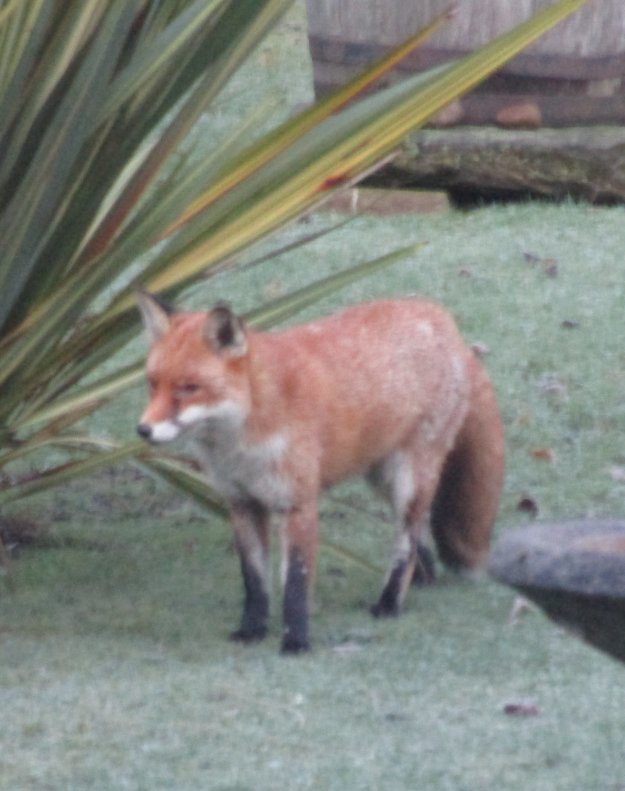
Hopefully one of the foxes will turn up whilst Nessie is here.  We often see one or more during the day, and we even had one on the garage roof marking its territory.  Here is a photo of one in the garden in late January 2017.

img_0334

A Gledhow Valley fox in the garden in January 2017.  Mick Burton, continuous line artist.

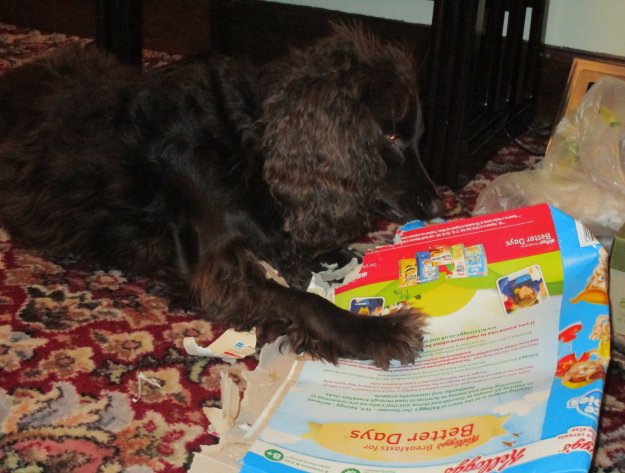
Nessie eats sensibly and feels that there my be more nurishment in the cardboard box than in the breakfast cereals themselves.

img_0498

Nessie tucking in to a cardboard box which had contained breakfast cereals.  Mick Burton, continuous line artist.
Of course the highlight of each day for Nessie is the walk through Gledhow Valley Woods to the lake.

img_0551

Nessie, the cockapoo, can’t wait to go to Gledhow Valley Woods, and the lake, with Joan and me.  Mick Burton, continuous line artist.

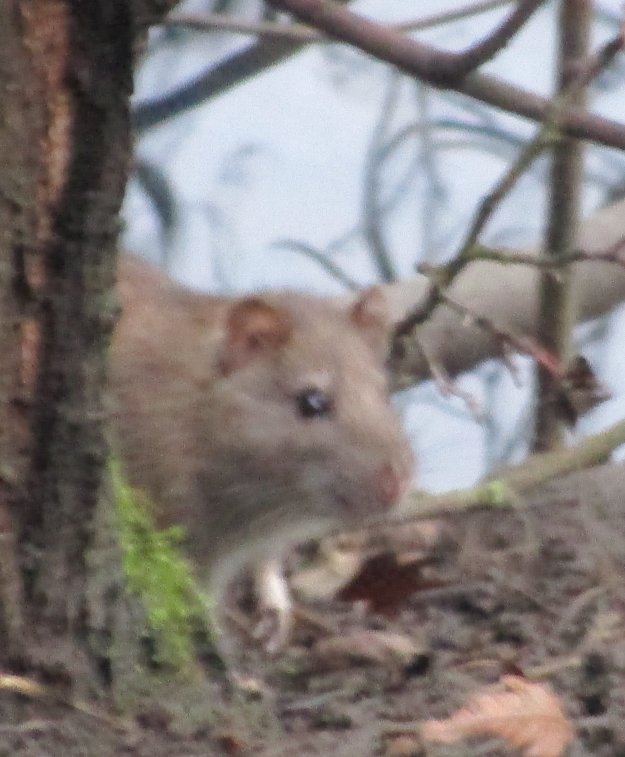
We are used to seeing the odd rat scamper across the path by the lake, as well as seeing how well they swim.  One rat dashing across suddenly realised that Nessie was passing and took off, missing Nessie’s nose by a whisker.  I am not good at taking photos of flying rats, so here is one nearby wondering what is going on.

img_0389

A rat peeping from behind a tree on the banks of Gledhow Valley Lake.  Mick Burton, continuous line artist.
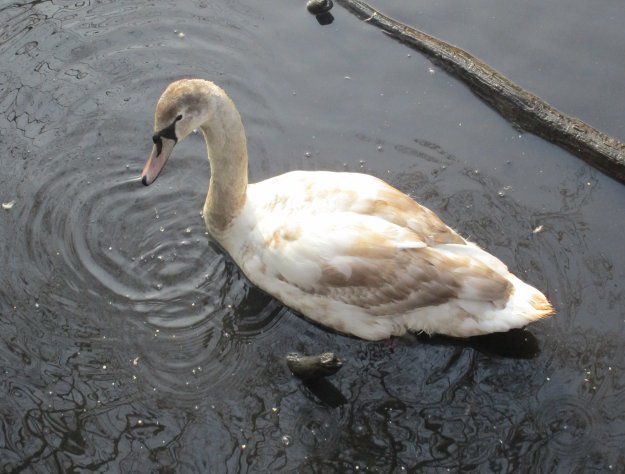
Twenty ducks who were sitting on the bank and the path fly off when they see Nessie, and Joan has brought some oats to feed to the Swan.  There is only one swan left at the lake just now and it is still in its first year.

img_0536

Young swan, now living alone on Gledhow Valley Lake.  Mick Burton, continuous line artist.
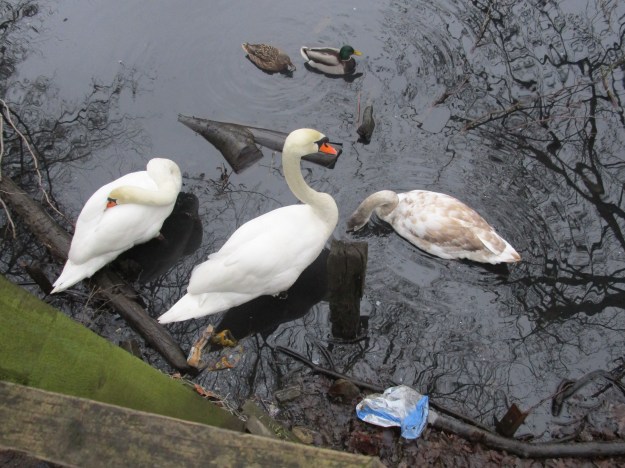
We have been concerned for some months about the swans, particularly since the water level dropped after a digger cleared rubbish from the dam end. Large areas of silt have been on view where the swans nest.  Here are the adults and one youngster in late January 2017.

img_0358

Family of swans on Gledhow Valley Lake. Photo taken in late January 2017 before the adults abandoned the lake.  I hope the swans did not have to pull bread slices from this wrapper themselves.   Mick Burton, continuous line artist.

At the time of this photo, showing the two adults and the above young swan in late January 2017, the second youngster had been ostracized and was sitting in a corner of the lake.  When we were litter picking this Sunday on the monthly action day with Friends of Gledhow Valley Woods, they told us that soon after the photo foxes killed this young bird and then the adults left the lake.  One adult was found wandering in the Harehills area and the RSPCA took it to Roundhay Park lake.  A lady told us that the other adult was walking past her house in Oakwood, presumably heading for Roundhay Park lake too.  So we hope that things work out well for the adults at Roundhay and our young  survivor here in Gledhow.

img_0541

Nessie spots a cat she has not seen before. Henry adopts defensive mode.  Mick Burton, continuous line artist, Leeds.

On the way home from the lake, Nessie confronted a cat.  This is Henry and he stood sideways and seemed to double in size.  Nessie was on her lead, which was probable just as well for Nessie.

img_0543-copy

Henry the marmalade cat from Gledhow Valley.  Dogs beware.   Mick Burton, continuous line artist.

Anna and Emma, the children next door, went to the woods with Nessie today and had been looking forward to it for days.  Nessie gets on well with everyone.

She has enjoyed her holiday in Gledhow Valley and we are taking her back to the land of green woodpeckers.

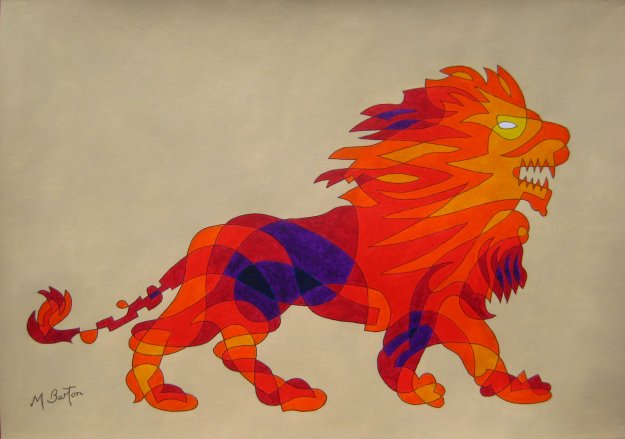
Leeds Olympic Lion, a new single continuous line painting by Mick Burton.

Leeds Olympic Lion.   Mick Burton

Leeds Olympic Lion, coloured in many shades of red, white and blue to commemorate all the Leeds based athletes and swimmers who brought back medals from the Rio Olympics, 2016.  Mick Burton single continuous line drawing with colour sequence.

I did a demonstration at Farsley Art Group on 12 July 2016 and the continuous line drawing I used as an example was the basis for the above painting. The Group showed a lot of interest and produced many fine attempts at continuous line during my workshop. The club kindly featured me on their website, showing some of my drawings as well as work by members.  I gave them a free hand to put their own stamp on their continuous lines so we had some great variations.

Joan, my partner, watched many swimming and diving events on the TV during the Olympics broadcasts.  She worked at the Leeds International Pool and the new John Charles Centre, in various swimming organising roles, before she retired in 2012 and was delighted with the results of the Leeds members of the Great Britain team and their coaches.

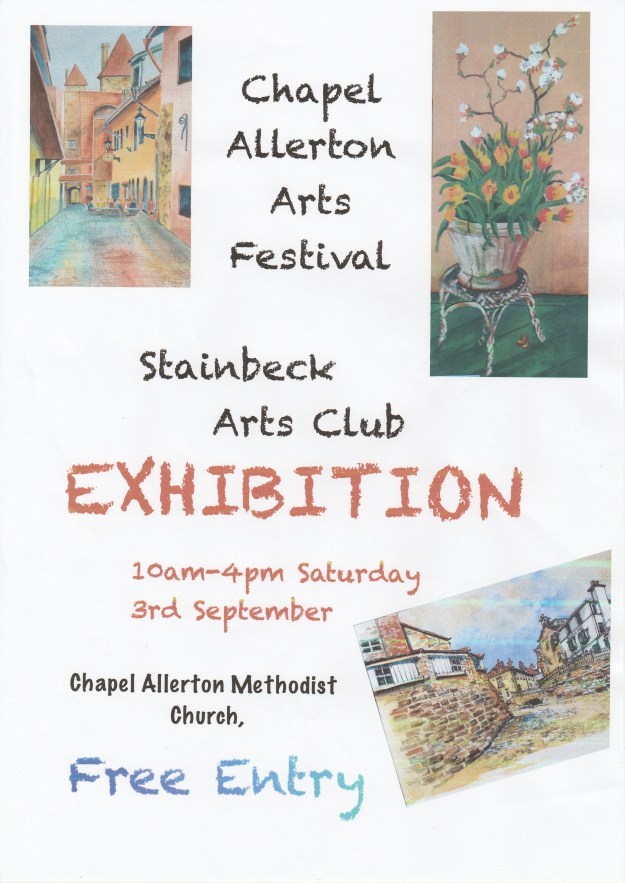
As the athletes all had the red, white and blue lion on their track suits I felt I had to colour my Lion in a range of similar colours and call it the Leeds Olympic Lion.  The painting will be exhibited in the Stainbeck Arts Club Annual Exhibition on Saturday 3 September 2016.  The exhibition is part of the Chapel Allerton Arts Festival taking place in north Leeds this week.Stainbeck Arts Club Poster

Joan’s daughter, Helen Frank, represented Great Britain in the 100 metres breast stroke in the Seoul Olympics in 1988 and was one of five swimmers from Leeds.  Adrian Moorhouse won a swimming gold medal, in the 100 metres breastroke, in 1988.  A gold by a British swimmer was not achieved again by a  British swimmer until 2016.

Leeds Olympic Swimmers at Seoul 1988

Helen brought back a commemorative plate from Seoul, which is part of Joan’s collection of Olympic Plates.

Seoul 1988 Olympics plate


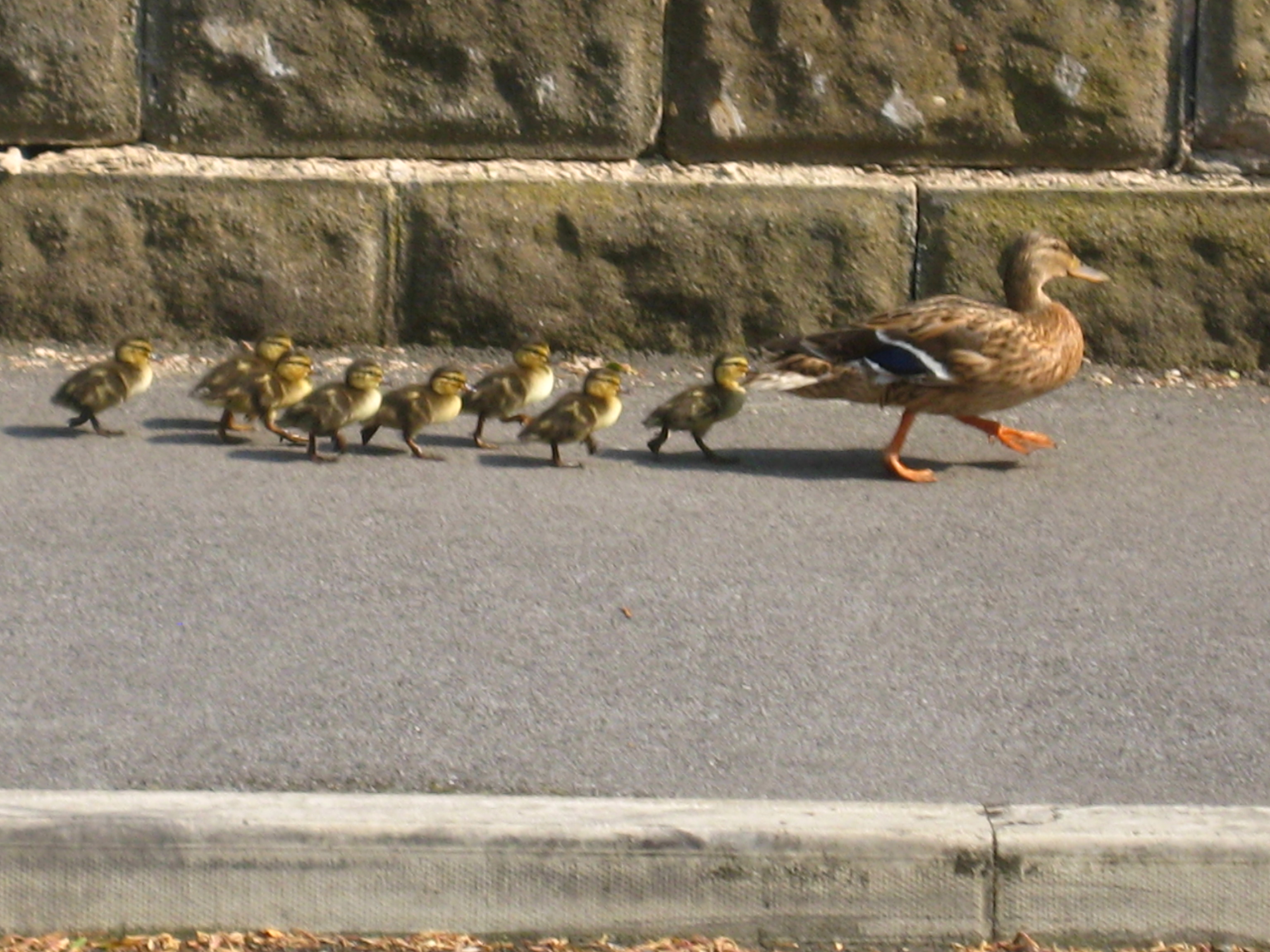
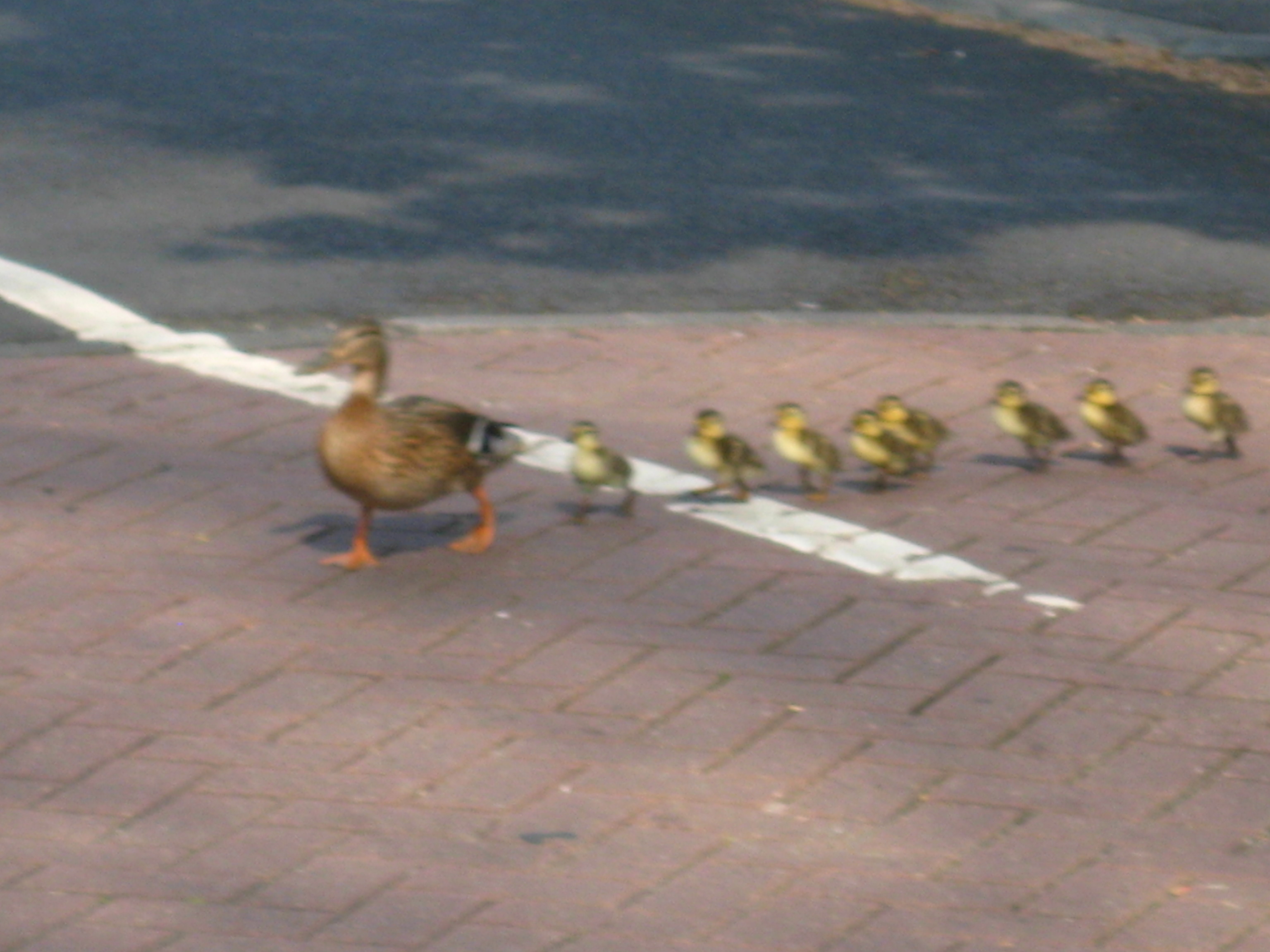
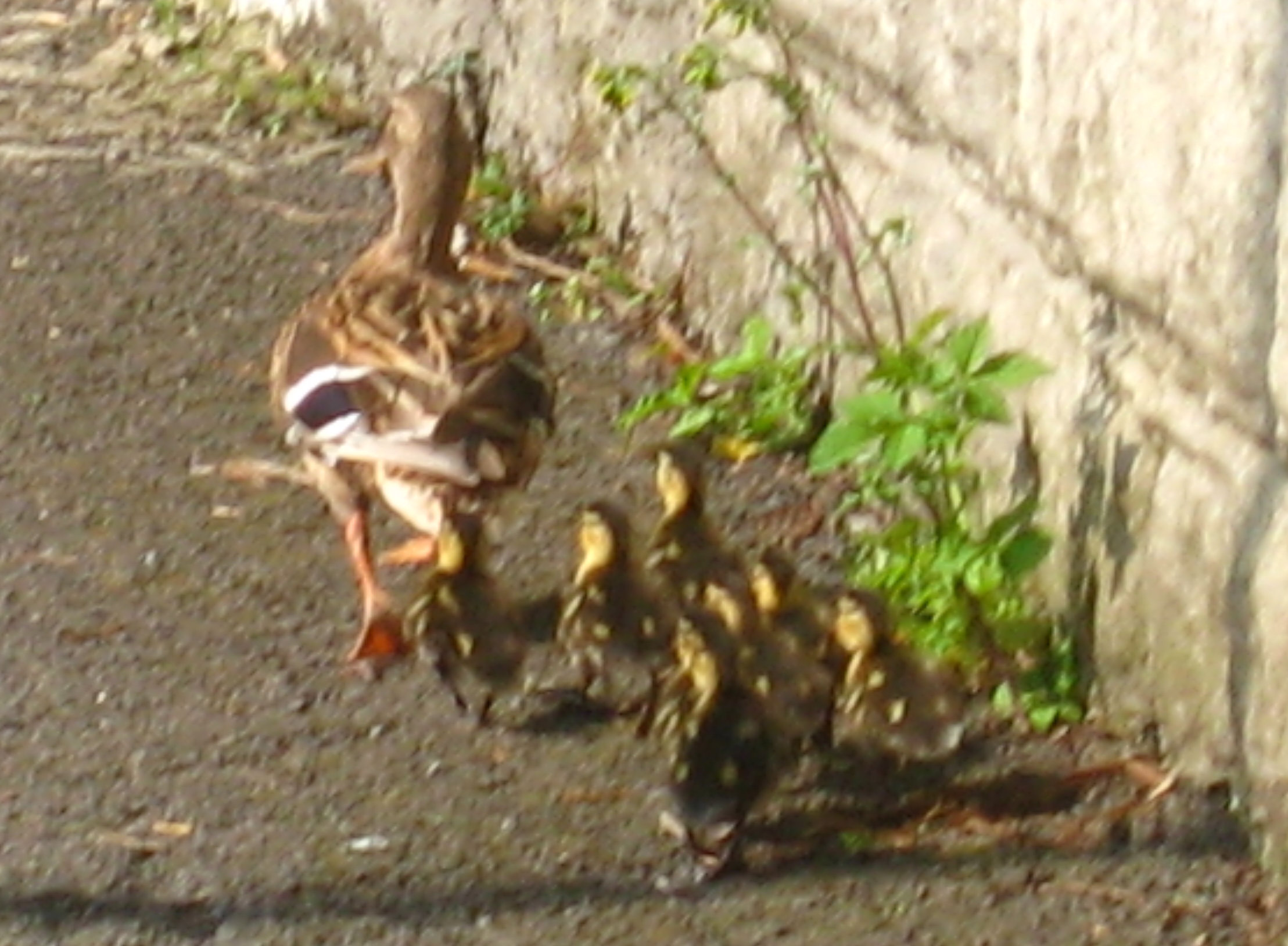
Mallard steams by towing eight ducklings in a continuous line.

Mallard steams by towing eight ducklings in a continuous line. Photo Mick Burton, 7.8.2016, Well House Drive, Gledhow Valley, Leeds.

Mallard steams by towing eight ducklings in a continuous line. Photo Mick Burton, 7.5.2016, Well House Drive, Gledhow Valley, Leeds.

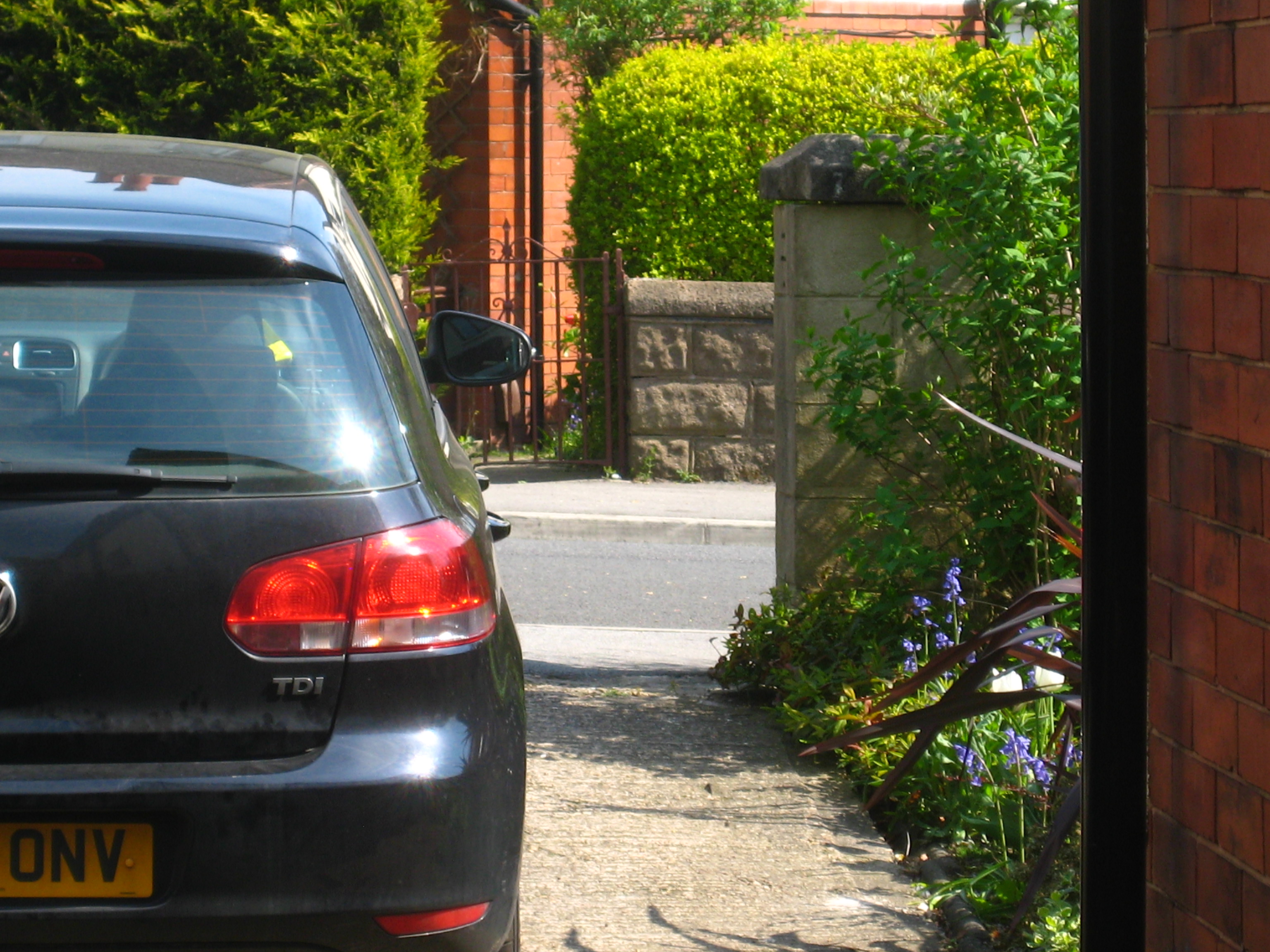
After a couple of hours digging rocks and roots in the back garden, I emptied the roots into the brown bin and glanced towards the road at the front. There was a gap between the car and the gate post and I glimpsed a line of ducklings going by on the other side of the road.  What were the chances of that happening?

View across the road where a line of ducklings went by. Photo Mick Burton, continuous line artist,7.5.16.

View across the road where a line of ducklings went by. Photo Mick Burton, continuous line artist,7.5.16.

I rushed inside the house for my camera and ran to catch up with the female Mallard mother marching down the road with her brood in tow.  There were some kids in gardens not yet aware and cars going up and down the road.  I took the photo which appears at the top of this post.

But what was this Mallard mother doing coming down our road with her ducklings, when I knew of no streams or ponds in the streets higher up?

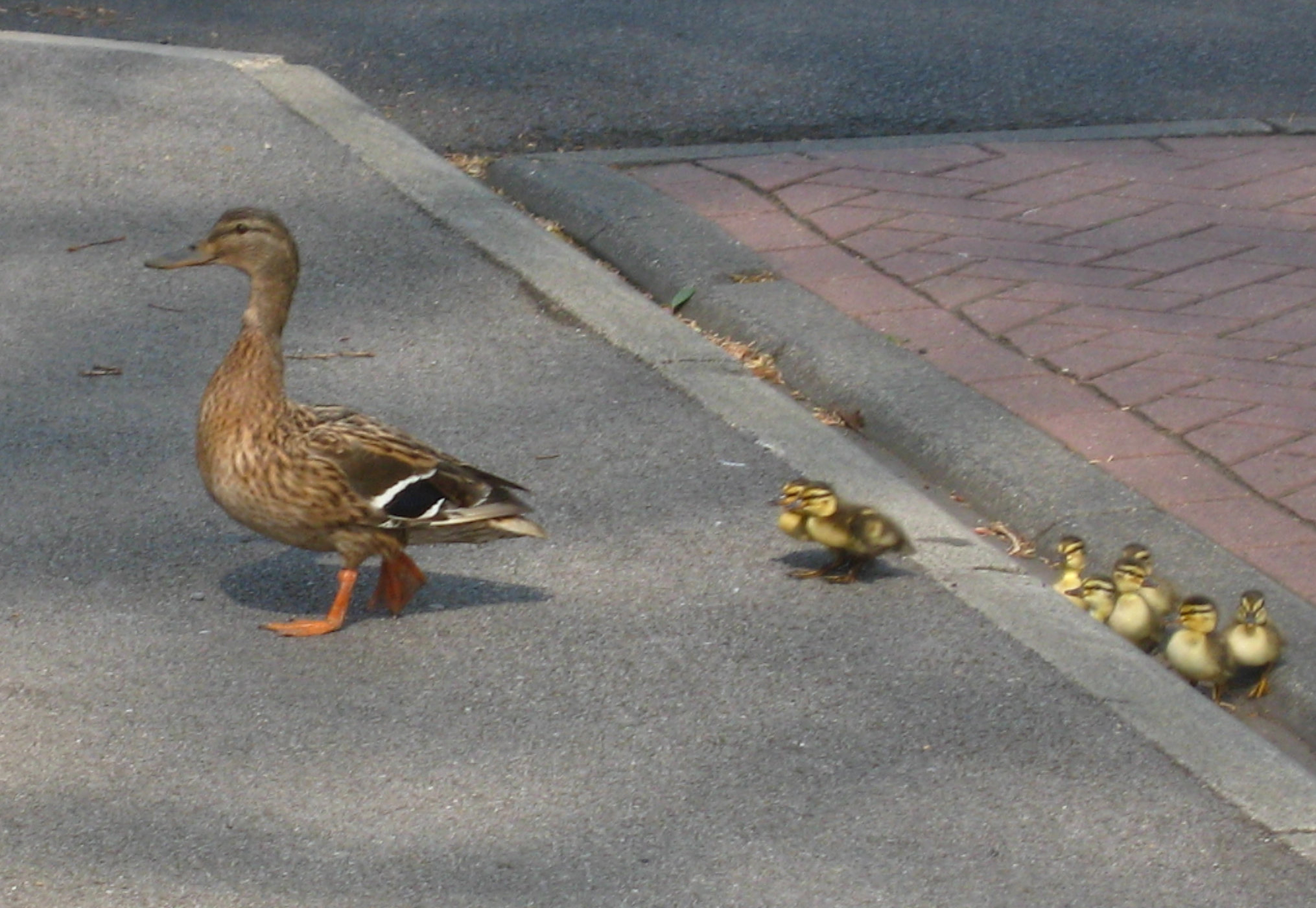
Anyway, I knew where she was likely to be going.  If she turned right at the bottom of the road she was on Gledhow Valley Road and the houses along there all had the Gledhow Beck flowing through their gardens.  She started to move out towards the curb to assess when to cross the road.

Mallard mum starting to move out towards the curb. Photo Mick Burton, continuous line artist.
Mallard mum starting to move out towards the curb. Photo Mick Burton, continuous line artist.
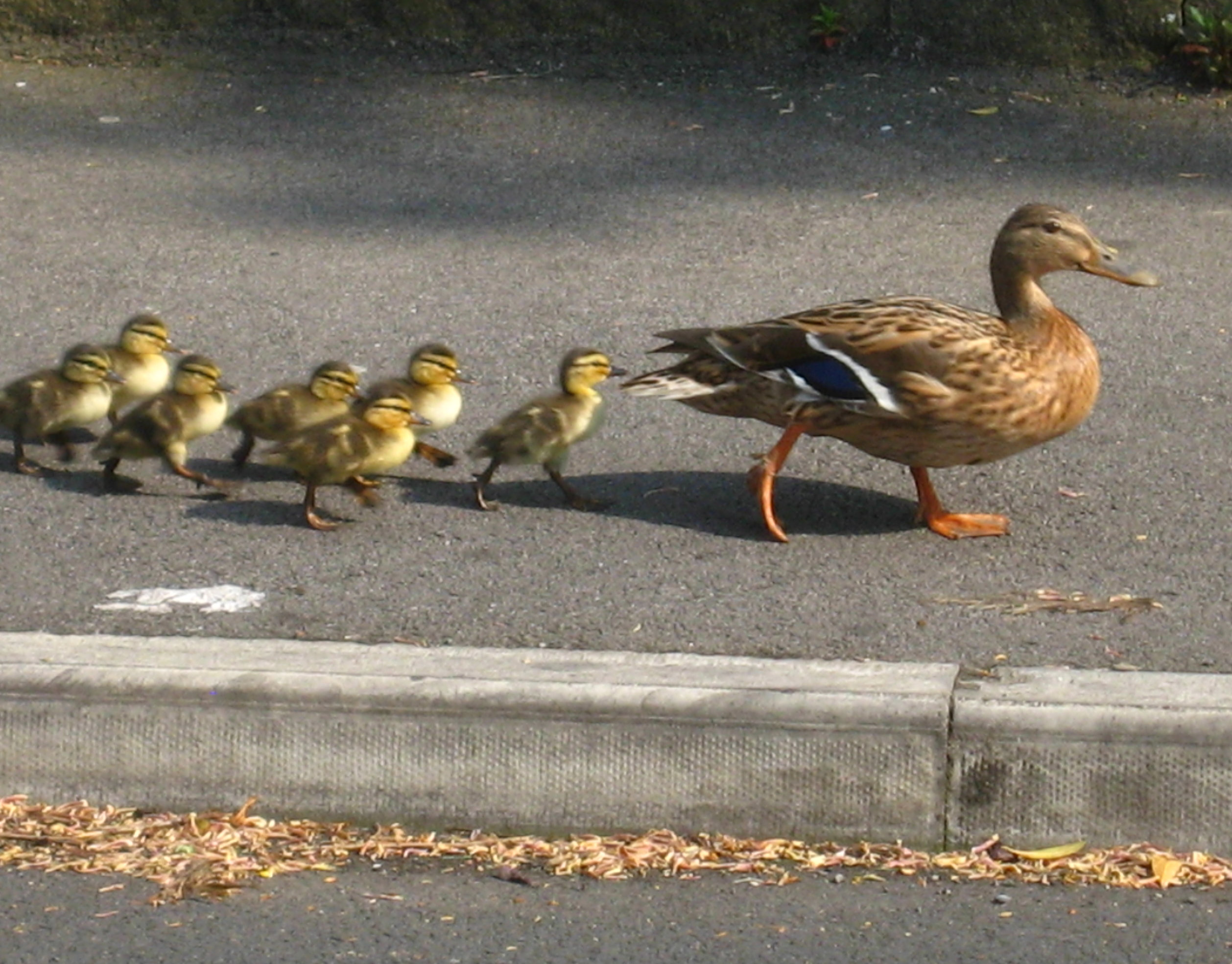
I took another closer view of the bird as she headed along parallel to the curb.  There is an eighth duckling just out of shot at the back.

Closer view of female Mallard with seven ducklings in the picture. Photo Mick Burton, continuous line artist, 7.5.16, Gledhow Valley.

Closer view of female Mallard with seven ducklings in the picture. Photo Mick Burton, continuous line artist, 7.5.16, Gledhow Valley.

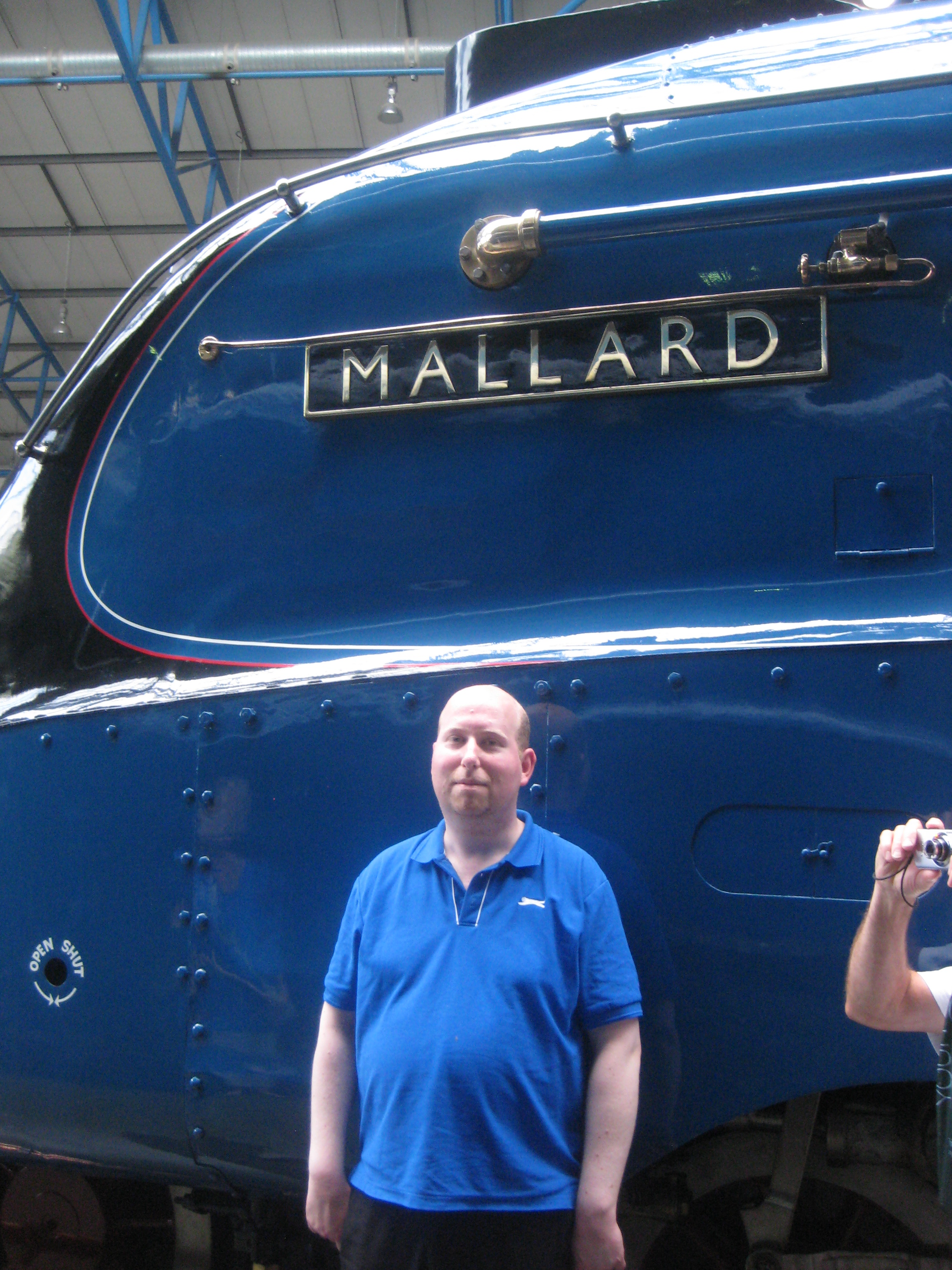
Looking at these photos reminds me of my  train spotting days as a youth when I saw the  A4 pacific steam engine “Mallard” at speed pulling many carriages.  No wonder they decided to name the fastest ever steam locomotive after such a sleek bird.  Here is a photo I took of the “Mallard” steam engine at the National Railway Museum in York three years ago, along with my son Matthew.

Mallard, the fastest ever steam engine, at York National Railway Museum along with my son Matthew. Photo Mick Burton, continuous line artist.
Mallard, the fastest ever steam engine, at York National Railway Museum along with Matthew Burton.  Photo Mick Burton, continuous line artist.
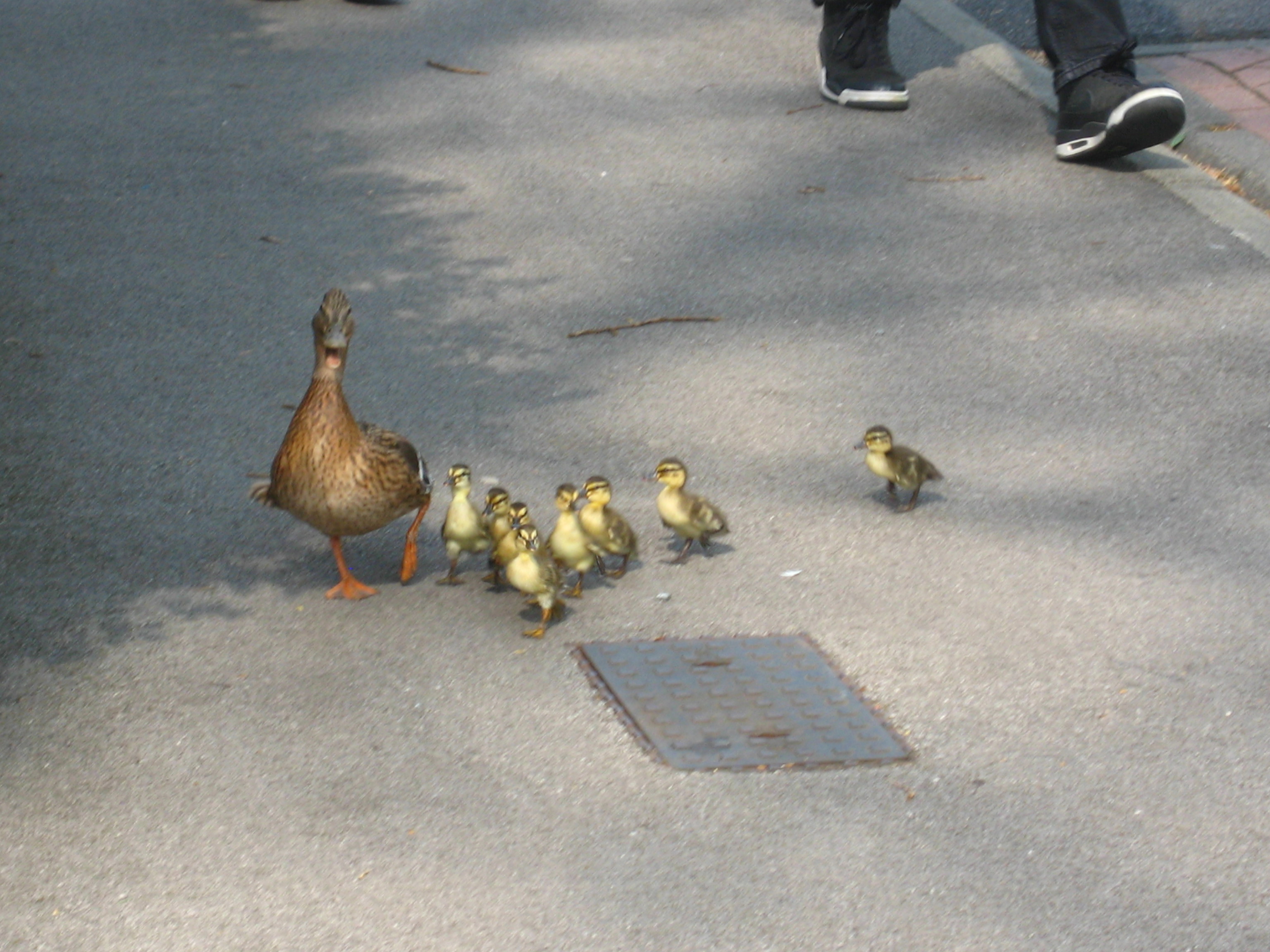
Now back to the ducks and the dangerous task of crossing the road.  The road seemed clear so Mum decided to cross.  A car was signalling to turn left into our road and I flagged it down just as it was turning, which gave me little time to get a photo of the ducks in the middle of the road.  The result was a bit shaky.

Mallard Mum and eight ducklings crossing the road in front of a waiting car in Gledhow Valley. Photo Mick Burton, continuous line artist.
Mallard Mum and eight ducklings crossing the road in front of a waiting car in Gledhow Valley. Photo Mick Burton, continuous line artist.
When you are a very small duckling it’s not easy to mount a pavement you can’t really see over, and there’s not much sympathy from Mum.

Ducklings struggle to mount a pavement higher than they are. Photo Mick Burton, continuous line artist.
Ducklings struggle to mount a pavement higher than they are. Photo Mick Burton, continuous line artist.
Pause to regroup and a crowd of kids is starting to gather.

Ducklings regroup on the pavement after mounting to kerb. Photo Mick Burton, continuous line artist.
Ducklings regroup on the pavement after mounting to kerb. Photo Mick Burton, continuous line artist.
The worst is over and the female Mallard turns right into Gledhow Valley Road.

Mallard and ducklings turn right into Gledhow Valley. Photo Mick Burton, continuous line artist.
Mallard and ducklings turn right into Gledhow Valley. Photo Mick Burton, continuous line artist.

The Mallard Mum and her train of ducklings can speed up as they enter the home straight.  I am sure now that they will turn right into a drive soon.

The train of Mallard ducklings speed up as they enter the home straight. Photo Mick Burton, continuous line artist.

The train of Mallard ducklings speed up as they enter the home straight. Photo Mick Burton, continuous line artist.
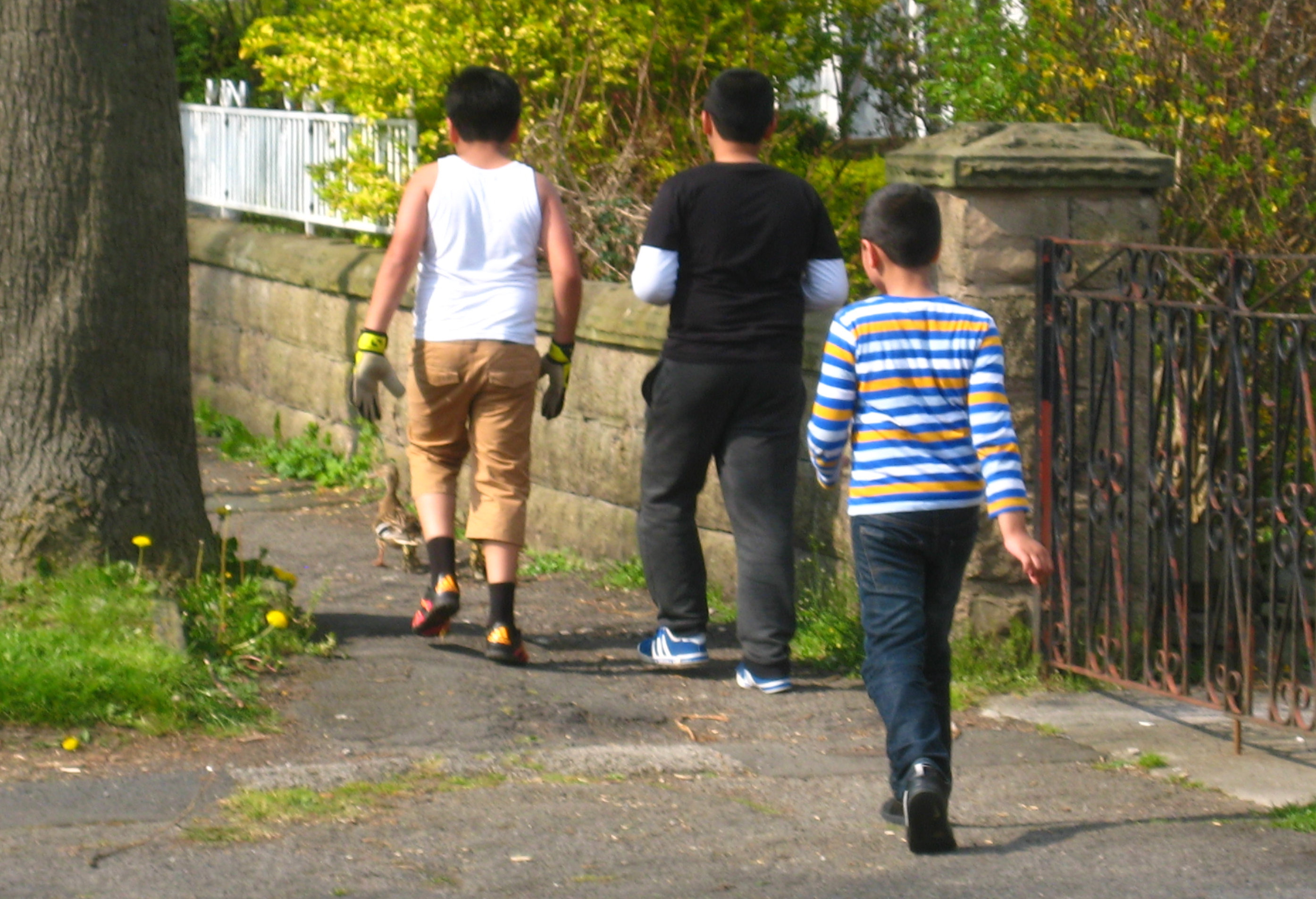
The crowd of kids is becoming a bit intrusive and I ask them to keep their distance, but without much effect.

Kids arriving from all directions are beginning to crowd the ducks. Photo Mick Burton, continuous line artist.
Kids arriving from all directions are beginning to crowd the ducks. Photo Mick Burton, continuous line artist.

The Mallard Mum’s preferred garden is a bit further along I think, but she decides that she will turn into this drive anyway to escape the kids and go down to the stream.

The Mallard and her brood turn down a drive to escape the kids and to head for their stream. Photo Mick Burton, continuous line artist.

The Mallard and her brood turn down a drive to escape the kids and to head for their stream. Photo Mick Burton, continuous line artist.
Just another incident with wildlife in the valley.  Not long ago Joan and I helped a family of swans to cross Gledhow Valley Road, whilst policemen held up traffic from both directions, but that’s a story for another day.

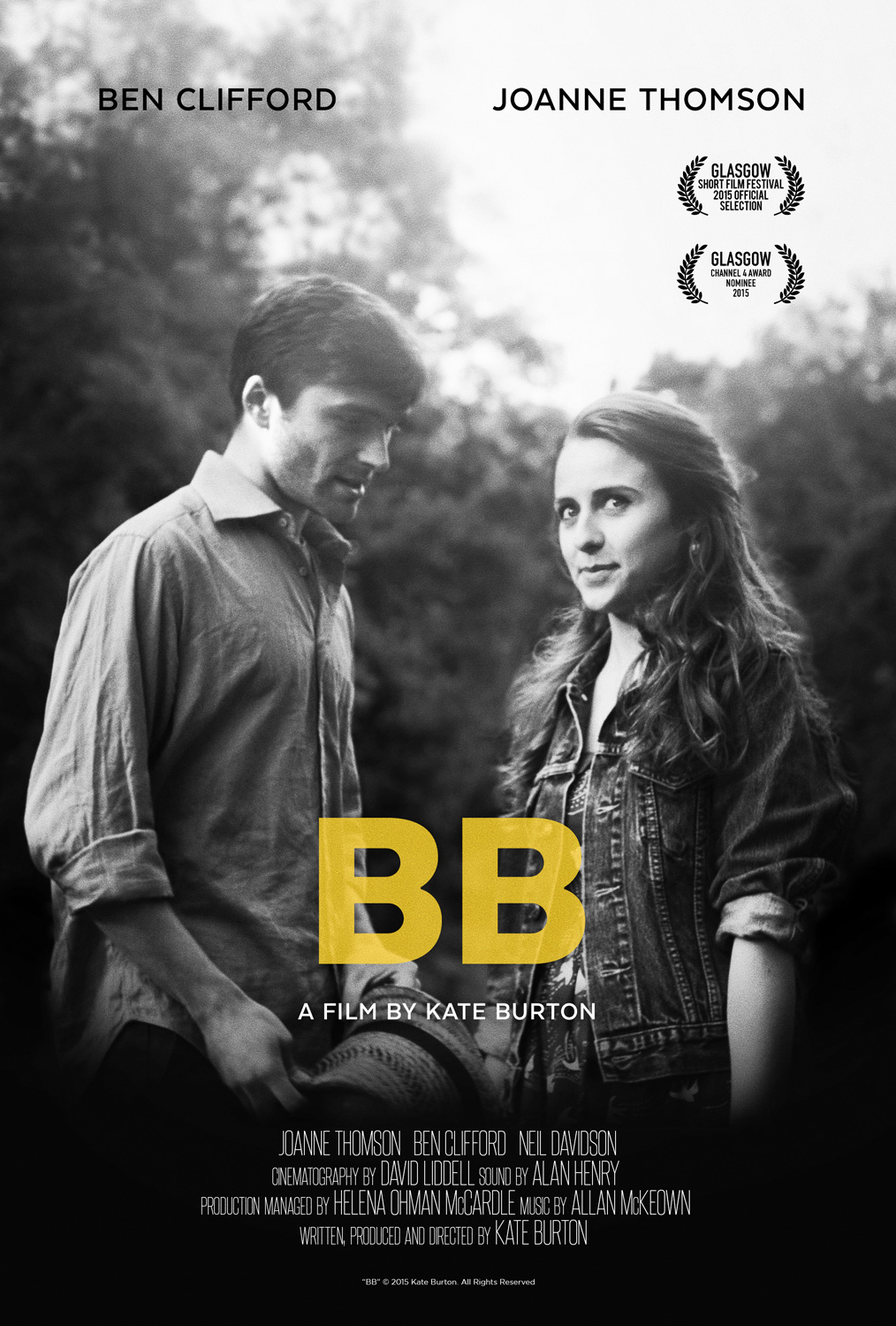
“BB” by Kate Burton, Glasgow filmmaker, at London Short Film Festival.

BB-poster-online

Poster For ‘BB’ Written and Directed by Kate Burton. Poster Design by Jen Davies

My daughter Kate has recently attended the London Short Film Festival where her latest film “BB” is showing.  The film was also selected by the Glasgow Short Film Festival and the Inverness Film Festival, and was nominated for Channel 4 innovation in storytelling award 2015.

The action starts with a bee buzzing around, the synopsis  reads “When Anna discovers an unwelcome intruder in her home she enlists the help of her mild mannered neighbour.  Frank enters into Anna’s strange and chaotic world and finds himself well removed from his comfort zone.  Amusingly awkward social challenges follow and an unlikely relationship is formed.”

The film was shot in Kate’s previous flat in Glasgow, and in the local area.  She was determined to make the film before she left.

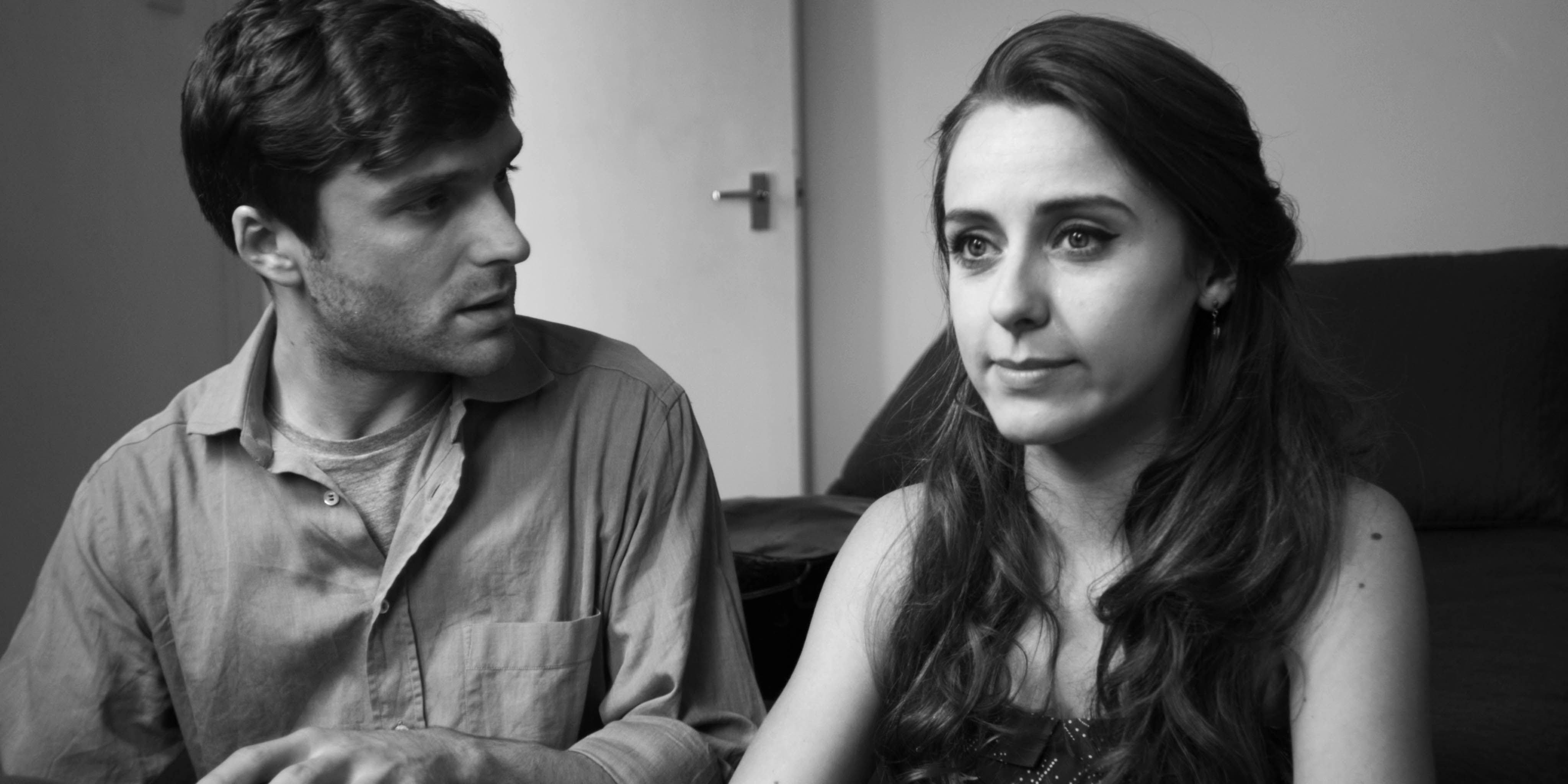
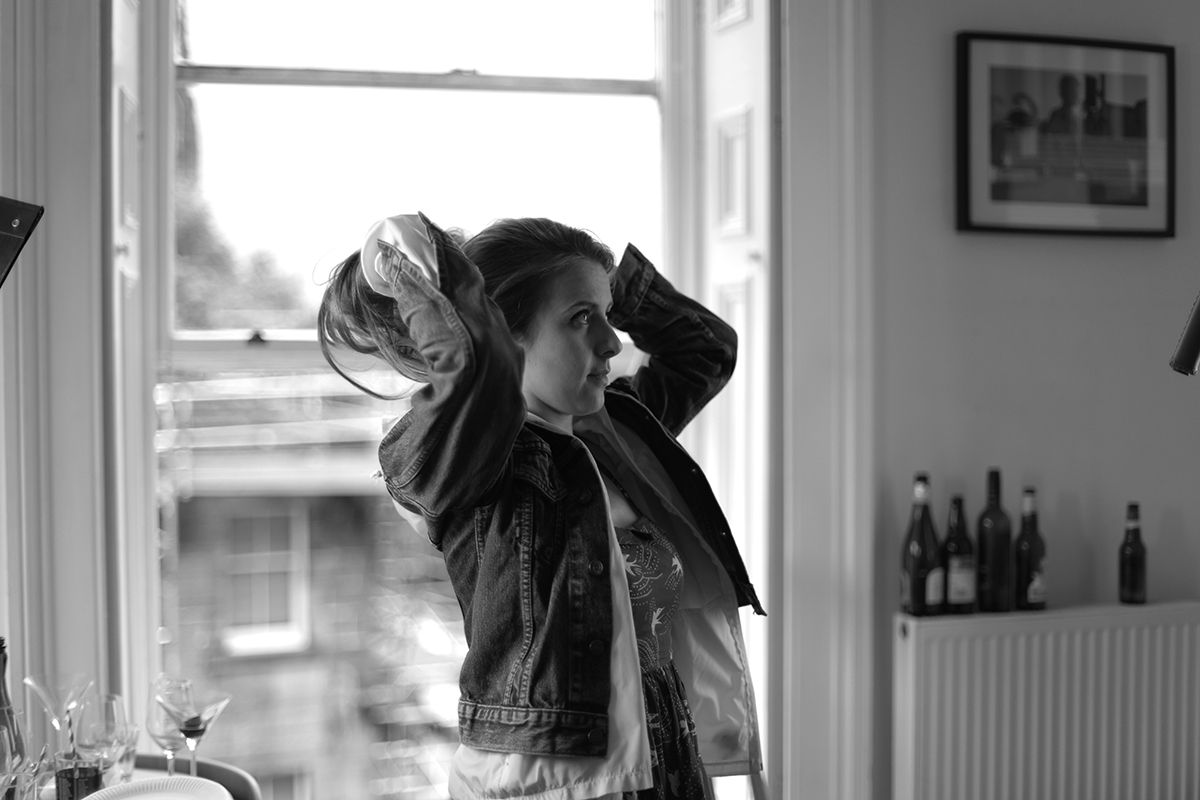
Joanne Thomson in the Kate's flat, featured in "BB", short film by Kate Burton, Glasgow, 2015..

Joanne Thomson in Kate’s flat, featured in “BB”, short film by Kate Burton, Glasgow filmmaker, 2015. Photograph by Helena Ohman

I asked Kate to give me the background to the film. 

“At the time I wrote the script I was living in a small one bedroom flat in a Victorian townhouse conversion in the west end of Glasgow.  The ceilings were high and there was a split level mezzanine where I worked and completed the script.

There was a huge rose garden opposite the flat and in the summer confused bumble bees would fly inside my flat and roll up into fuzzy balls on my window ledge.  This and many other elements of my surrounding environment fed into the content of the script.”

Kate Burton watches as David Liddell and Helen Ohman McCardle take a close up for "BB", a film by Kate Burton, Glasgow.

Kate Burton director, David Liddell cinematographer and Hannah Kelso assistant camera on the set of  “BB”, a film by Kate Burton, Glasgow. Photograph by Helena Ohman

“I knew the characters very well after a lengthy development time, but the story for the short came relatively fast and after two months writing, in between filmmaking jobs, I was finally ready to let other people read it.

‘BB’ is a character driven story capturing the awkwardness of first attractions.  It takes place mainly in one location.  I wanted the cinematography and style to reflect the simplicity of the story and I decided that I wanted to shoot in black and white to give a heightened feel, emphasising the unique lines of the interior space.  I was interested in long duration takes and capturing physical and theatrical comedy within the frame.  Some of my research references were Woody Allen’s ‘Annie Hall’ and ‘Manhattan’, ‘Breakfast at Tiffany’s’ by Blake Edwards and ‘Francis Ha’ by Noah Baumbach.”

Kate04

Kate Burton, writer/director, on set of ‘BB’ 2015.

Ben Clifford and Joanne Thomson in "BB", as short film by Kate Burton, Glasgow, 2015.

Ben Clifford and Joanne Thomson in “BB”, by Kate Burton, Glasgow filmmaker, 2015. Still from film. 

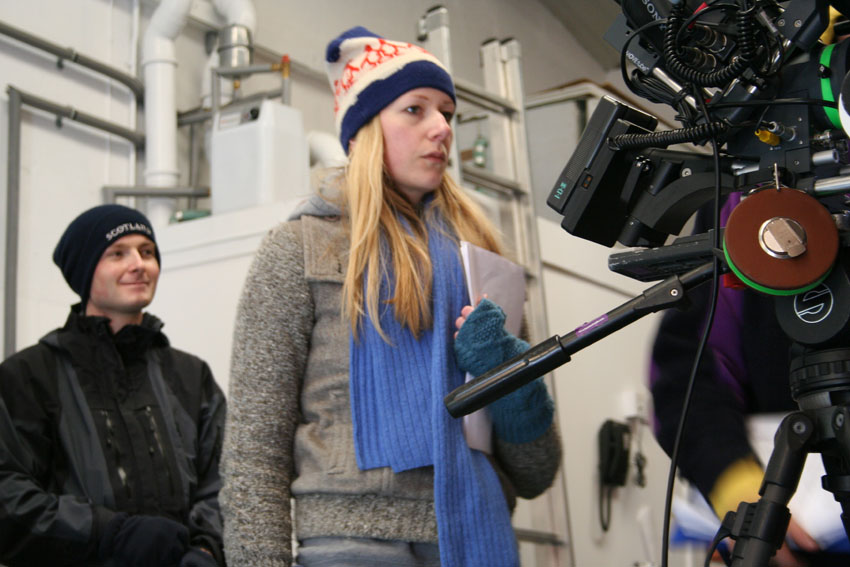
One of Kate’s earlier films was “The Ice Plant”.  I thought that this was a strange title until she told me that it was about ice cubes and that her research led her to  Highland Ice Ltd, a factory in Aberdeen which makes ice cubes, which kindly agreed to let her film there.  She has a good photo of the film crew standing around in woolly hats and scarves.

ice plant still 04

ICE PLANT.022

The Ice Plant 2007.mov.01_02_35_04.Still010

Festivals showing “The Ice Plant” were – Edinburgh International, Glasgow International, Clemont Ferrand International, Seattle International Film Festival, preceding a feature presentation at the GFT Glasgow.

Current television period dramas “War and Peace” and “Dickensian”, featuring Tuppence Middleton, have reminded me of a film Kate made in 2010, “Ever Here I Be”, a 16 minute ‘Digicult’ Film, UK Film Council & Scottish Screen.  Shown at Edinburgh International Film Festival, Nashville International Film Festival, Palm Springs Short Film Festival , Portabello Film Festival London and Inverness Film Festival Scotland. 

76695_133904063331334_1915421_n

Tuppence Middleton, Ever Here I Be, photograph by Janet Johnstone

Portfolio .056

Ever Here I Be Master - cow.mov.10_01_07_15.Still031

Ever Here I Be starred Tuppence Middleton and Christopher Simpson and was nominated for the Underwire ‘Best Female Character’ award 2012.

Kate was a talented artist from a very young age and it was a delight to watch her progress.

She went to Allerton Grange High School in Leeds, where Damien Hirst was a former pupil, and then completed a Foundation course in Fine Art at the Leeds College of Art and Design, where she increasingly studied film.  Kate then moved to Glasgow in 1999 to study Environmental Art at Glasgow School of Art, during which she went on exchange to Massachusetts College of Art and Design, Boston to study filmmaking.

Kate graduated in 2002 and has written and directed a number of shorts, documentary and promotional films.  These include several commissions from Glasgow School of Art to make documentaries and promotional films for them.

Kate has a passion for film education and has taught filmmaking and screenwriting to children and young people for the past 8 years through Into Film, Project Ability Glasgow, Glasgow Film, Edinburgh Filmhouse, Glasgow Media Access Centre and Visible Fictions theatre Company.

Her website is  www.kateburtonfilm.com  which highlights all her main films.  You can watch many, such as “Mrs Pickering’s Music Cabinet”, 2015, where Helen McCook, Artisan Embroidery & Artist, has been requested to reproduce the lost textile screen to go into an original Rennie Mackintosh cabinet.

Kate is currently working on an outline for her first feature film script.


Barn Owl continuous line drawing at Harrogate and Nidderdale Art Exhibition

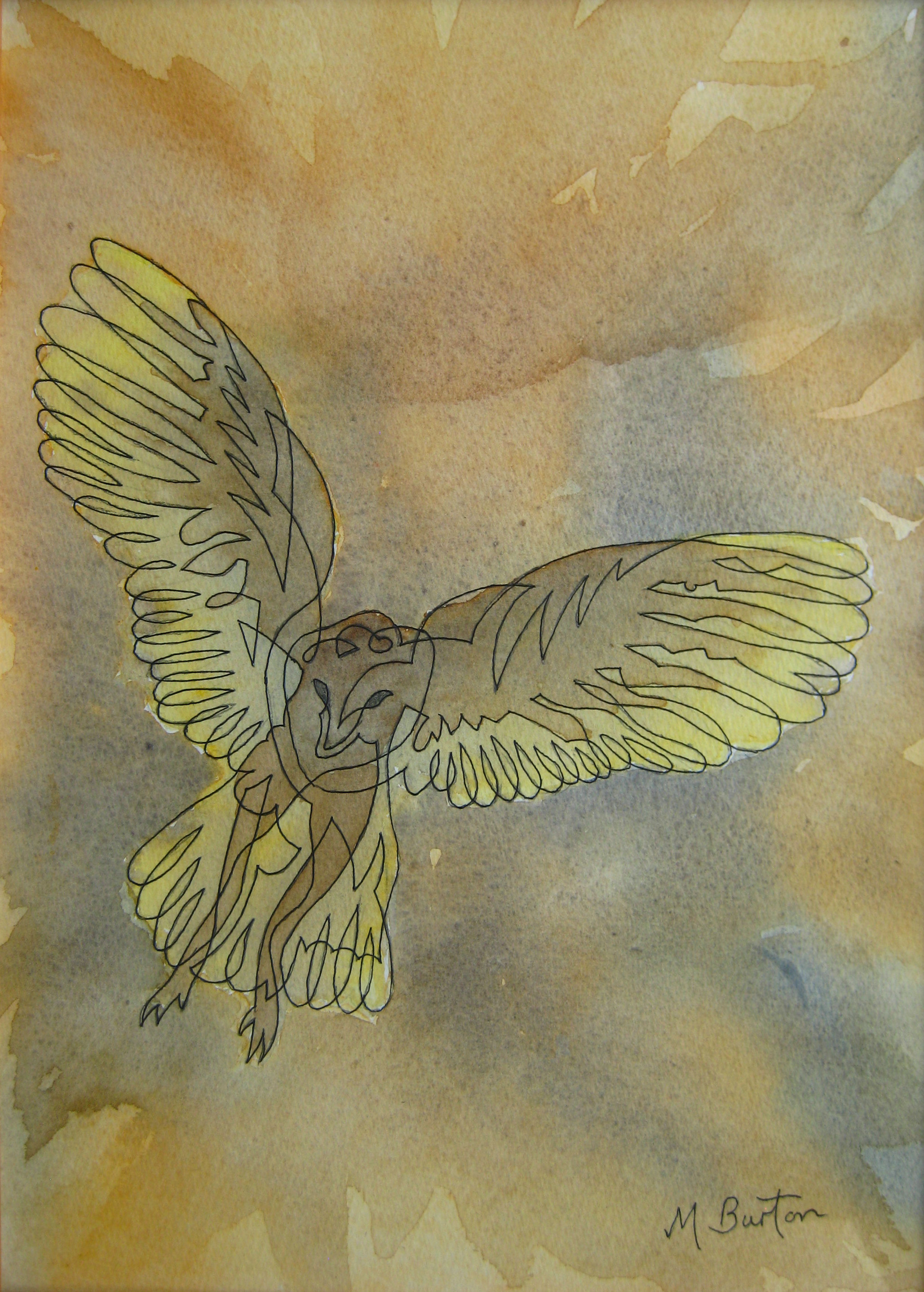
Continuous line drawing of Barn Owl onto Wet on Wet watercolour. Mick Burton.

Single continuous line drawing of Barn Owl onto Wet on Wet watercolour. Mick Burton continuous line artist, 2015.

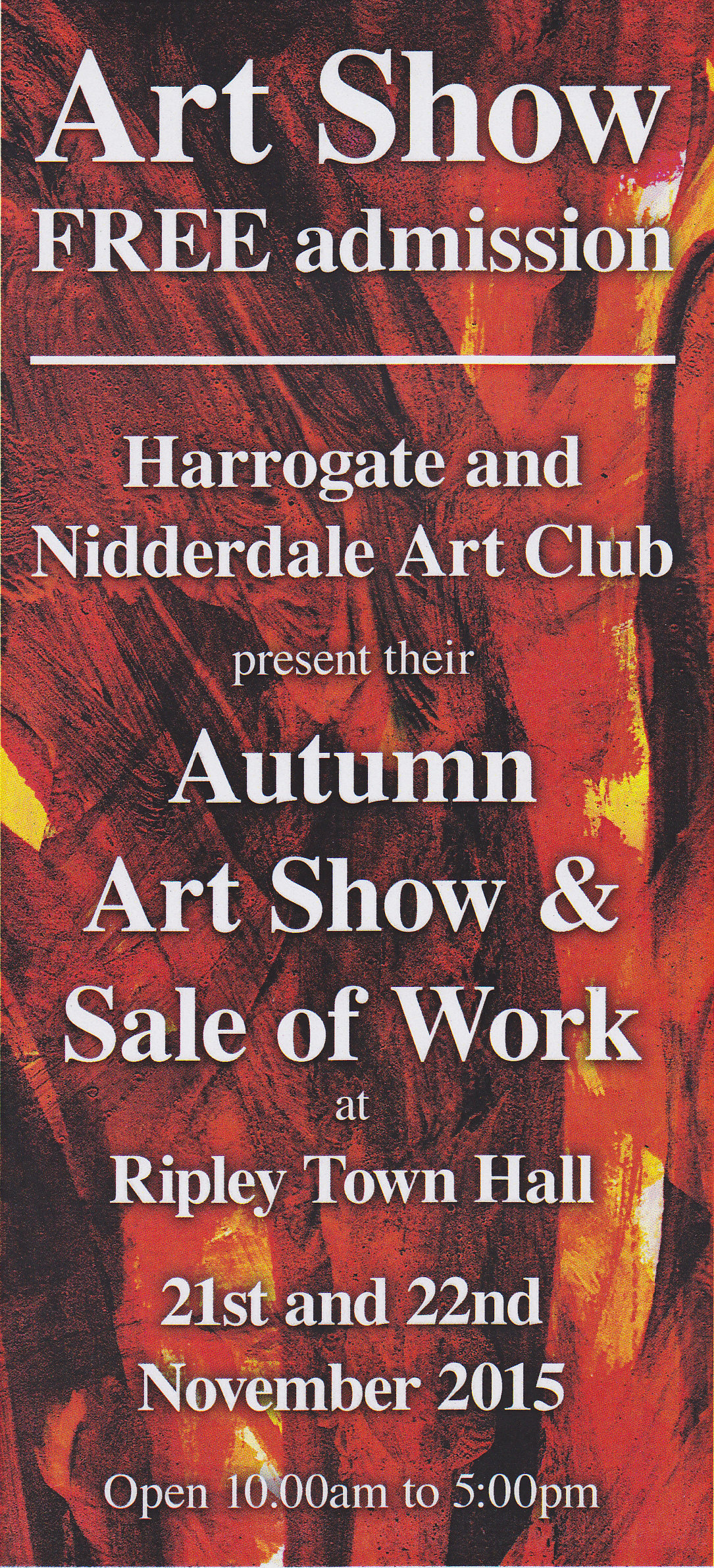
This Barn Owl painting will be one of my eight pictures on display at  the Harrogate and Nidderdale Art Club Autumn Exhibition in Ripley Town Hall, near Harrogate, on 21 & 22 November 2015.  I then intend to submit it to the next Association of Animal Artists Exhibition.

Harrogate and Nidderdale Art Club exhibition at Ripley Town Hall, near Harrogate, 21 & 22 November 2015.

Harrogate and Nidderdale Art Club exhibition at Ripley Town Hall, near Harrogate, 21 & 22 November 2015.

Visiting demonstrators at art clubs are amazingly varied and it is usually useful to attempt whatever they ask the club members to do.  I have done some workshops myself and appreciate the efforts of club members who really have a go at continuous line drawings, and associated things I show, even though to is unlikely that any of them will take up my technique as a main style.  Hopefully people can pick up things which can apply to other styles, such as building abstract patterns, using colour sequences, drawing key identifying parts of a subject and trying to manage a picture which sometimes appears to be drawing itself !

Charles Kelly from Bradford, who I have seen doing demonstrations before, came to Stainbeck Arts Club a couple of months ago and said he was doing a workshop this time.  Watercolour tends to be the most popular topic at art clubs, but Charles has a spectacular approach to “wet on wet” and this time we were doing it too.  Here is an example of his work from a demonstration to Alwoodley Art Group in 2013.

A Pair of Geese, painted by Charles Kelly in a demonstration at Alwoodley Art Group in 2013.

A Pair of Geese, painted by Charles Kelly in a demonstration at Alwoodley Art Group in 2013.

My usual style of strong lines and flat colours (acrylic or poster colour) are poles apart from watercolour but I always learn something.  I have to say that using a big brush to coat large proportions of the paper with water in advance (up to selected boundaries of course) and then squeezing brush loads of watercolour in dollops all over is a bit “hairy”.  Then picking up the paper and waving it about so that the colour swishes around, like tides on a beach, reminds me of relatives of mine “panning” for gold in Victoria in the 1850’s.

Charles had brought many reference pictures which we could use and I chose one of a barn owl.  I thought that I could do washes up to the outline of the owl and also within the owl and later put a continuous line on top which more or less matched the washes.  Here is a copy of the wash I did initially, helped by some tips from Charles along the way.

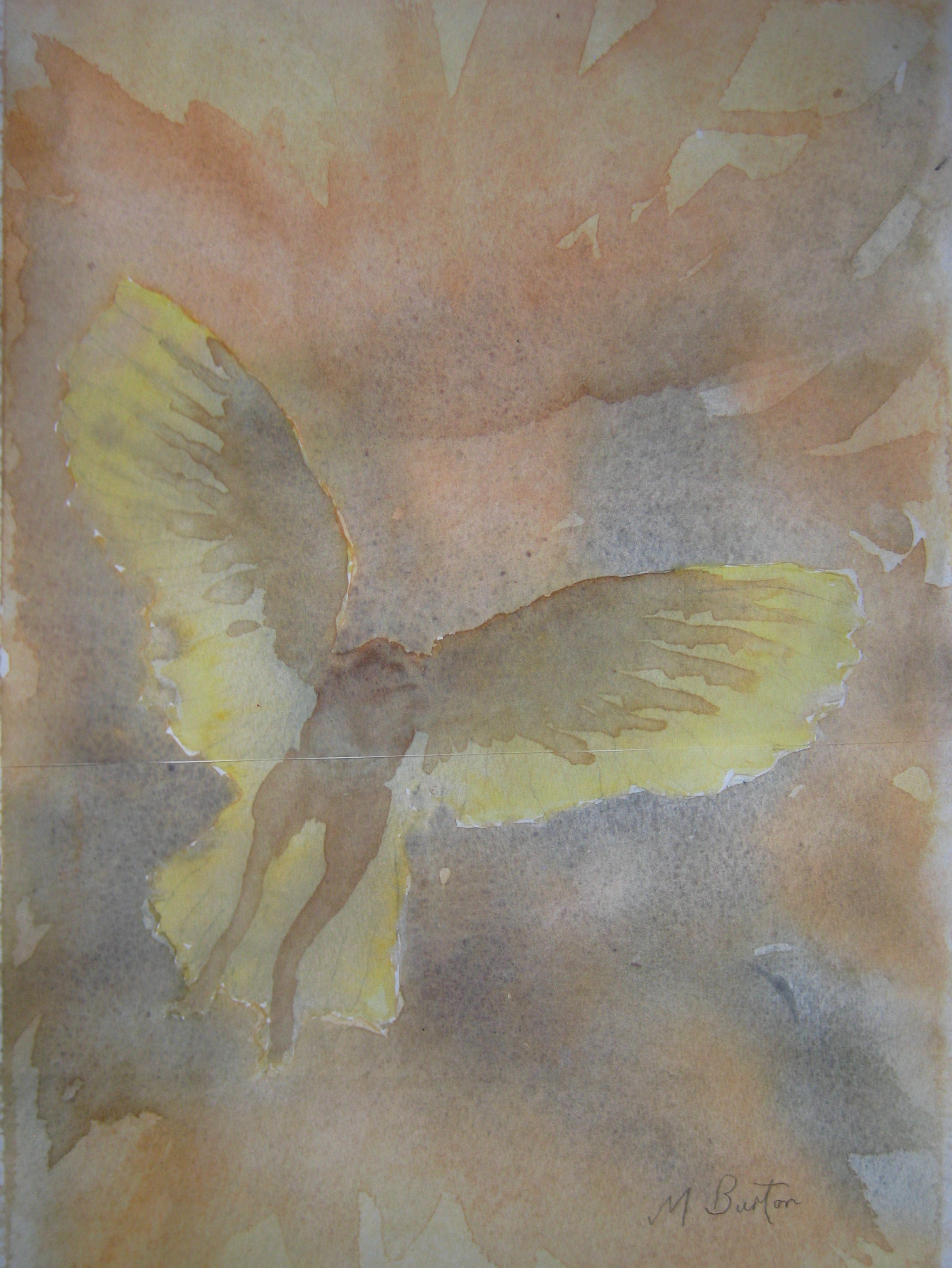
Copy of Wet on Wet watercolour of Barn Owl, before I attempted the continuous line drawing. Mick Burton.

Copy of Wet on Wet watercolour of Barn Owl, before I attempted the continuous line drawing. Mick Burton.

Later, at home, I worked on the continuous line on top of the above copy.  I started by putting key lines along the outline of the owl, feathering and other features – to match the borders of colours as far as I could.  Then I added more connecting pattern and finally joined everything up and made sure I had a continuous line.

Once I was satisfied with this I traced the continuous line down onto my watercolour painting and drew over the lines in acrylic pen making final changes as I saw how the firm line was developing.

I think that the translucent effect of the feathering has worked well, although this view may not be appreciated by a victim mouse in its last moments.

Red Squirrel continuous line and Grey Squirrel photographs

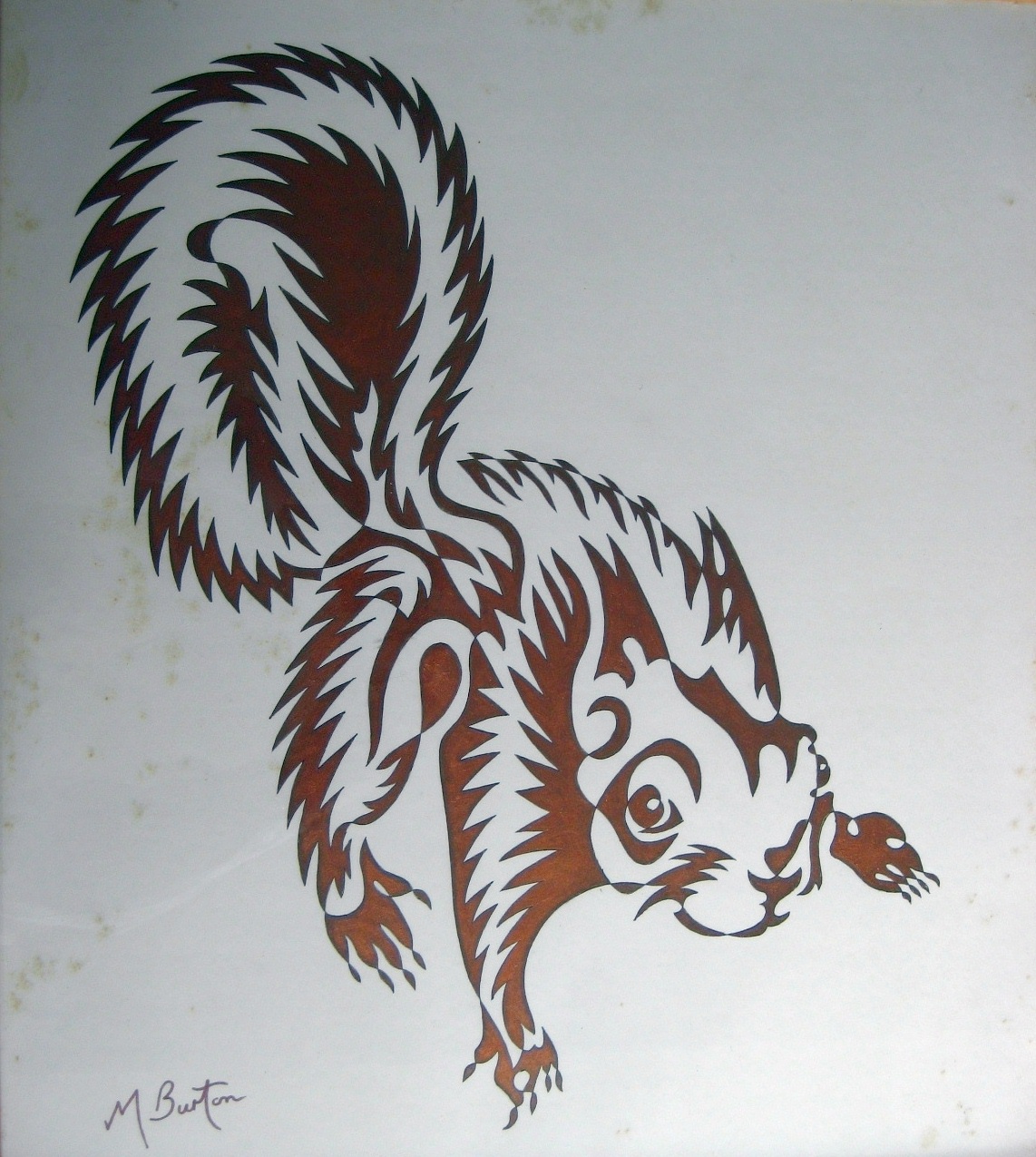
Red Squirrel, continuous line with colour sequence. Mick Burton, Leeds artist.

Red Squirrel, single continuous line drawing with colour sequence. Mick Burton, Leeds continuous line artist.
This continuous line Red Squirrel, completed with colour sequence, is one of my pictures to be hung at the Leeds Art Exhibition and Sale put on for the 15th year by St Gemma’s Hospice.

St Gemma's Leeds Art Exhibition. 29 - 31 October 2015

St Gemma’s Leeds Art Exhibition. 29 – 31 October 2015

This colour sequence squirrel is the last of a series which began with my attempt to produce a continuous line drawing with a shimmering fur effect for the squirrel.

Continuous line squirrel from 1970, with shimmering effect of fur. Mick Burton, Leeds artist.

Single continuous line drawing of squirrel from 1970, with shimmering effect of fur. Mick Burton, Leeds continuous line artist.

I have a treasured memory of seeing a Red Squirrel, when I was four, sitting on a wall next to our cottage at Arncliffe Hall, in the North Riding, where my Dad was Head Gardener to Sir Hugh Bell just after the War.  I thought that completing alternate shading with copper paint would best reflect this colour in this picture from 1970.  My daughter Kate said on the phone today that she remembered this picture being in the hall when she was young.

Red Squirrel with copper alternate shading from 1970. Mick Burton, Leeds artist.

Red Squirrel, single continuous line drawing with copper alternate shading from 1970. Mick Burton, Leeds continuous line artist.
I have many clear memories of living at Ingleby Arncliffe from the age of nearly two, to four and a half when we left.

Falling out of my pram outside the local shop and crawling up the step was the earliest. There was a three legged cat, then at Sunday School one of the stamps I collected was “The Light of the World” by William Holman Hunt (my first taste of the Pre-Raphaelites) and I won the child’s sprint on sports day on the cricket ground.

In the famous terrible winter of 1947, I remember Dad helping to dig a trench in the snow drifts down to the village.  It was amazing to walk along the trench and not be able to see out.

 I once watched a pig being killed in the yard by the cottage and the workman laughed as he squirted me with the pig’s bladder.  This memory came back years later when, as a young police constable, I attended my first post mortem (of a coal miner who had been in an underground tunnel collapse).  My sergeant stood with me and assured me that it would be just like a newly killed pig being cut up, if I had ever seen one.  I said “Yes, I saw one when I was four ! “

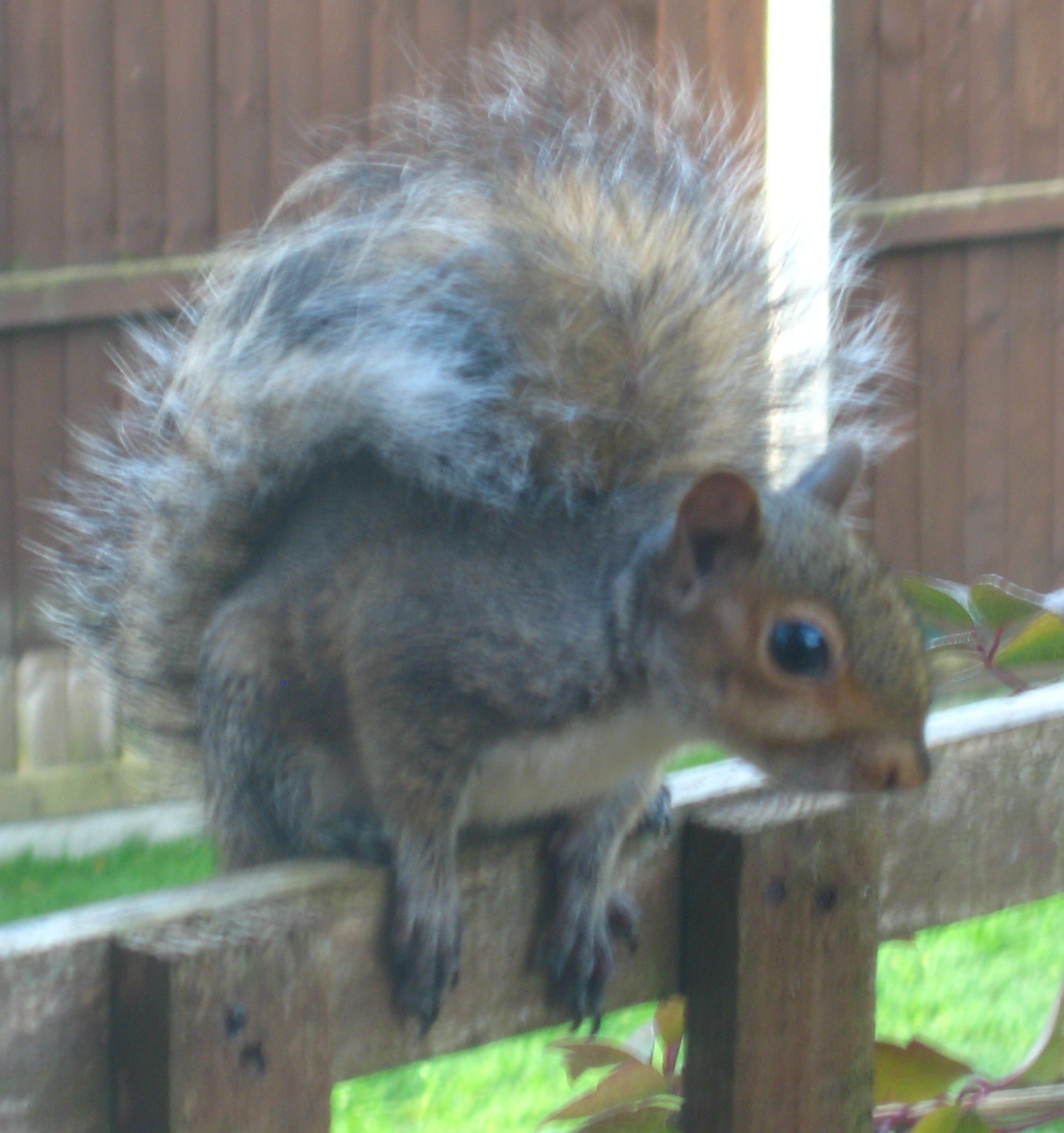
I only see grey squirrels now, mainly helping themselves to the bird seed Joan puts out.  With Gledhow Valley Woods at the end of the garden we can have five of them at a time.  Yesterday, a young squirrel was chased by a cat and ended up on the trellis a few feet from our dining room window.  Joan chased the cat away and called to me as the squirrel was too scared to move.

I took some quick photographs whist it was still there, but it became apparent that it was not going to move and was looking at me pleadingly.  So I went out and shepherded it into the bushes.  Here are some photos of a shimmering fur tail.

Young Grey Squirrel from Gledhow Valley Woods. Three feet from my window after being chased by a cat. Mick Burton, Leeds artist.

Young Grey Squirrel from Gledhow Valley Woods. Three feet from my window after being chased by a cat. Mick Burton, Leeds artist.

Young Grey Squirrel not daring to move, even though Joan had chased the cat away. Mick Burton, Leeds artist.

Young Grey Squirrel not daring to move, even though Joan had chased the cat away. Mick Burton, Leeds artist.

Young Grey Squirrel, imploring me to stop taking photos and do something about the cat. So I went out and shepherded it to the bushes. Mick Burton, Leeds artist.

Young Grey Squirrel, imploring me to stop taking photos and do something about the cat. So I went out and shepherded it to the bushes. Mick Burton, Leeds artist.

Leeds Carnival 2015 with photos by Mick Burton, continuous line artist.
Red Indian head dress costume, Leeds Carnival 2015. Photo by Mick Burton continuous line artist.
Red Indian head dress costume, Leeds Carnival 2015. Photo by Mick Burton continuous line artist.
This was the first costume in the parade, preceded by one of several mobile steel drum bands. We stood on the first bend, near Gledhow Valley, after the parade’s initial stretch from Potternewton Park.

Cockapoo with wet paws waits for the Leeds Carnival parade to approach. Photo by Mick Burton, continuous line artist.
Cockapoo with wet paws waits for the Leeds Carnival parade to approach. Photo by Mick Burton, continuous line artist.

It was a dull afternoon and drizzling. The Cockapoo loved the fuss from the crowd and waited for some action.

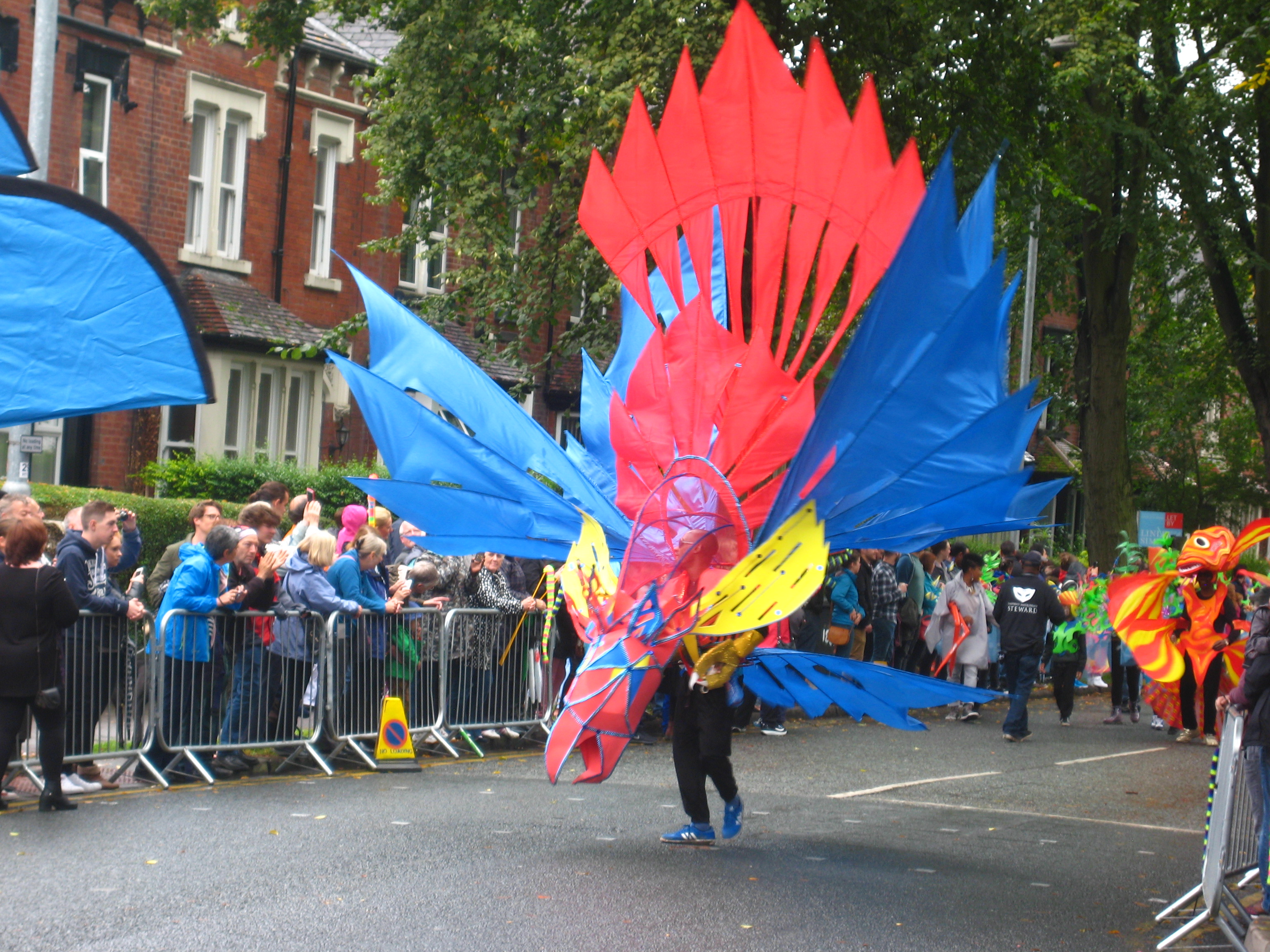
Red and blue costume in the Leeds Carnival matched the drizzle. Photo by Mick Burton, continuous line artist.
Red and blue costume in the Leeds Carnival matched the drizzle. Photo by Mick Burton, continuous line artist.
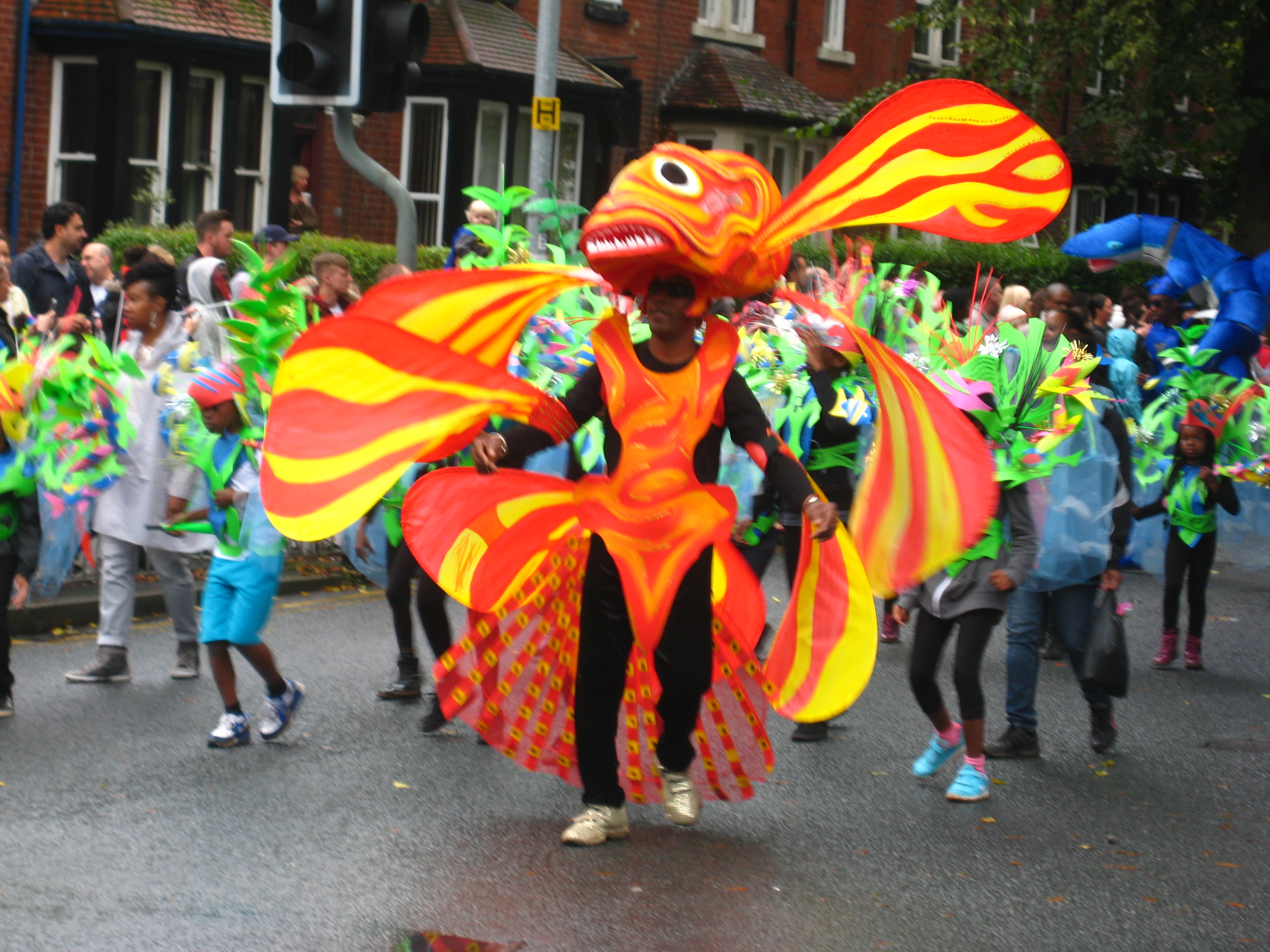
Yellow and orange costume which lit up the parade at the Leeds Carnival. Photo by Mick Burton, continuous line artist.

Yellow and orange costume which lit up the parade at the Leeds Carnival. Photo by Mick Burton, continuous line artist.
The drizzle had stopped and this costume, really lit up the parade.

Violet and yellow costume at the Leeds Carnival. Photo by Mick Burton, continuous line artist.
Violet and yellow costume at the Leeds Carnival. Photo by Mick Burton, continuous line artist.

Razzle and Dazzle at the Leeds Carnival. Photo by Mick Burton, continuous line artist.

Razzle and Dazzle at the Leeds Carnival. Photo by Mick Burton, continuous line artist.

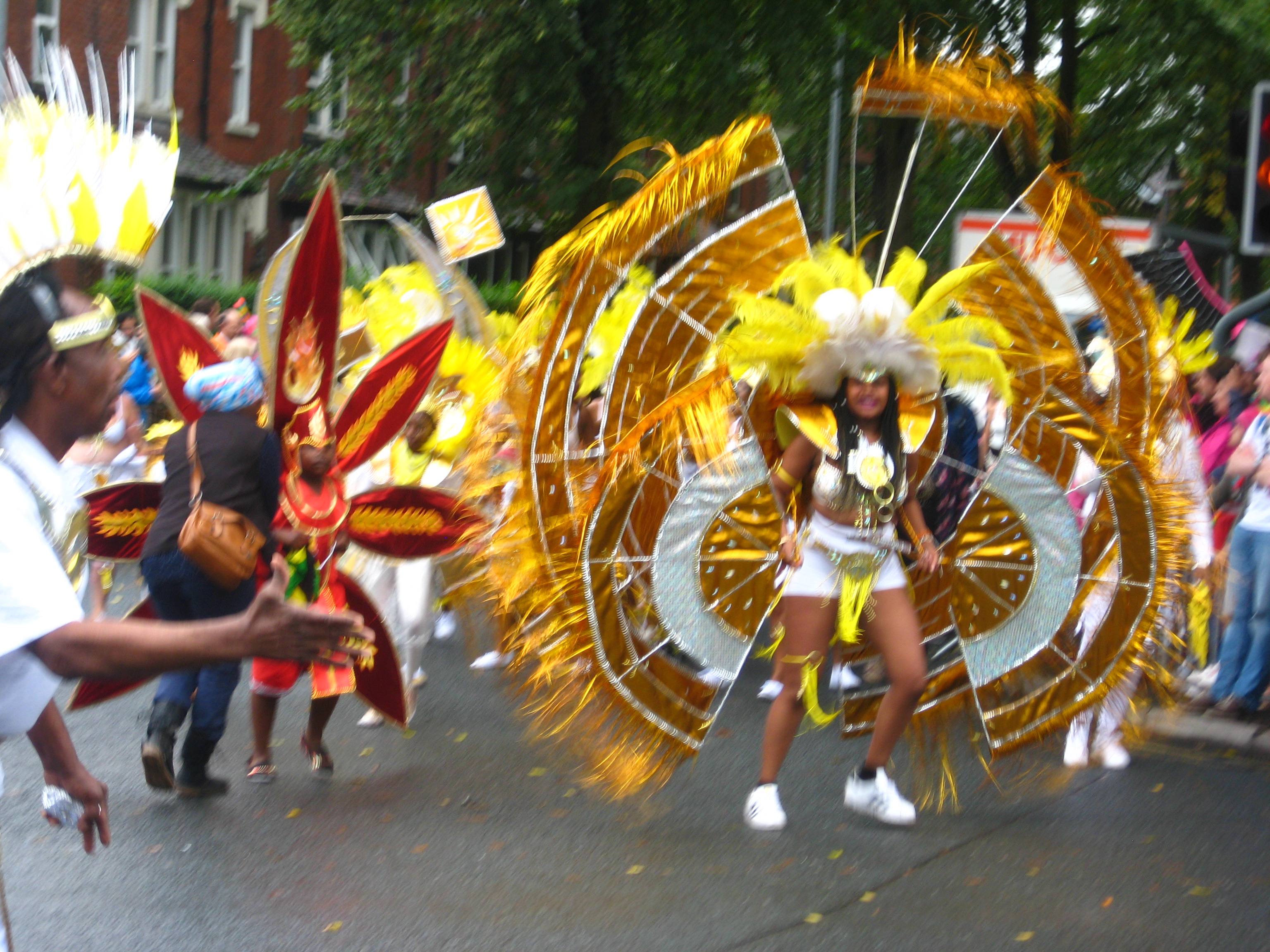
Gold costume at the Leeds Carnival. Photo by Mick Burton, continuous line artist.

Gold costume at the Leeds Carnival. Photo by Mick Burton, continuous line artist.
Lion King at the Leeds Carnival. Photo by Mick Burton, continuous line artist.
Lion King at the Leeds Carnival. Photo by Mick Burton, continuous line artist.

Catherine wheel costume at Leeds Carnival. Photo Mick Burton, continuous line artist.

Catherine wheel costume at Leeds Carnival. Photo Mick Burton, continuous line artist.

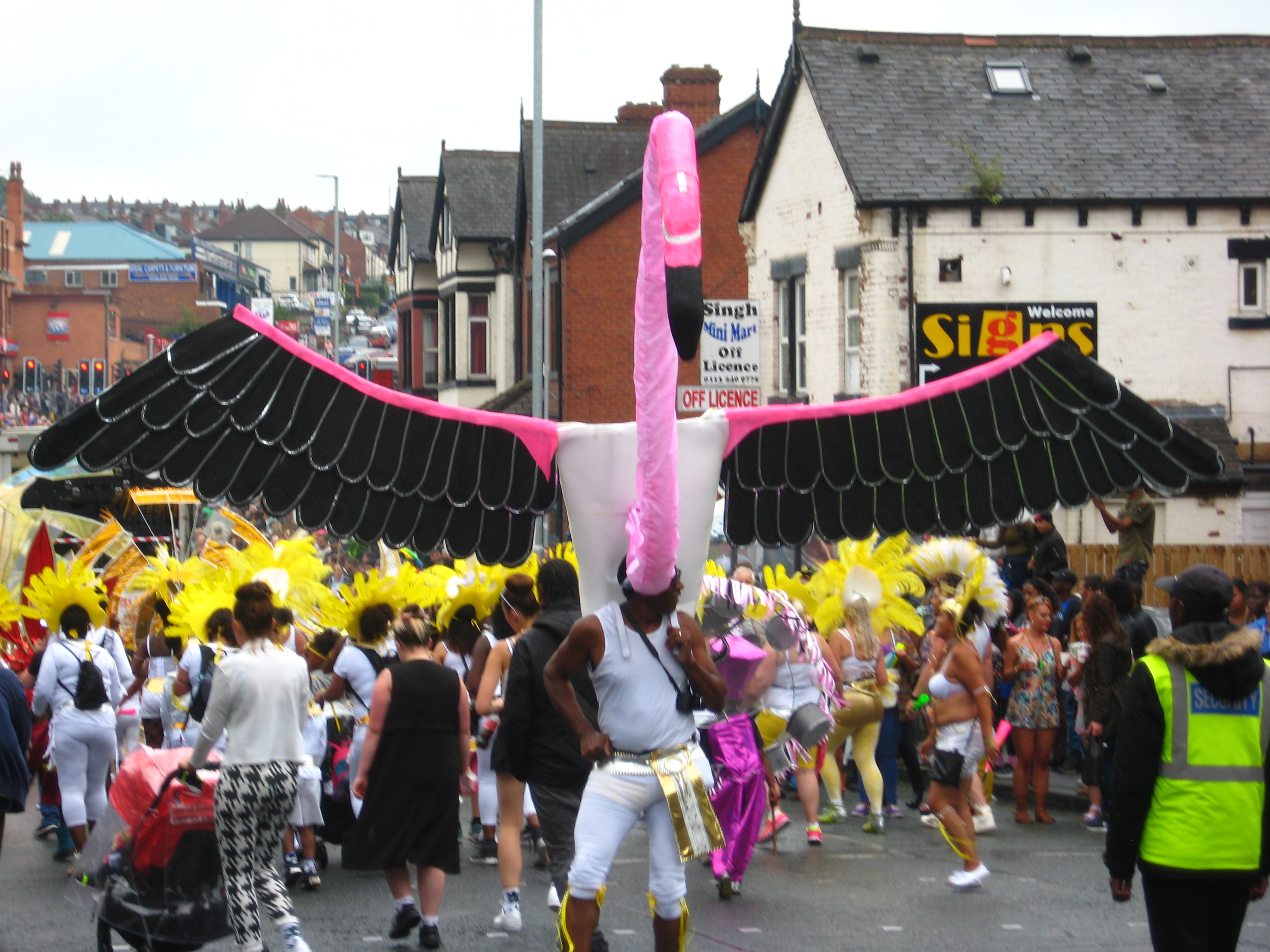
Flamingo costume at Leeds Carnival. Photo by Mick Burton, continuous line artist.

Flamingo costume at Leeds Carnival. Photo by Mick Burton, continuous line artist.
Bolivian costumes, back view, at the Leeds Carnival. Photo Mick Burton, continuous line artist.
Bolivian costumes, back view, at the Leeds Carnival. Photo Mick Burton, continuous line artist.

Jamaican costume at Leeds Carnival. Photo Mick Burton, continuous line artist.

Jamaican costume at Leeds Carnival. Photo Mick Burton, continuous line artist.

Blue and Green costume at Leeds Carnival. Photo Mick Burton, continuous line artist.

Blue and Green costume at Leeds Carnival. Photo Mick Burton, continuous line artist.

Pink costume at Leeds Carnival. Photo Mick Burton, continuous line artist.

Pink costume at Leeds Carnival. Photo Mick Burton, continuous line artist.

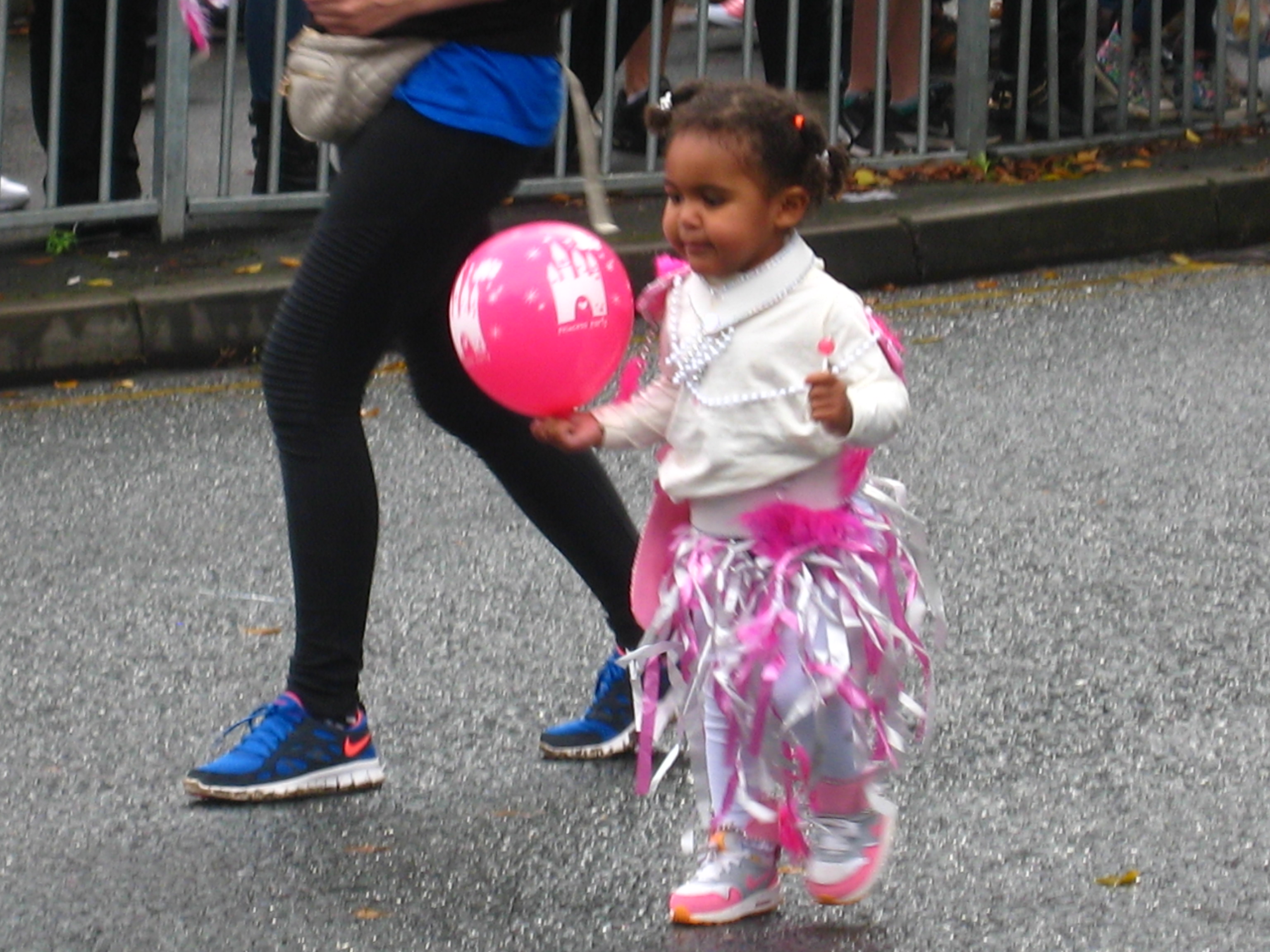
Child with balloon in Leeds Carnival parade. Photo Mick Burton, continuous line artist.

Child with balloon in Leeds Carnival parade. Photo Mick Burton, continuous line artist.

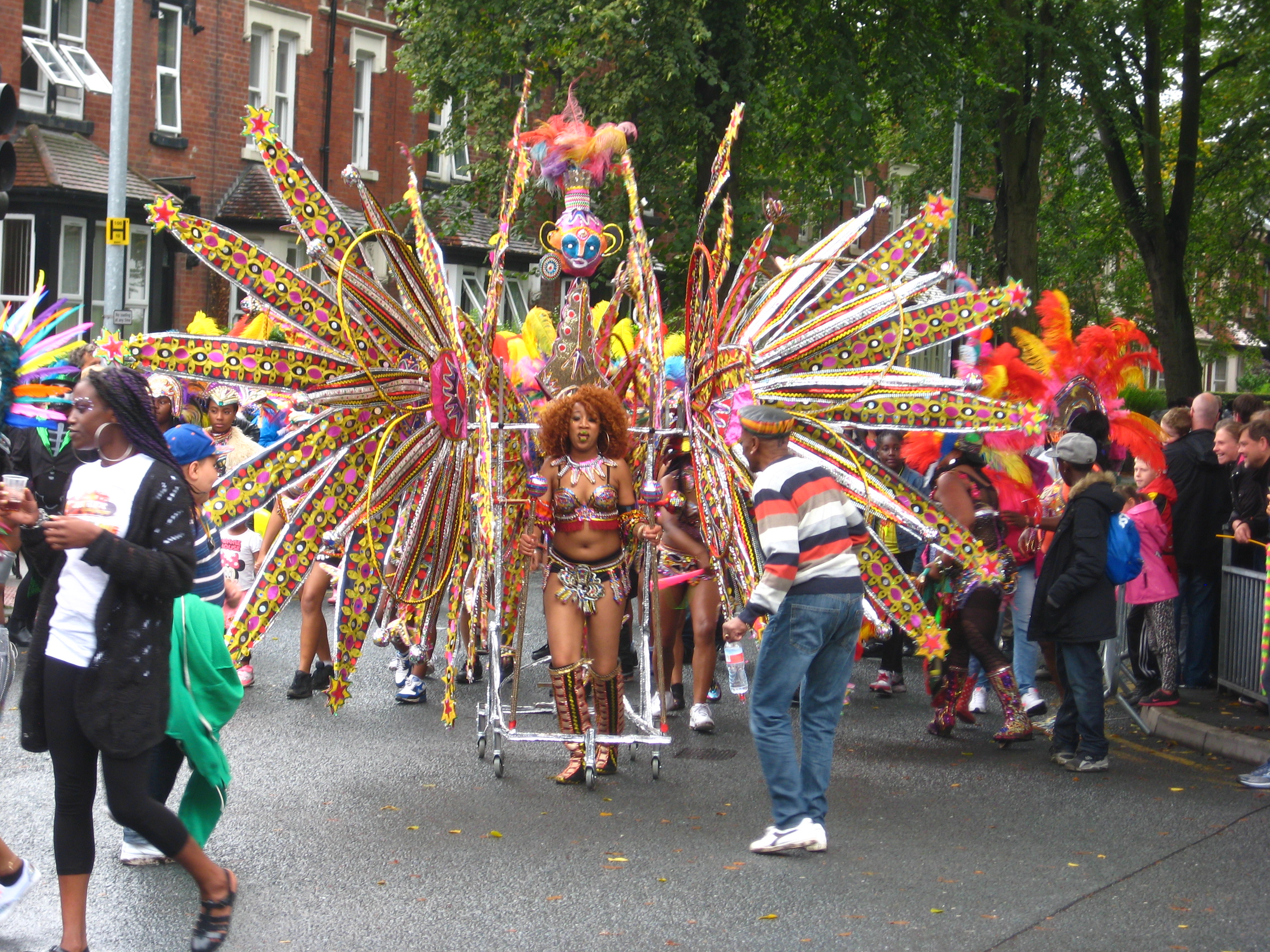
Multi petal costume at Leeds Carnival parade. Photo Mick Burton, continuous line artist.

Multi petal costume at Leeds Carnival parade. Photo Mick Burton, continuous line artist.

So there we are. Another very entertaining Leeds Carnival parade. The colours lit up a dull afternoon until the sun came out.


Stainbeck Arts Club Exhibition at Chapel Allerton Arts Festival

Stainbeck Arts Club Exhibition at Chapel Allerton Arts Festival, Leeds.  on Saturday 5 September 2015.  Paintings by Mick Burton, continuous line artist, are included.

Stainbeck Arts Club Exhibition at Chapel Allerton Arts Festival, Leeds. on Saturday 5 September 2015. Paintings by Mick Burton, continuous line artist, are included.

Stainbeck Arts Club, my local art club which is based in Chapel Allerton in north Leeds next to Gledhow Valley, is holding its Annual Art Exhibition as part of the Chapel Allerton Arts Festival.  The Exhibition held in Chapel Allerton Methodist Church, which is situated at the lower end of the main Festival area, will be open from 10.00 to 16.00 on Saturday 5 September 2015.

There will be many quality pictures on display, so if you are attending the Arts Festival do pop in and have a look.  Admission is free.

Chapel Allerton Arts Festival 2015, front cover of brochure.

Chapel Allerton Arts Festival 2015, front cover of brochure.

The Chapel Allerton Arts Festival was started in 1998 by members of the local community in a small way, with a few stalls and two bands playing from the back of a lorry in the evening.

It now runs from Monday to Sunday and involves many parts of the community at lots of venues during the week, including a Short Film Festival and an Art Trail. At the weekend two streets are closed off and the central parking areas taken over for all the stalls and events, including a main stage for the many quality bands. The festival is still run entirely by volunteers.

This year the Festival starts on Monday 31 August and the main day will be Saturday 5 September when people will arrive from all over the place to attend one of the star attractions in the Leeds calendar.