Category Archives: Photographs

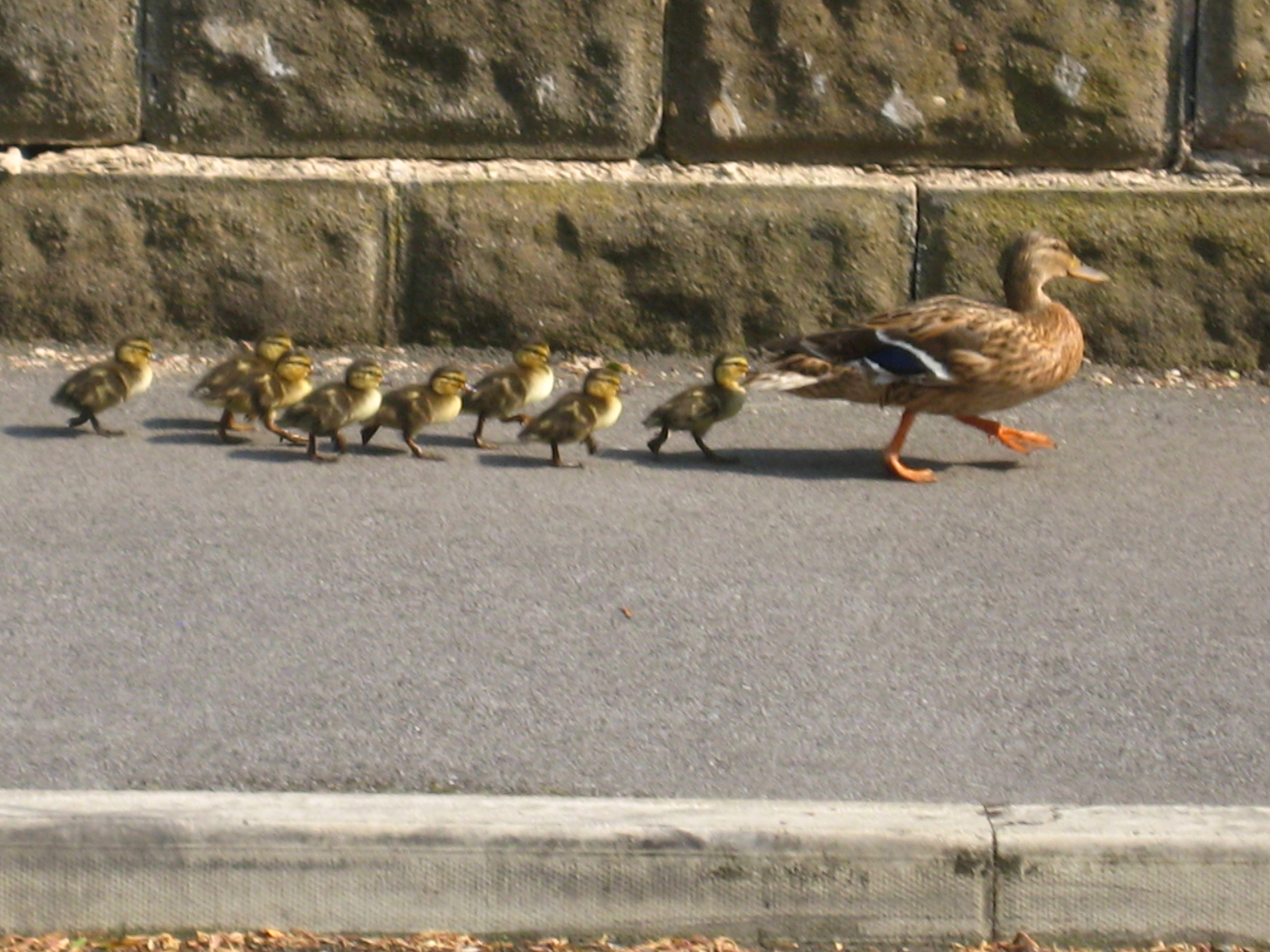
Mallard steams by towing eight ducklings in a continuous line.

Mallard steams by towing eight ducklings in a continuous line. Photo Mick Burton, 7.8.2016, Well House Drive, Gledhow Valley, Leeds.

Mallard steams by towing eight ducklings in a continuous line. Photo Mick Burton, 7.5.2016, Well House Drive, Gledhow Valley, Leeds.

After a couple of hours digging rocks and roots in the back garden, I emptied the roots into the brown bin and glanced towards the road at the front. There was a gap between the car and the gate post and I glimpsed a line of ducklings going by on the other side of the road.  What were the chances of that happening?
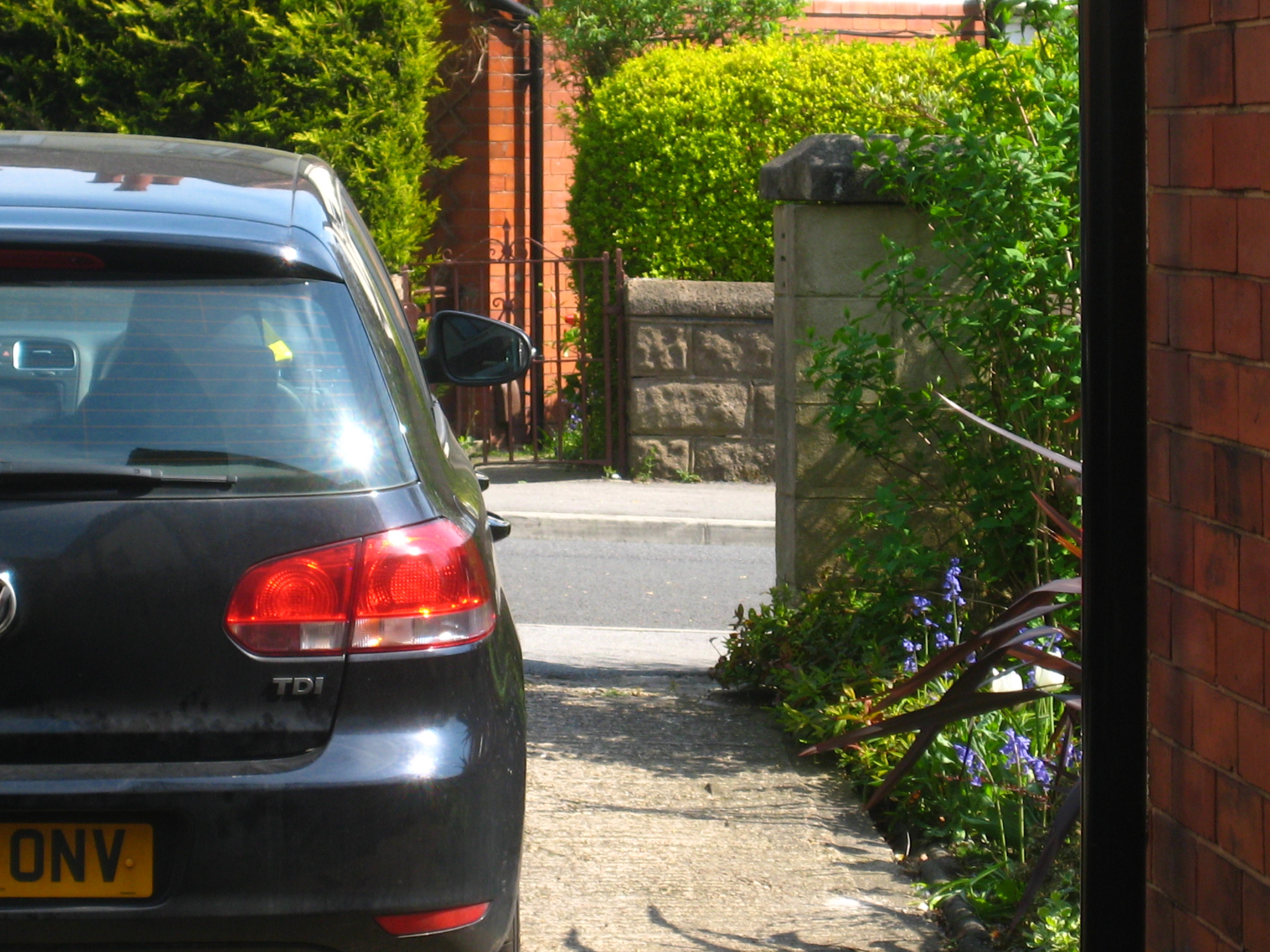
View across the road where a line of ducklings went by. Photo Mick Burton, continuous line artist,7.5.16.

View across the road where a line of ducklings went by. Photo Mick Burton, continuous line artist,7.5.16.

I rushed inside the house for my camera and ran to catch up with the female Mallard mother marching down the road with her brood in tow.  There were some kids in gardens not yet aware and cars going up and down the road.  I took the photo which appears at the top of this post.

But what was this Mallard mother doing coming down our road with her ducklings, when I knew of no streams or ponds in the streets higher up?

Anyway, I knew where she was likely to be going.  If she turned right at the bottom of the road she was on Gledhow Valley Road and the houses along there all had the Gledhow Beck flowing through their gardens.  She started to move out towards the curb to assess when to cross the road.

Mallard mum starting to move out towards the curb. Photo Mick Burton, continuous line artist.

Mallard mum starting to move out towards the curb. Photo Mick Burton, continuous line artist.

I took another closer view of the bird as she headed along parallel to the curb.  There is an eighth duckling just out of shot at the back.
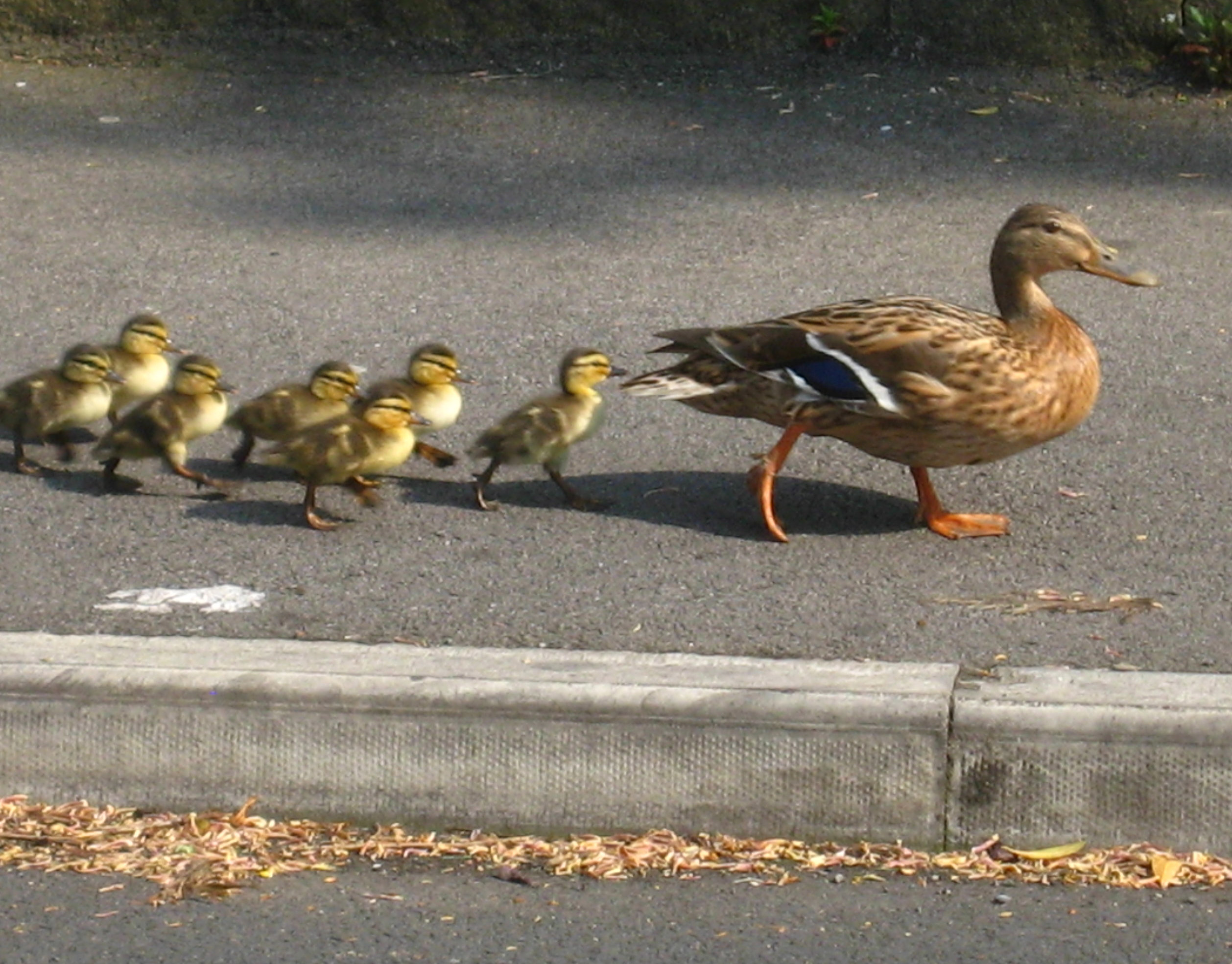
Closer view of female Mallard with seven ducklings in the picture. Photo Mick Burton, continuous line artist, 7.5.16, Gledhow Valley.

Closer view of female Mallard with seven ducklings in the picture. Photo Mick Burton, continuous line artist, 7.5.16, Gledhow Valley.

Looking at these photos reminds me of my  train spotting days as a youth when I saw the  A4 pacific steam engine “Mallard” at speed pulling many carriages.  No wonder they decided to name the fastest ever steam locomotive after such a sleek bird.  Here is a photo I took of the “Mallard” steam engine at the National Railway Museum in York three years ago, along with my son Matthew.
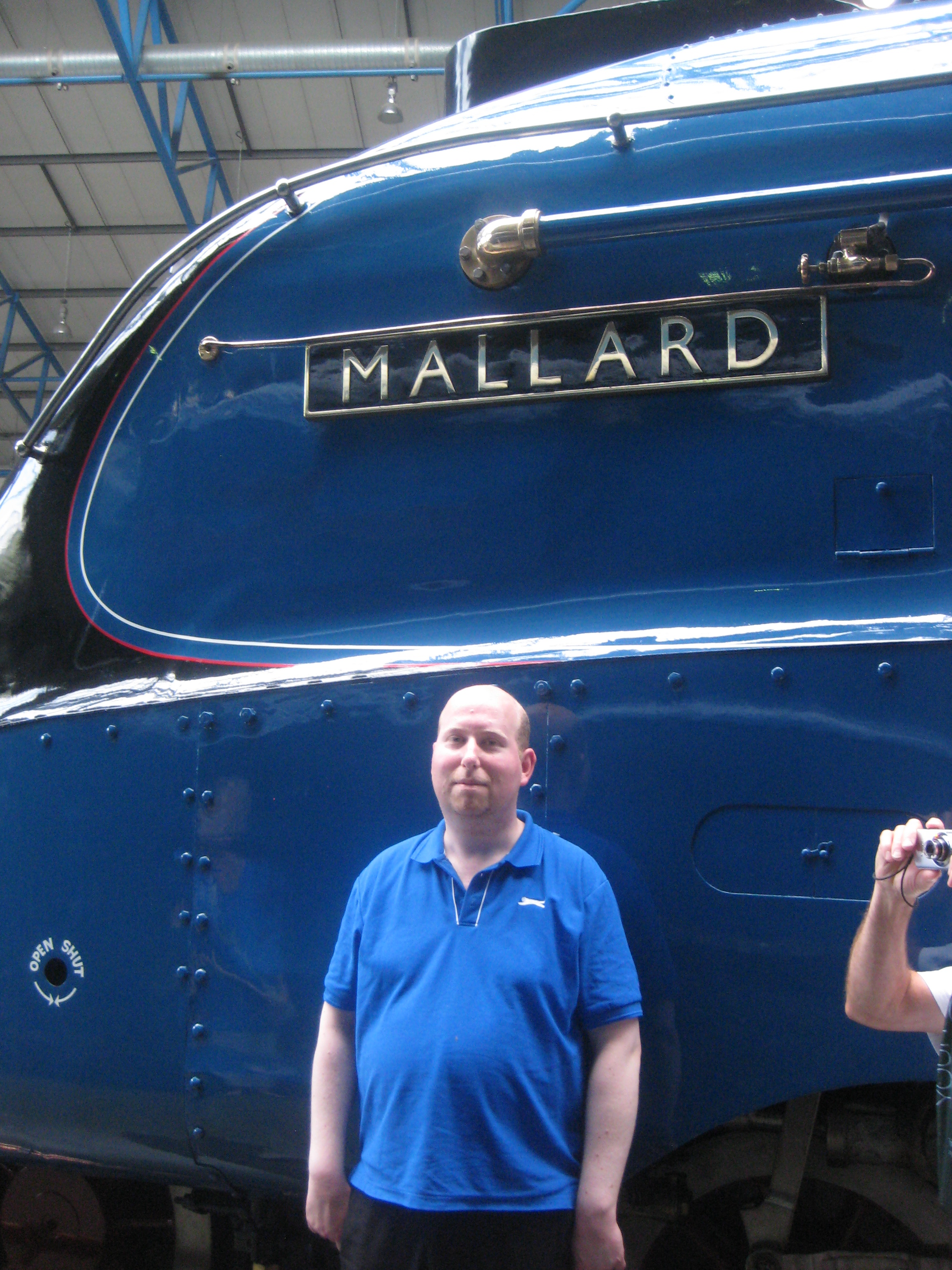
Mallard, the fastest ever steam engine, at York National Railway Museum along with my son Matthew. Photo Mick Burton, continuous line artist.

Mallard, the fastest ever steam engine, at York National Railway Museum along with Matthew Burton.  Photo Mick Burton, continuous line artist.

Now back to the ducks and the dangerous task of crossing the road.  The road seemed clear so Mum decided to cross.  A car was signalling to turn left into our road and I flagged it down just as it was turning, which gave me little time to get a photo of the ducks in the middle of the road.  The result was a bit shaky.
Mallard Mum and eight ducklings crossing the road in front of a waiting car in Gledhow Valley. Photo Mick Burton, continuous line artist.

Mallard Mum and eight ducklings crossing the road in front of a waiting car in Gledhow Valley. Photo Mick Burton, continuous line artist.

When you are a very small duckling it’s not easy to mount a pavement you can’t really see over, and there’s not much sympathy from Mum.
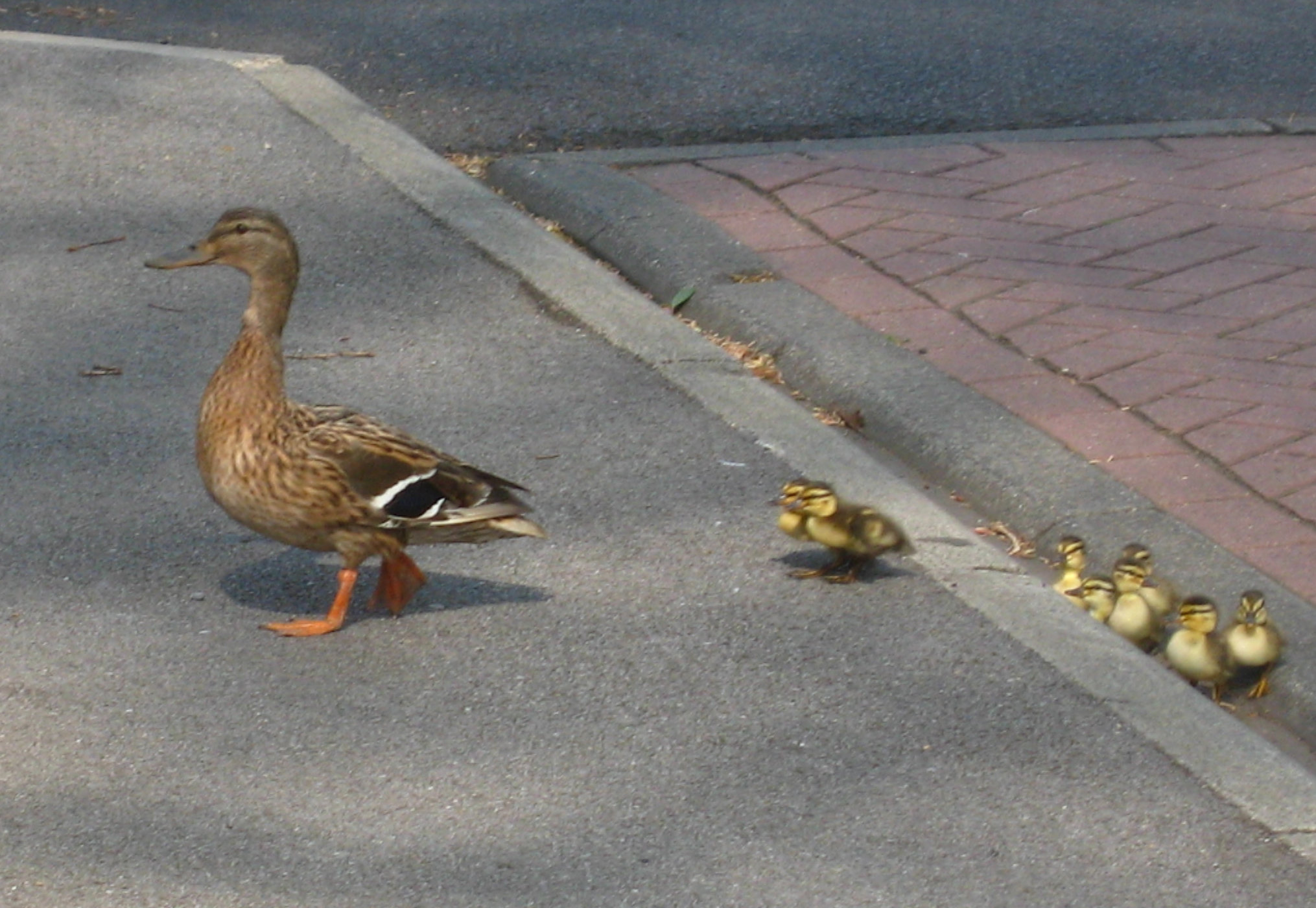
Ducklings struggle to mount a pavement higher than they are. Photo Mick Burton, continuous line artist.

Ducklings struggle to mount a pavement higher than they are. Photo Mick Burton, continuous line artist.

Pause to regroup and a crowd of kids is starting to gather.
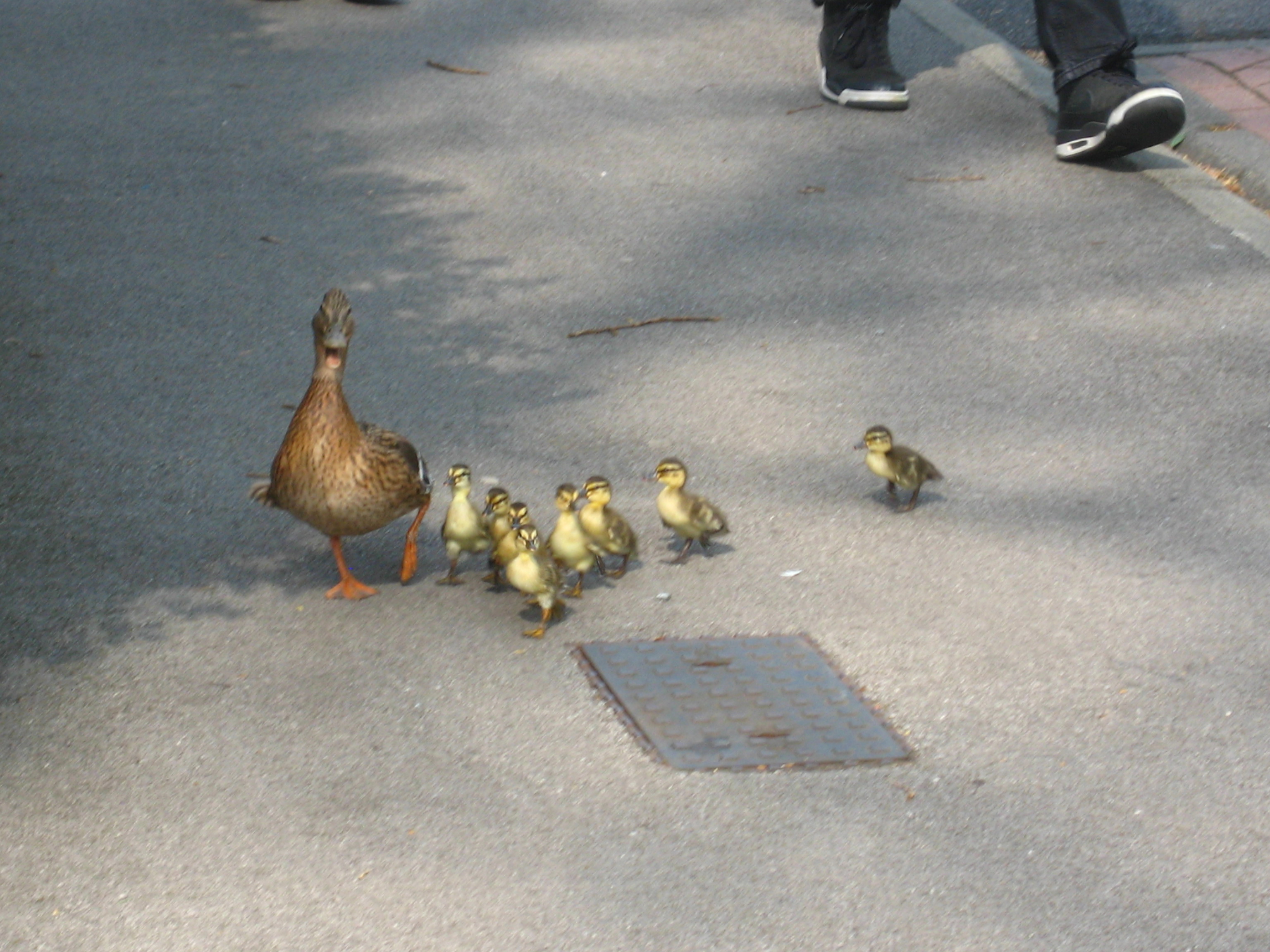
Ducklings regroup on the pavement after mounting to kerb. Photo Mick Burton, continuous line artist.

Ducklings regroup on the pavement after mounting to kerb. Photo Mick Burton, continuous line artist.

The worst is over and the female Mallard turns right into Gledhow Valley Road.

Mallard and ducklings turn right into Gledhow Valley. Photo Mick Burton, continuous line artist.

Mallard and ducklings turn right into Gledhow Valley. Photo Mick Burton, continuous line artist.

The Mallard Mum and her train of ducklings can speed up as they enter the home straight.  I am sure now that they will turn right into a drive soon.
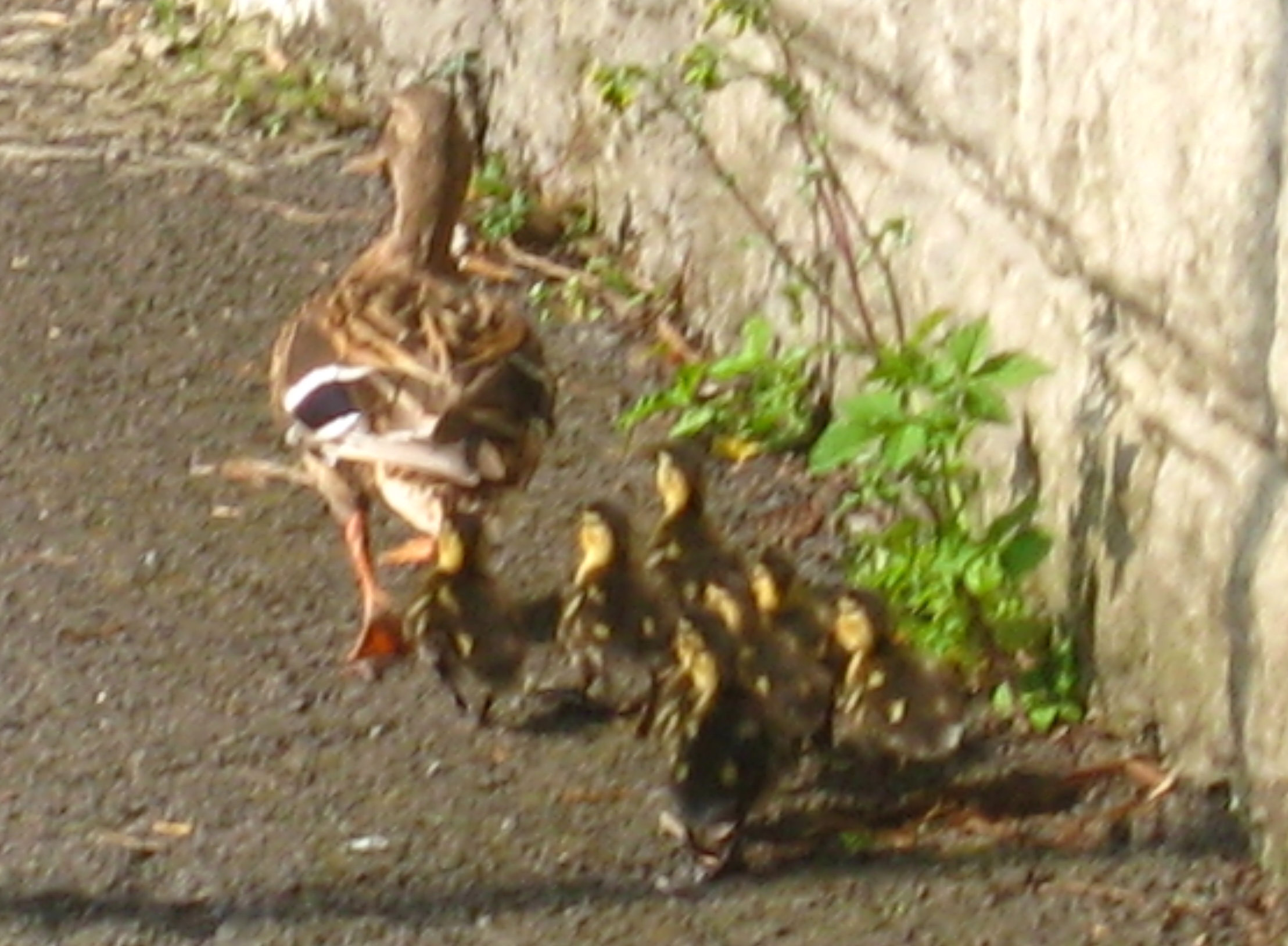
The train of Mallard ducklings speed up as they enter the home straight. Photo Mick Burton, continuous line artist.

The train of Mallard ducklings speed up as they enter the home straight. Photo Mick Burton, continuous line artist.

The crowd of kids is becoming a bit intrusive and I ask them to keep their distance, but without much effect.
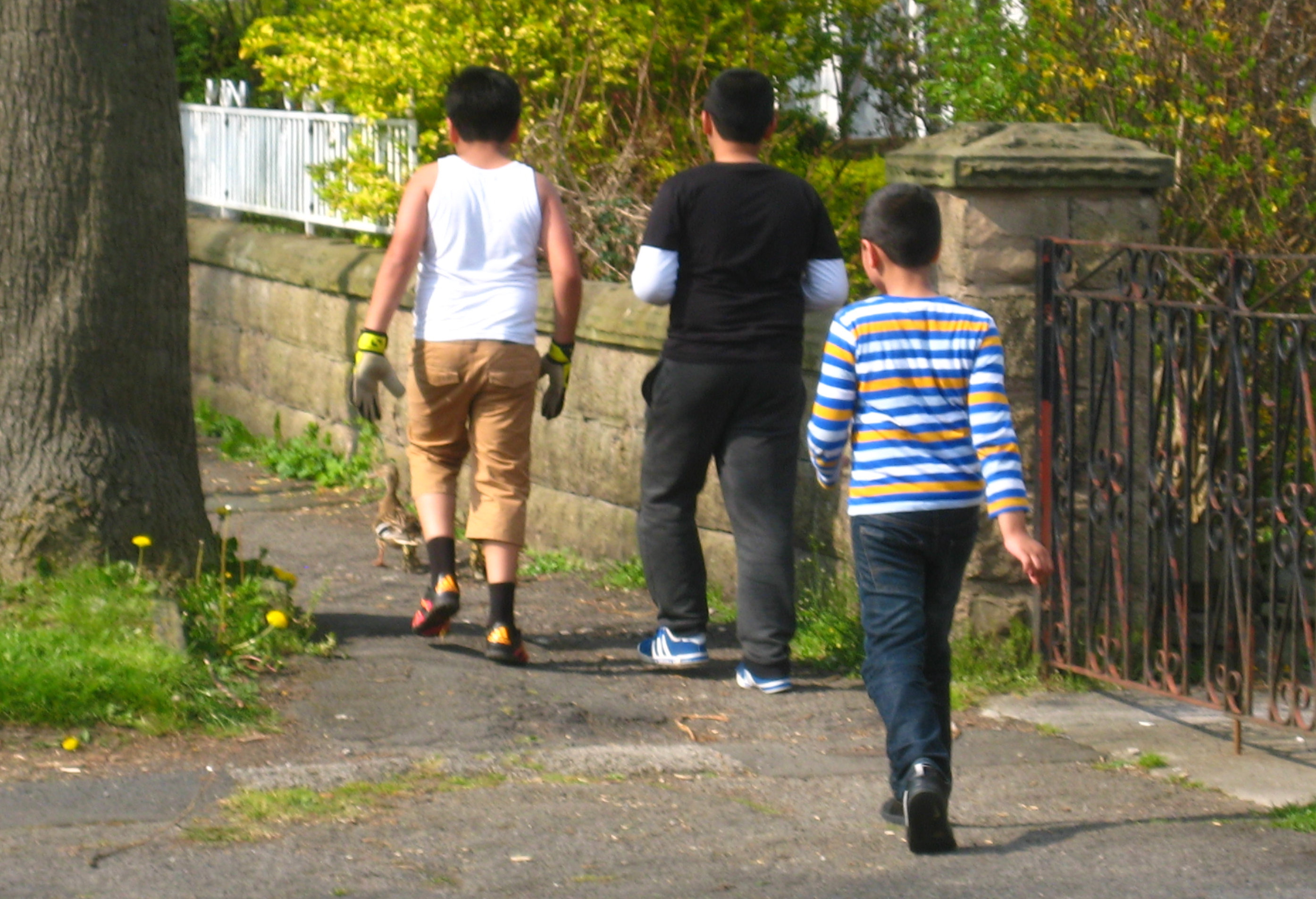
Kids arriving from all directions are beginning to crowd the ducks. Photo Mick Burton, continuous line artist.

Kids arriving from all directions are beginning to crowd the ducks. Photo Mick Burton, continuous line artist.

The Mallard Mum’s preferred garden is a bit further along I think, but she decides that she will turn into this drive anyway to escape the kids and go down to the stream.

The Mallard and her brood turn down a drive to escape the kids and to head for their stream. Photo Mick Burton, continuous line artist.

The Mallard and her brood turn down a drive to escape the kids and to head for their stream. Photo Mick Burton, continuous line artist.

Just another incident with wildlife in the valley.  Not long ago Joan and I helped a family of swans to cross Gledhow Valley Road, whilst policemen held up traffic from both directions, but that’s a story for another day.

Red Squirrel continuous line and Grey Squirrel photographs

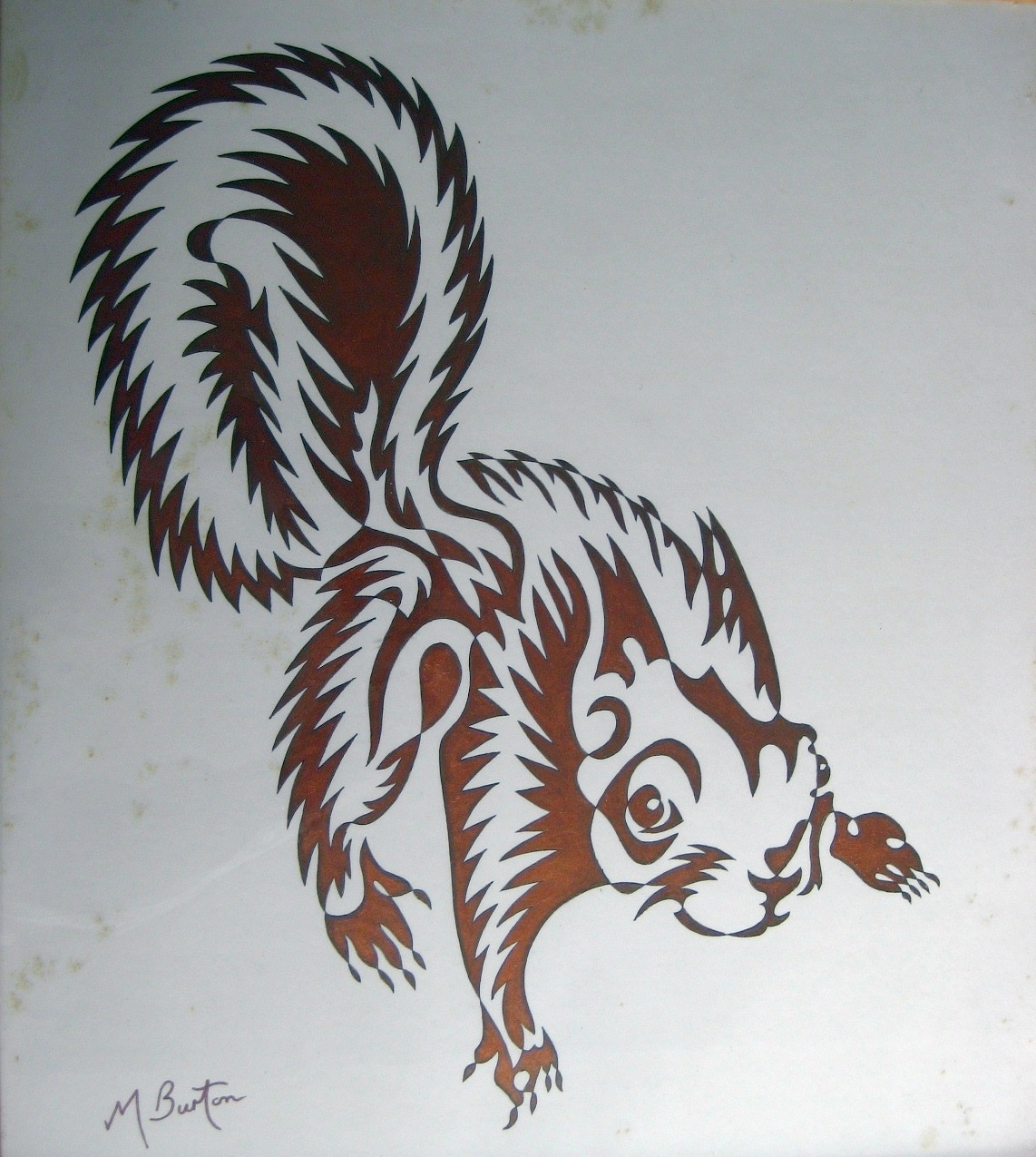
Red Squirrel, continuous line with colour sequence. Mick Burton, Leeds artist.

Red Squirrel, single continuous line drawing with colour sequence. Mick Burton, Leeds continuous line artist.

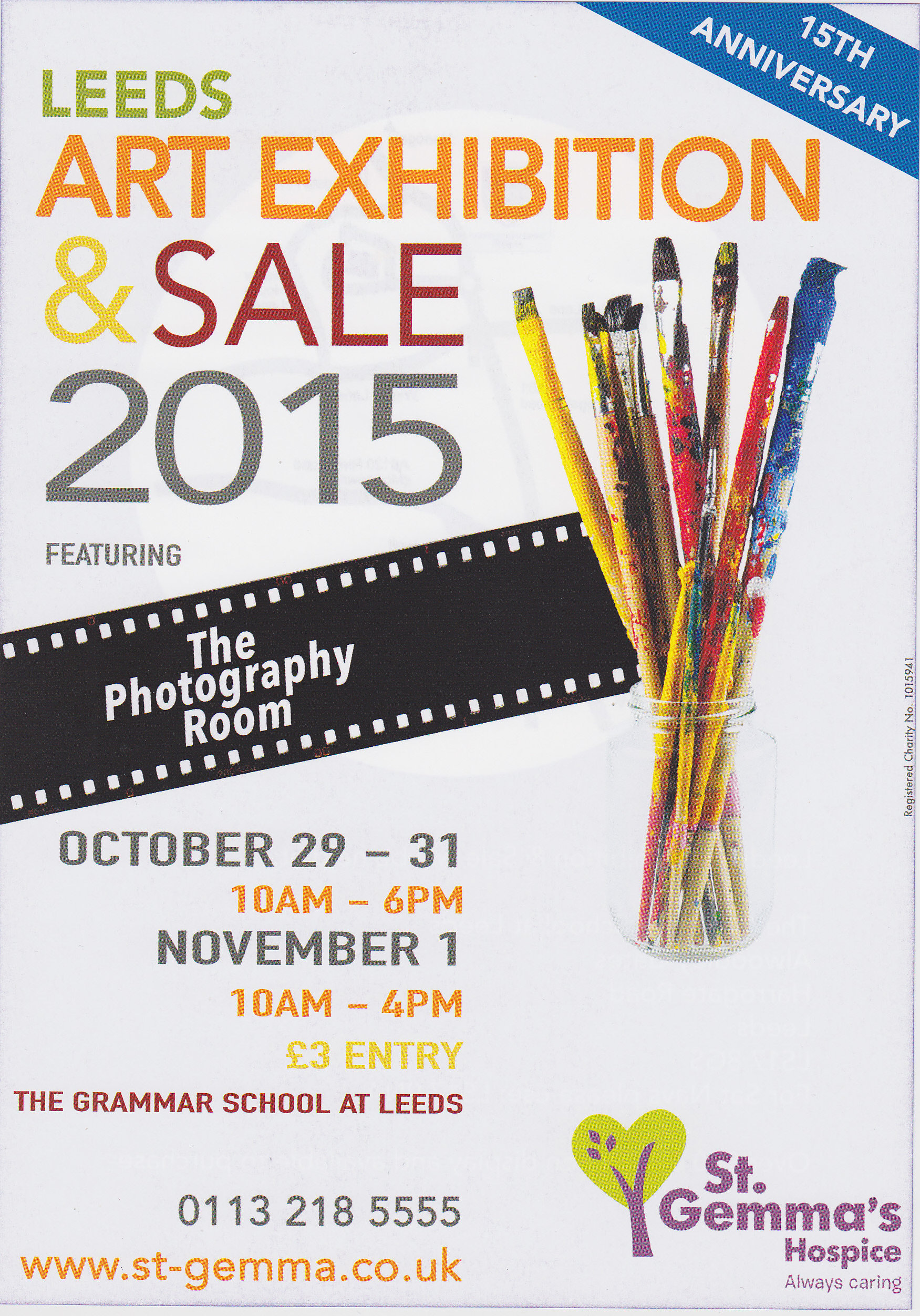
This continuous line Red Squirrel, completed with colour sequence, is one of my pictures to be hung at the Leeds Art Exhibition and Sale put on for the 15th year by St Gemma’s Hospice.

St Gemma's Leeds Art Exhibition. 29 - 31 October 2015

St Gemma’s Leeds Art Exhibition. 29 – 31 October 2015

This colour sequence squirrel is the last of a series which began with my attempt to produce a continuous line drawing with a shimmering fur effect for the squirrel.

Continuous line squirrel from 1970, with shimmering effect of fur. Mick Burton, Leeds artist.

Single continuous line drawing of squirrel from 1970, with shimmering effect of fur. Mick Burton, Leeds continuous line artist.

I have a treasured memory of seeing a Red Squirrel, when I was four, sitting on a wall next to our cottage at Arncliffe Hall, in the North Riding, where my Dad was Head Gardener to Sir Hugh Bell just after the War.  I thought that completing alternate shading with copper paint would best reflect this colour in this picture from 1970.  My daughter Kate said on the phone today that she remembered this picture being in the hall when she was young.

Red Squirrel with copper alternate shading from 1970. Mick Burton, Leeds artist.

Red Squirrel, single continuous line drawing with copper alternate shading from 1970. Mick Burton, Leeds continuous line artist.

I have many clear memories of living at Ingleby Arncliffe from the age of nearly two, to four and a half when we left.

Falling out of my pram outside the local shop and crawling up the step was the earliest. There was a three legged cat, then at Sunday School one of the stamps I collected was “The Light of the World” by William Holman Hunt (my first taste of the Pre-Raphaelites) and I won the child’s sprint on sports day on the cricket ground.

In the famous terrible winter of 1947, I remember Dad helping to dig a trench in the snow drifts down to the village.  It was amazing to walk along the trench and not be able to see out.

 I once watched a pig being killed in the yard by the cottage and the workman laughed as he squirted me with the pig’s bladder.  This memory came back years later when, as a young police constable, I attended my first post mortem (of a coal miner who had been in an underground tunnel collapse).  My sergeant stood with me and assured me that it would be just like a newly killed pig being cut up, if I had ever seen one.  I said “Yes, I saw one when I was four ! “

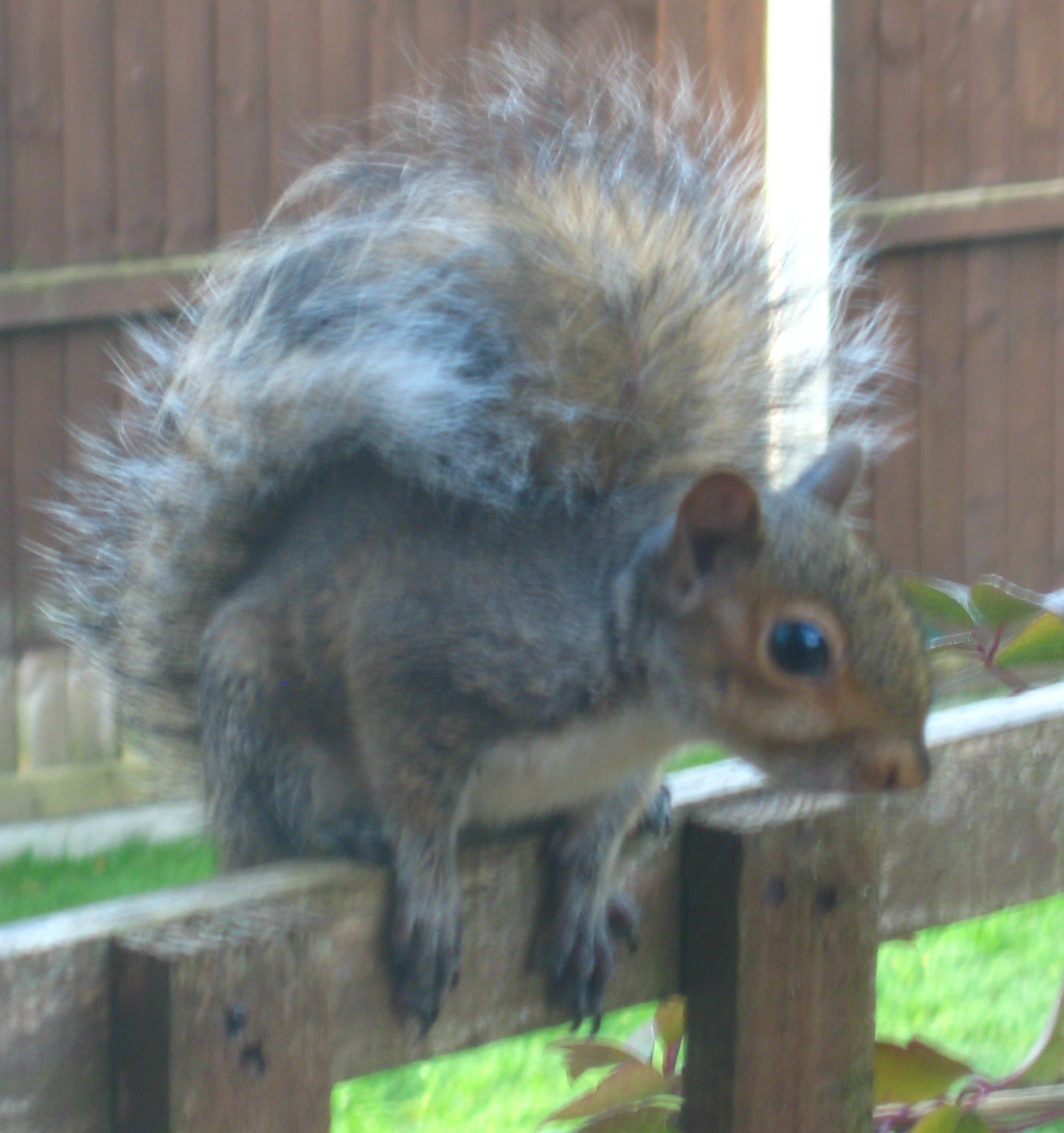
I only see grey squirrels now, mainly helping themselves to the bird seed Joan puts out.  With Gledhow Valley Woods at the end of the garden we can have five of them at a time.  Yesterday, a young squirrel was chased by a cat and ended up on the trellis a few feet from our dining room window.  Joan chased the cat away and called to me as the squirrel was too scared to move.

I took some quick photographs whist it was still there, but it became apparent that it was not going to move and was looking at me pleadingly.  So I went out and shepherded it into the bushes.  Here are some photos of a shimmering fur tail.

Young Grey Squirrel from Gledhow Valley Woods. Three feet from my window after being chased by a cat. Mick Burton, Leeds artist.

Young Grey Squirrel from Gledhow Valley Woods. Three feet from my window after being chased by a cat. Mick Burton, Leeds artist.

Young Grey Squirrel not daring to move, even though Joan had chased the cat away. Mick Burton, Leeds artist.

Young Grey Squirrel not daring to move, even though Joan had chased the cat away. Mick Burton, Leeds artist.

Young Grey Squirrel, imploring me to stop taking photos and do something about the cat. So I went out and shepherded it to the bushes. Mick Burton, Leeds artist.

Young Grey Squirrel, imploring me to stop taking photos and do something about the cat. So I went out and shepherded it to the bushes. Mick Burton, Leeds artist.

Leeds Carnival 2015 with photos by Mick Burton, continuous line artist.

Red Indian head dress costume, Leeds Carnival 2015. Photo by Mick Burton continuous line artist.

Red Indian head dress costume, Leeds Carnival 2015. Photo by Mick Burton continuous line artist.

This was the first costume in the parade, preceded by one of several mobile steel drum bands. We stood on the first bend, near Gledhow Valley, after the parade’s initial stretch from Potternewton Park.

Cockapoo with wet paws waits for the Leeds Carnival parade to approach. Photo by Mick Burton, continuous line artist.

Cockapoo with wet paws waits for the Leeds Carnival parade to approach. Photo by Mick Burton, continuous line artist.

It was a dull afternoon and drizzling. The Cockapoo loved the fuss from the crowd and waited for some action.

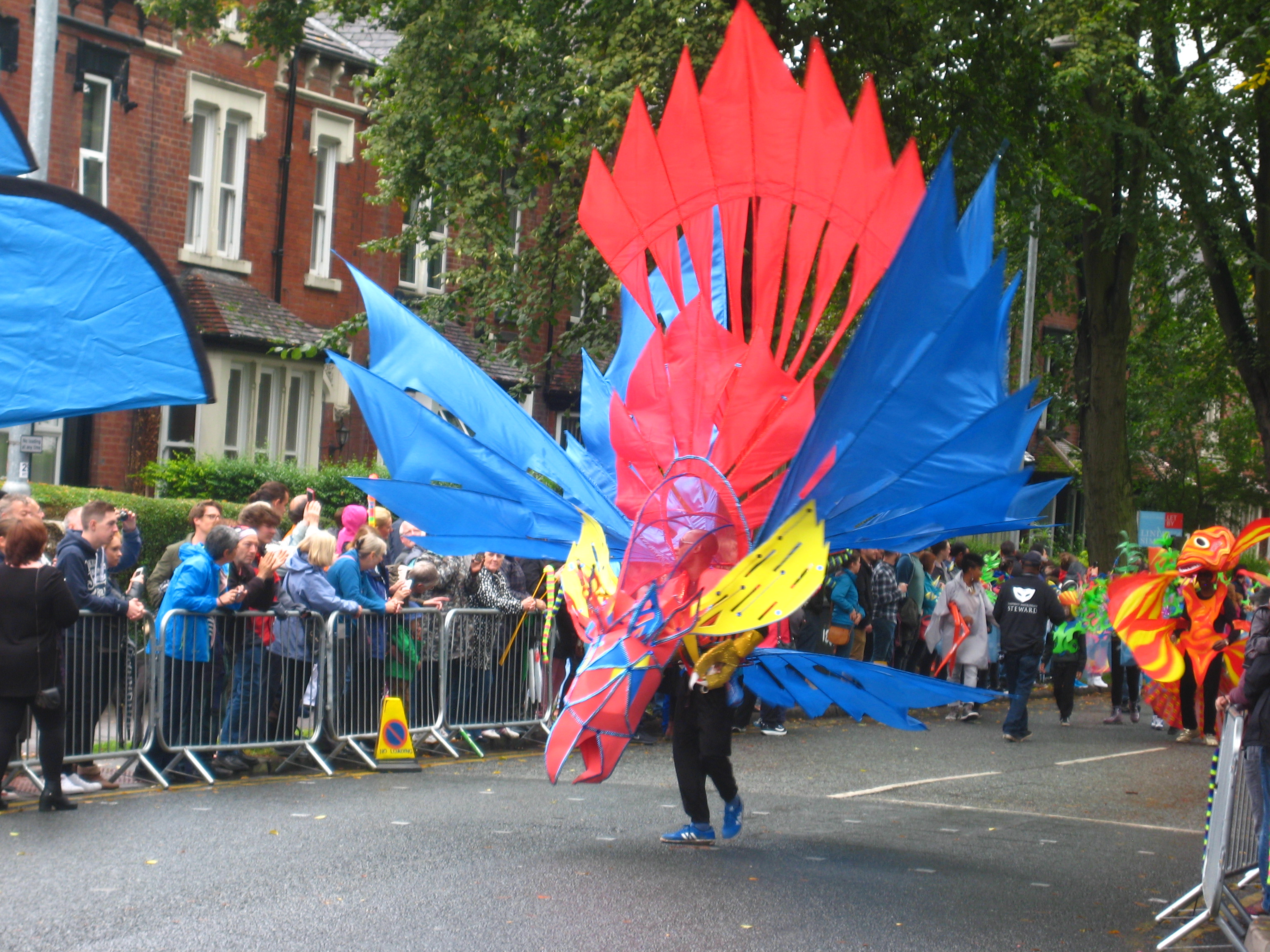
Red and blue costume in the Leeds Carnival matched the drizzle. Photo by Mick Burton, continuous line artist.

Red and blue costume in the Leeds Carnival matched the drizzle. Photo by Mick Burton, continuous line artist.

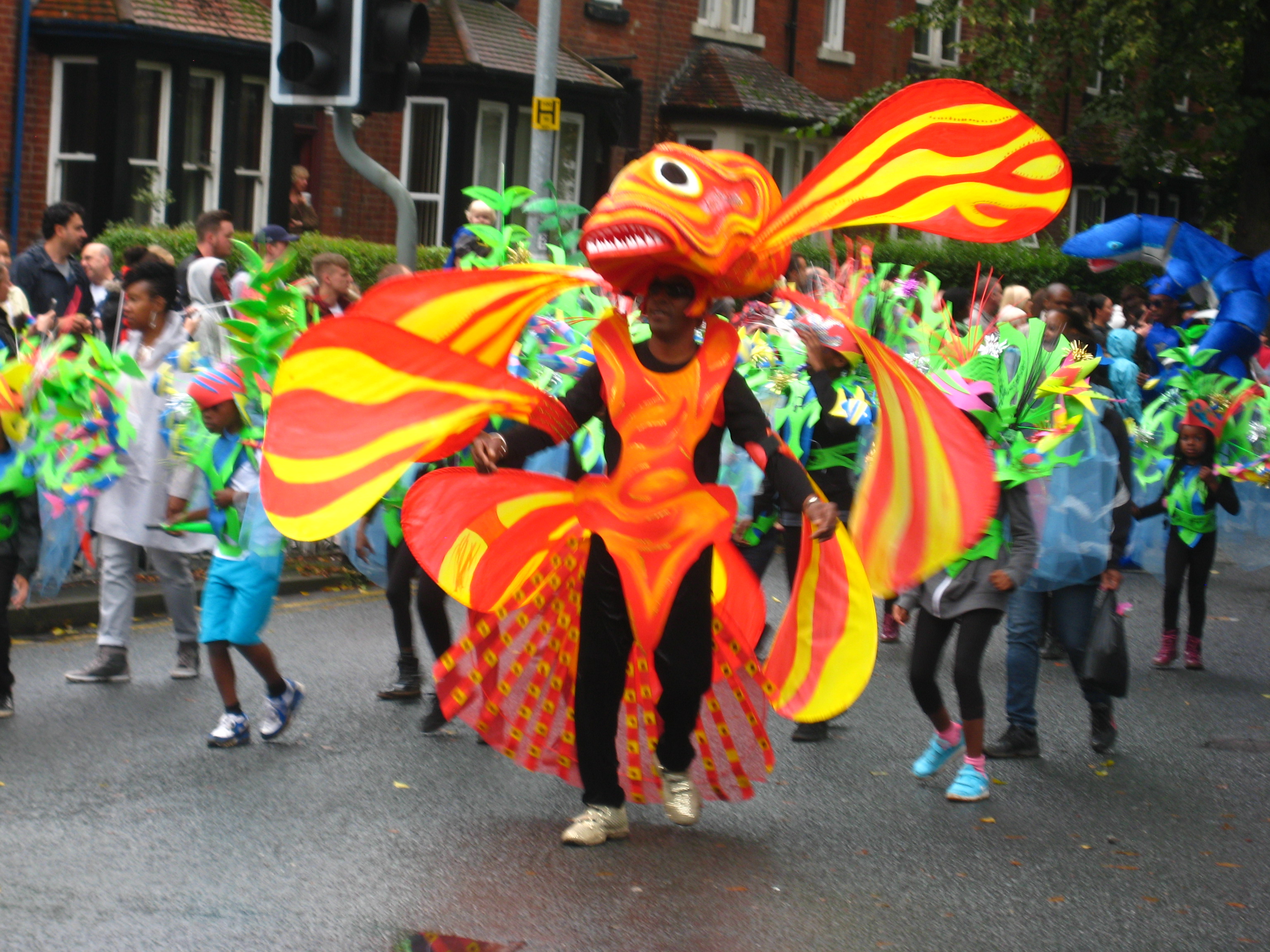
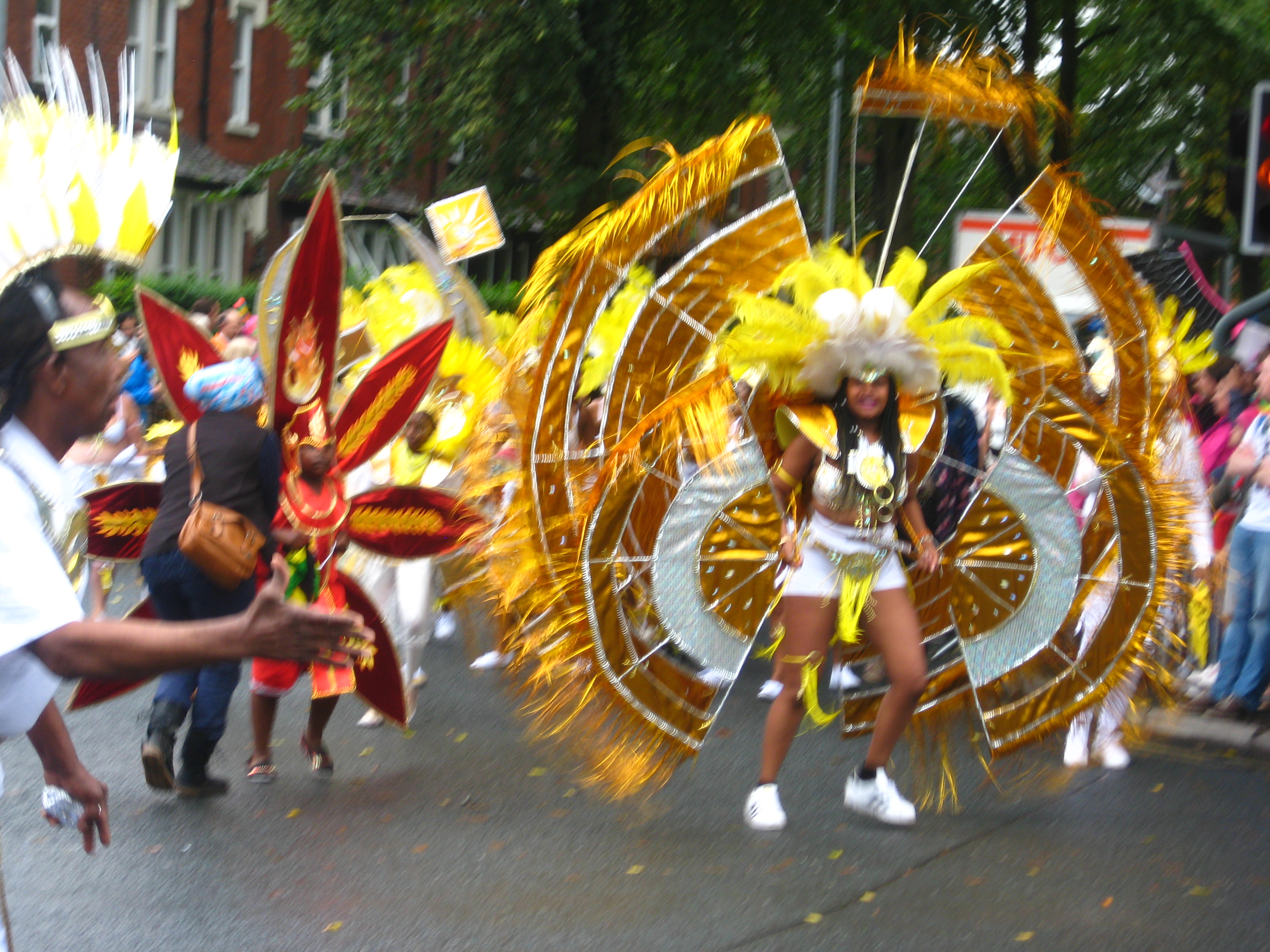
Yellow and orange costume which lit up the parade at the Leeds Carnival. Photo by Mick Burton, continuous line artist.

Yellow and orange costume which lit up the parade at the Leeds Carnival. Photo by Mick Burton, continuous line artist.

The drizzle had stopped and this costume, really lit up the parade.

Violet and yellow costume at the Leeds Carnival. Photo by Mick Burton, continuous line artist.

Violet and yellow costume at the Leeds Carnival. Photo by Mick Burton, continuous line artist.

Razzle and Dazzle at the Leeds Carnival. Photo by Mick Burton, continuous line artist.

Razzle and Dazzle at the Leeds Carnival. Photo by Mick Burton, continuous line artist.

Gold costume at the Leeds Carnival. Photo by Mick Burton, continuous line artist.

Gold costume at the Leeds Carnival. Photo by Mick Burton, continuous line artist.

Lion King at the Leeds Carnival. Photo by Mick Burton, continuous line artist.

Lion King at the Leeds Carnival. Photo by Mick Burton, continuous line artist.

Catherine wheel costume at Leeds Carnival. Photo Mick Burton, continuous line artist.

Catherine wheel costume at Leeds Carnival. Photo Mick Burton, continuous line artist.

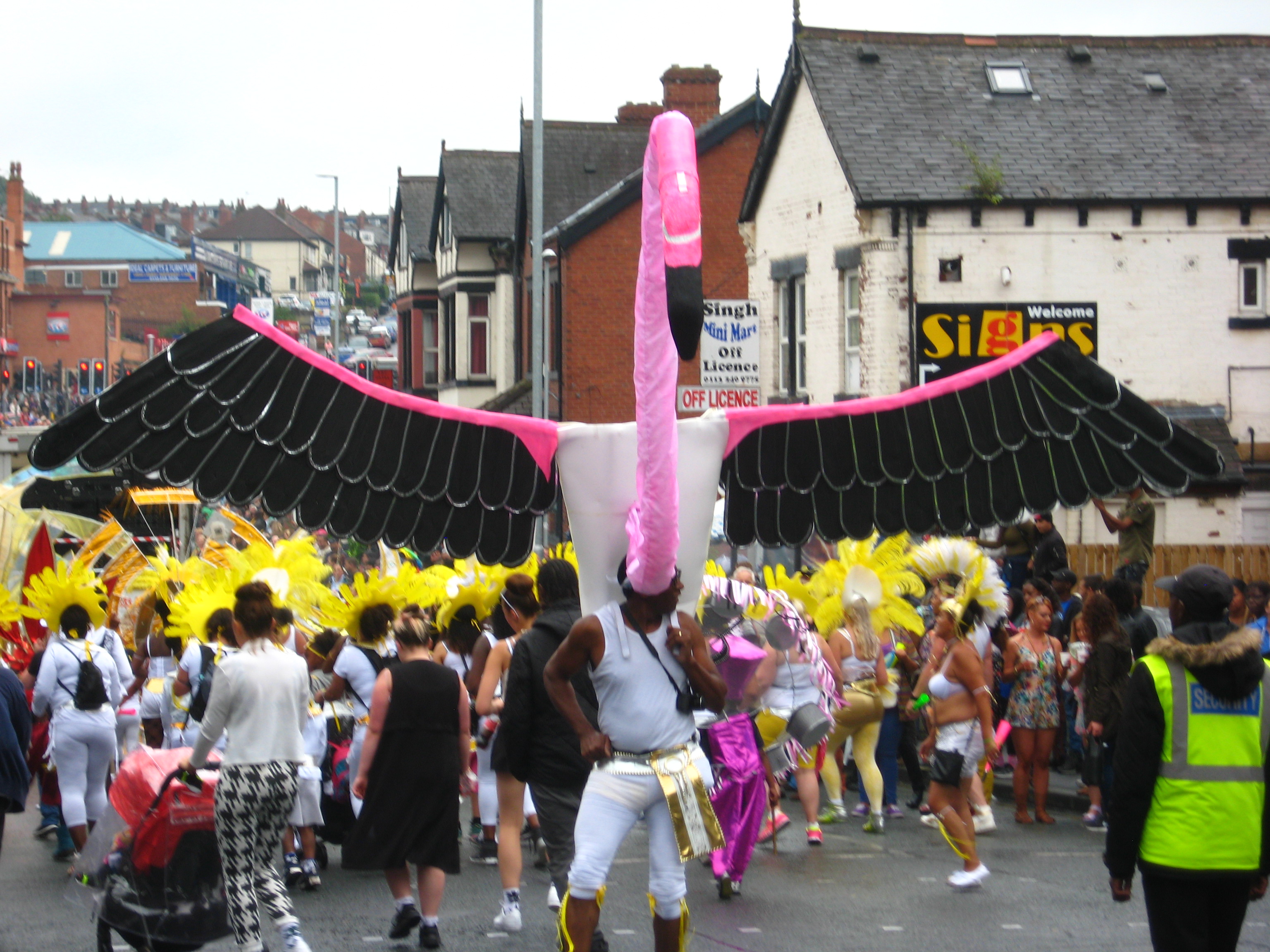
Flamingo costume at Leeds Carnival. Photo by Mick Burton, continuous line artist.

Flamingo costume at Leeds Carnival. Photo by Mick Burton, continuous line artist.

Bolivian costumes, back view, at the Leeds Carnival. Photo Mick Burton, continuous line artist.

Bolivian costumes, back view, at the Leeds Carnival. Photo Mick Burton, continuous line artist.

Jamaican costume at Leeds Carnival. Photo Mick Burton, continuous line artist.

Jamaican costume at Leeds Carnival. Photo Mick Burton, continuous line artist.

Blue and Green costume at Leeds Carnival. Photo Mick Burton, continuous line artist.

Blue and Green costume at Leeds Carnival. Photo Mick Burton, continuous line artist.

Pink costume at Leeds Carnival. Photo Mick Burton, continuous line artist.

Pink costume at Leeds Carnival. Photo Mick Burton, continuous line artist.

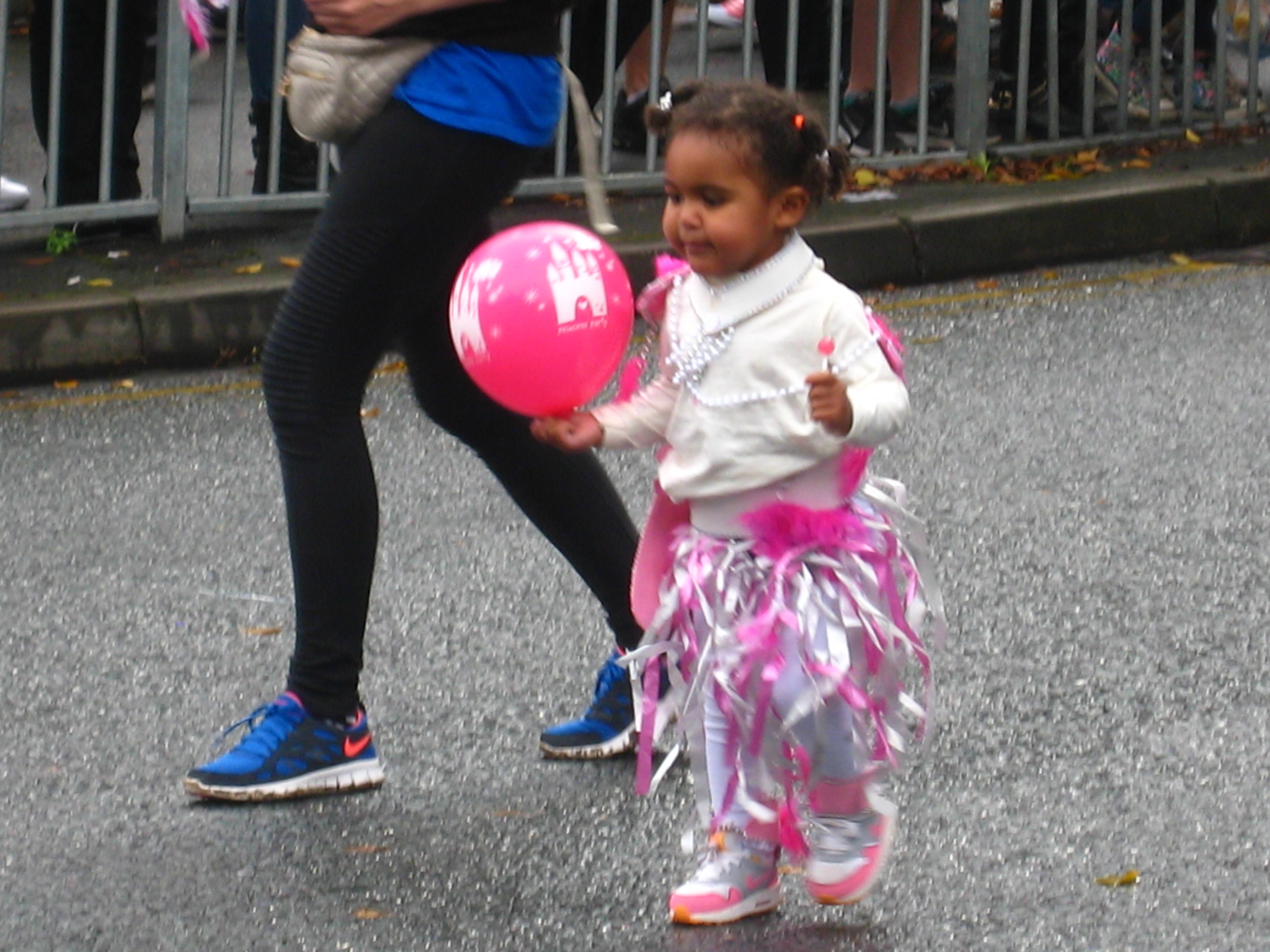
Child with balloon in Leeds Carnival parade. Photo Mick Burton, continuous line artist.

Child with balloon in Leeds Carnival parade. Photo Mick Burton, continuous line artist.

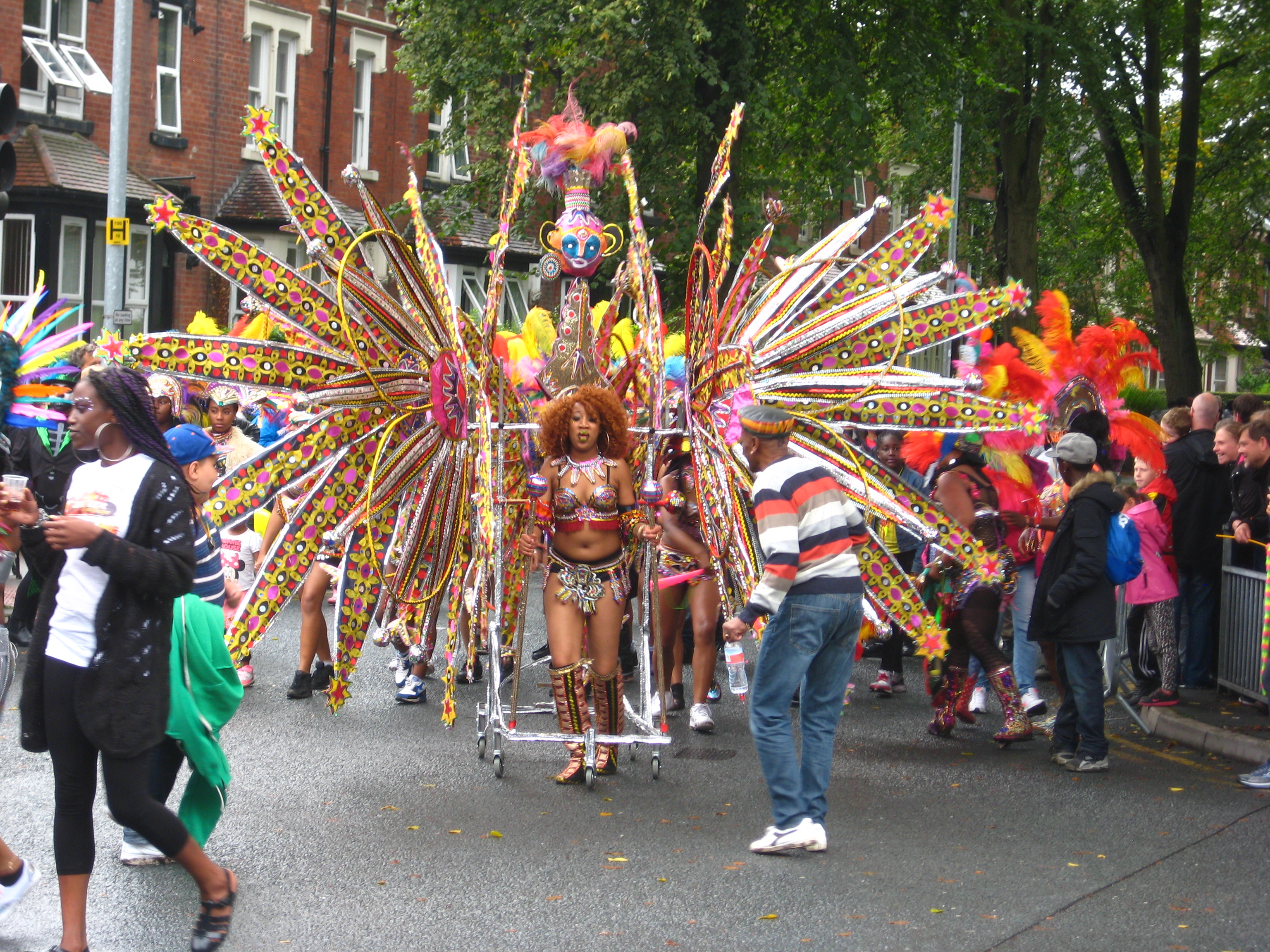
Multi petal costume at Leeds Carnival parade. Photo Mick Burton, continuous line artist.

Multi petal costume at Leeds Carnival parade. Photo Mick Burton, continuous line artist.

So there we are. Another very entertaining Leeds Carnival parade. The colours lit up a dull afternoon until the sun came out.


Herons on Gledhow Valley Lake

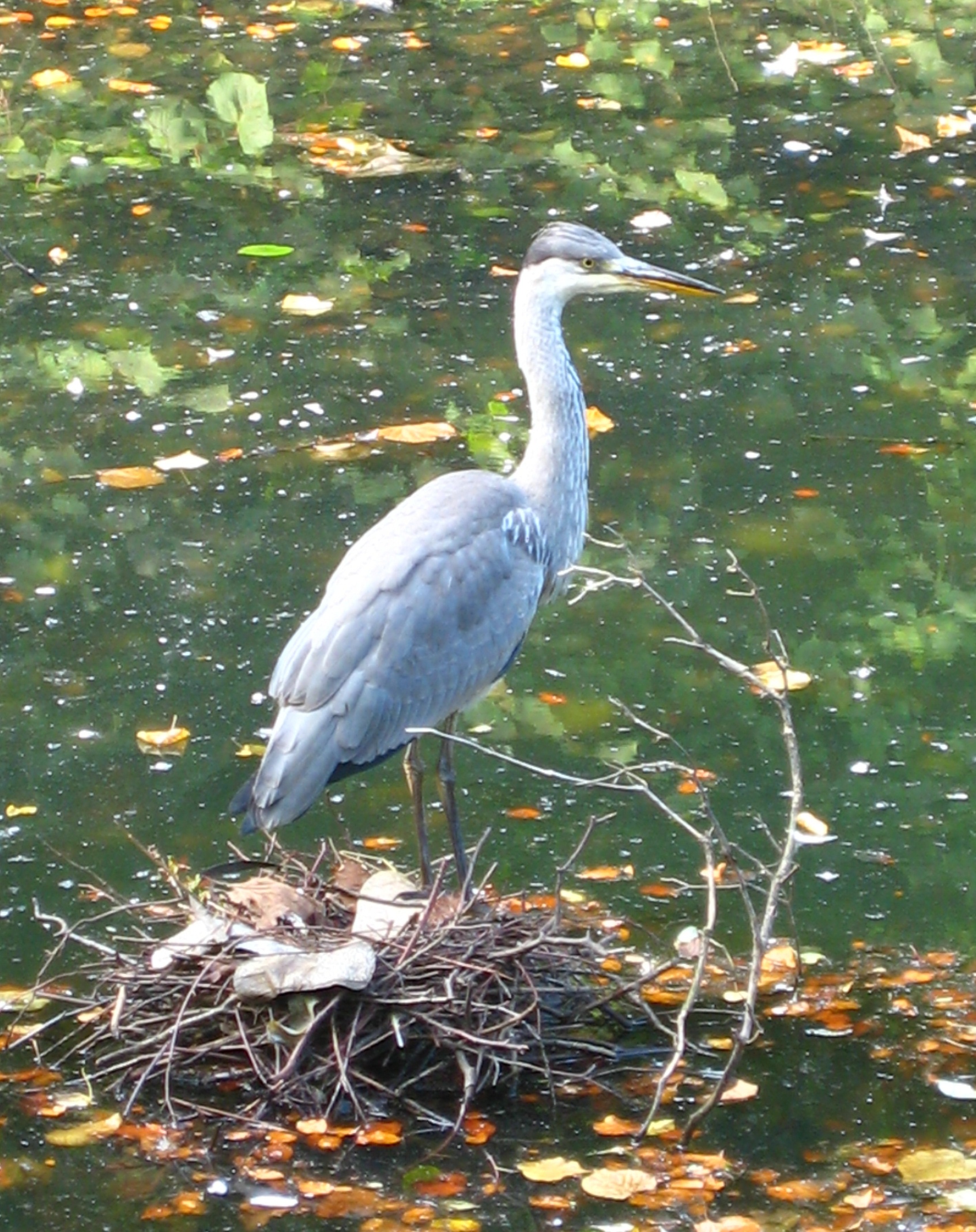
Young heron on Gledhow Valley Lake, Leeds, September 2014. Photo Mick Burton, continuous line artist.

Young heron on Gledhow Valley Lake, Leeds, September 2014. Photo Mick Burton, continuous line artist.

I am an artist who draws and paints quite a lot of animals and birds and it is great to live in a wooded valley which has a stream and a large lake and plenty of wildlife.

Our house is at the East end of the woods, which stretch for about  a mile.  There is a road running the length of the valley, which goes near to the edge of the lake.  Gledhow Beck feeds the lake from  the west  and a road from Chapel Allerton crosses the valley and stream and then winds up a steep south facing slope known locally as “Little Switzerland”.

I have lived in Gledhow Valley, at two different addresses, for nearly 40 years.

There have been swans on the lake for many years and of course ducks , moorhens and coots.  In recent years we have seen a heron, mainly on the other side well away from the main viewing stage.

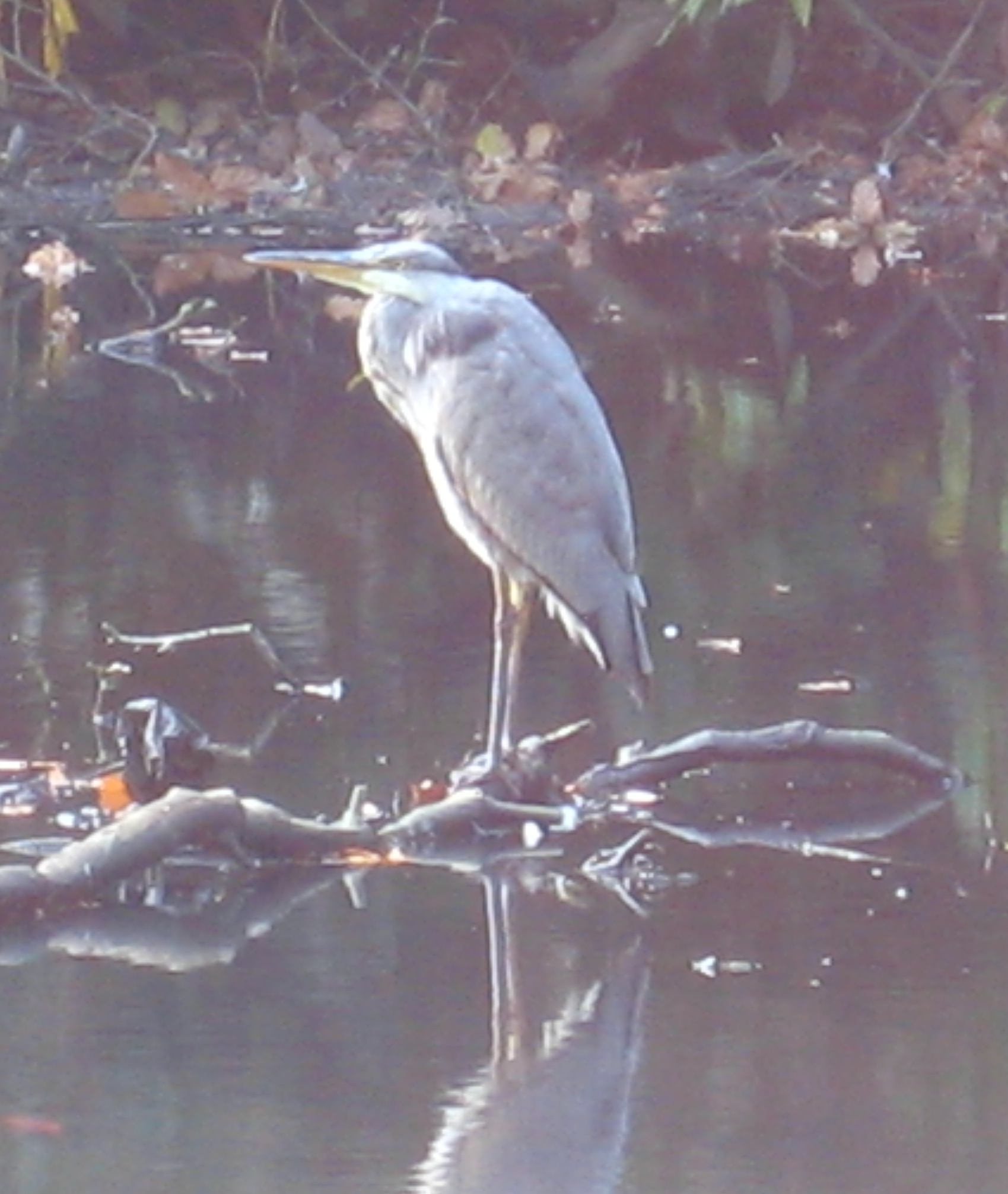
Older Heron, Gledhow Valley Woods, Leeds, September 2014.  Photo by Mick Burton, continuous line artist.

Older Heron, Gledhow Valley Woods, Leeds, September 2014. Photo by Mick Burton, continuous line artist.

In the last couple of months there have been two herons and I took the attached photos a month ago.  The older heron (see left) was still quite a distance away but the young one (see above) was more accommodating and I took quite a lot of photos from the dam on the East end of the lake.  My bird watcher friend Bernard says that the young heron will be about a year old.  It seemed to be catching small fish in its beak.

About a week previously Joan had spotted a Heron sitting up in a tree in the next garden to ours.  I was too slow to get the camera before the bird flew off, but it seemed to be looking down into the beck which runs past a neighbour’s garden.  This would probably have been the young heron.

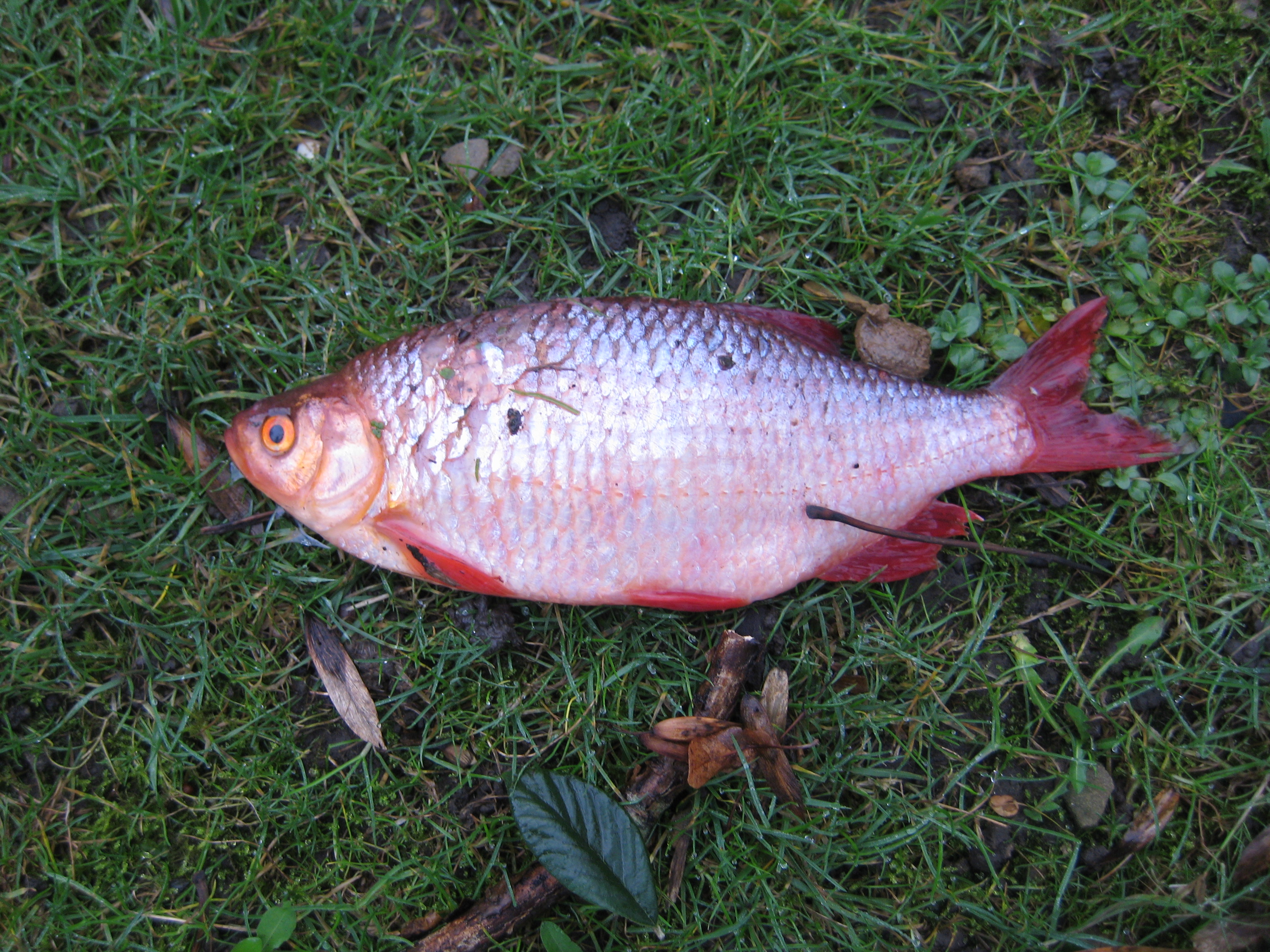
I then remembered an incident  earlier in the year, in January, when Joan found a fish on the back lawn.  It was 9″ long and I photographed it (see below).  We could not understand how it got there and our friend Jerry, who is a keen fisherman, said that it was either a Rudd or a Perch and it looked slightly damaged on its side.  Possibly a heron was passing by with the fish and dropped it !

Rudd or Perch fish, 9

Rudd or Perch fish, 9″ long, found on lawn. Maybe dropped by heron. Photo by Mick Burton, continuous line artist.

The photo shows a largish animal dropping above the tail, which could be from a Fox (we see one most days in the garden – even two at once last week) maybe claiming title to the fish.  We left the fish there and it disappeared.

Our enjoyment of the valley is greatly helped by the Friends of Gledhow Valley Woods who once a month organise volunteers (including Joan, and occasionally me) to collect litter and do all sorts of development work and repairs on paths, seats, signs, etc.  They hold an Annual Fair and an Open Day of the Well House, or Gipton Spar Bath House, which was built in 1671.